

Best Robot Pets for Anxiety
Your Ultimate Guide to the Best Robot Pets for Anxiety
Managing anxiety is rarely about one solution. It is usually a combination of habits, environment, and tools that help reduce stress in small but consistent ways. Robot pets have become one of those tools, especially for people who want companionship without the unpredictability or responsibility of a real animal.
Unlike traditional therapy options, robot pets provide immediate, low-effort interaction. They respond to touch, movement, and sound, creating a sense of presence that can help regulate emotions. For people dealing with anxiety, that kind of consistent and predictable feedback can make a noticeable difference.
The challenge is that not all robot pets are built the same. Some focus on realism, others on interactivity, and many fall short when it comes to long-term engagement. Choosing the right one depends on how it fits into your specific experience of anxiety.
- 5 products compared on the same points
Our top picks
Editor’s choice
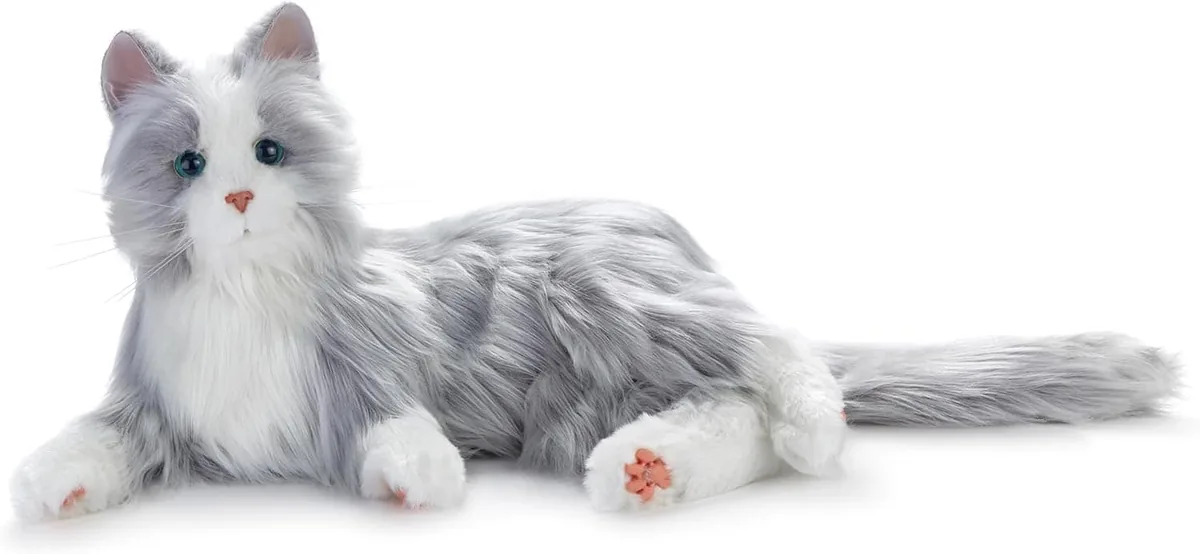
Best Overall
Joy For All Companion Cat
A calm, touch-responsive companion that delivers consistent purring and soothing interaction, making it the most reliable option for anxiety relief.
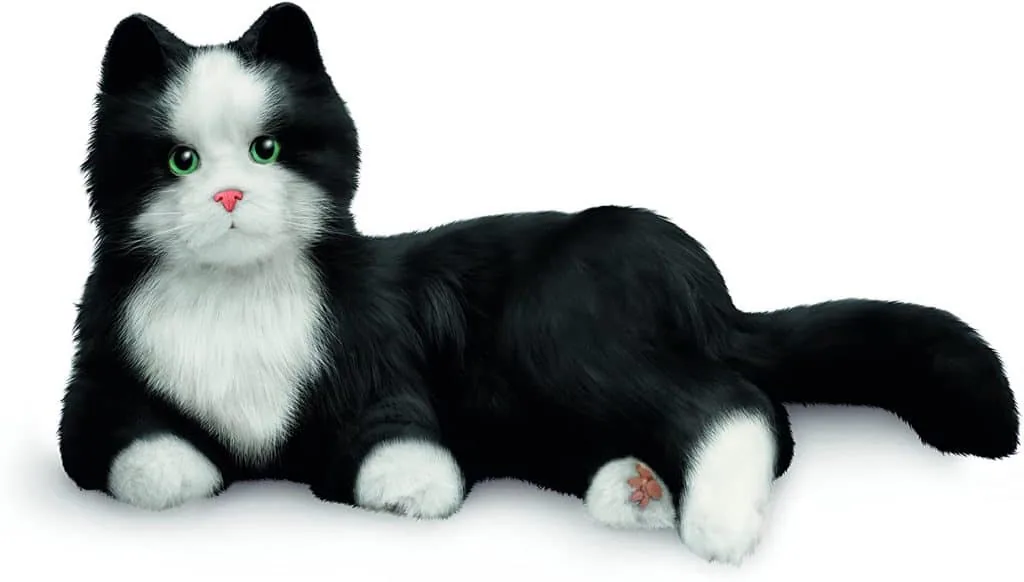
Best for Realistic Companionship
Joy For All Black & White Tuxedo Cat
Offers slightly more dynamic interaction with gentle movements and responses, ideal if you want a more lifelike sense of presence.
$159.99
See the alternative Opens in a new tab
No longer on Amazon. Our alternative: JOY FOR ALL Silver Cat Interactive Robotic Companion Pet
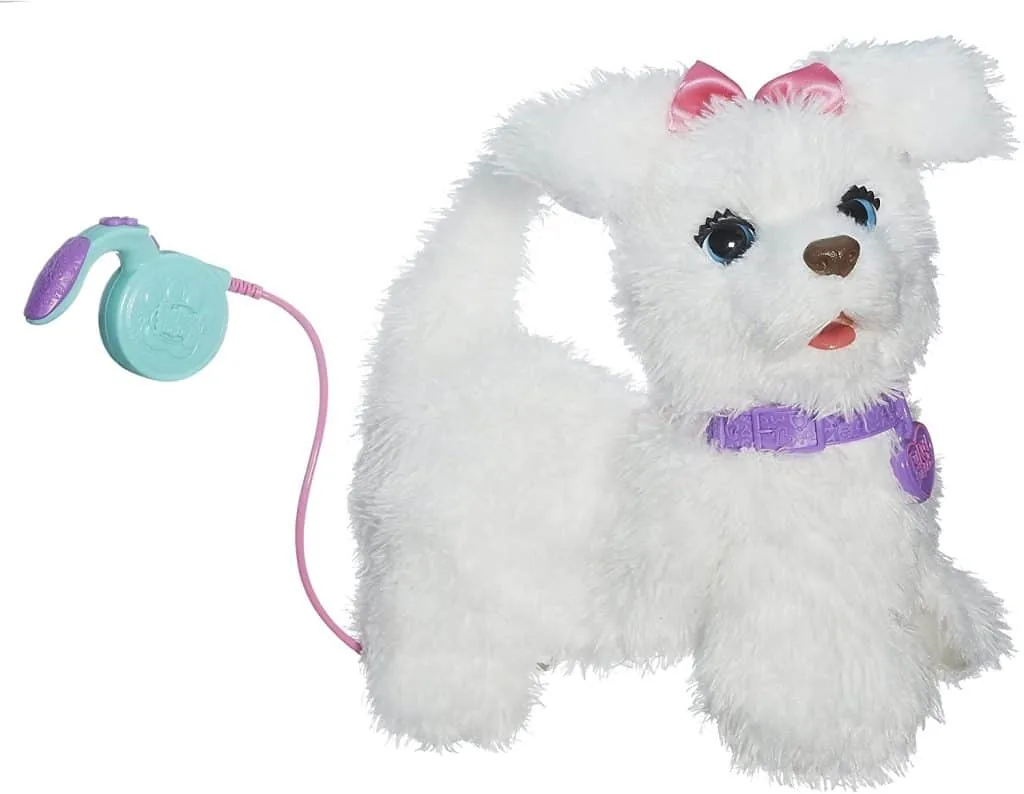
Best for Active Distraction
FurReal Friends GoGo My Walkin’ Pup
A more playful, movement-based robot pet that helps redirect anxious energy through interactive walking and engagement.
Compared at a glance
| Photo | Model | Best for | Highlights | Buy |
|---|---|---|---|---|
| Joy For All Companion Cat | Best Overall | — |
Check price
$159.99 |
|
| Joy For All Black & White Tuxedo Cat | Best for Realistic Companionship | Authentic purr |
See alternative
No longer on Amazon. Our alternative: JOY FOR ALL Silver Cat Interactive Robotic Companion Pet $159.99 |
|
| FurReal Friends GoGo My Walkin’ Pup | Best for Active Distraction | Leash controller |
Check price
$198.89 |
|
| Little Live Pets Lil’ Turtle | — | Swims in water like a real pet |
See alternative
No longer on Amazon. Our alternative: Little Live Pets - Lil' Turtle: Rip Swirl $39.89 |
|
| ZURU Robo Alive Robo Turtle | — | Affordable |
Check price
$18.00 |
Every pick reviewed
#1 Best Overall
Joy For All Companion Cat
This is one of the most widely used therapy robot pets, especially in healthcare settings. The Companion Cat is designed to mimic the behavior of a real cat through responsive purring, head movement, and touch sensors.
The strength of this model lies in its simplicity. It doesn’t try to do too much, which actually works in its favor for anxiety. The responses are consistent and predictable, making it easy to form a calming routine around them. The purring feature in particular provides a steady sensory input that many users find relaxing.
Where it stands out is long-term usability. Unlike more complex robot pets, it doesn’t overwhelm the user with too many features. This makes it suitable for people who want a low-maintenance, reliable source of comfort.
$159.99
Check price on Amazon Opens in a new tab · we may earn a commission
#2 Best for Realistic Companionship
Joy For All Black & White Tuxedo Cat
The JOY FOR ALL Black & White Tuxedo Cat is a lifelike interactive robotic pet designed to provide comfort, relaxation, and companionship, especially for seniors living alone. With its soft, realistic fur, expressive eyes, and adorable tuxedo markings, this robotic cat recreates the soothing presence of a real feline without the responsibilities of pet ownership.
Equipped with built-in sensors, the cat responds to touch and movement with gentle purring, realistic meowing, and lifelike head and body movements. These interactive features create an engaging experience that may help reduce feelings of loneliness and encourage comforting interactions.
While it doesn't walk or offer advanced conversational features, the JOY FOR ALL Tuxedo Cat is an excellent choice for older adults who want a calming, low-maintenance companion. Its realistic appearance and responsive behavior make it particularly appealing to seniors who love cats but can no longer care for a real pet.
What we like
- Authentic purr
- Ultra-realistic look
- Advanced features and movements
What we don’t
- Pricey
#3 Best for Active Distraction
FurReal Friends GoGo My Walkin’ Pup
This robot dog introduces more movement and activity compared to therapy-focused models. It can walk, respond to commands, and simulate playful behavior.
For anxiety, this type of interaction can be helpful for distraction and engagement. It shifts focus away from anxious thoughts by encouraging active participation. However, it may not be ideal for users who prefer quiet, low-stimulation environments.
This model works best for individuals who benefit from interactive distraction rather than passive comfort.
What we like
- Leash controller
- Free application
- Adorable plush design
- Very Interactive
What we don’t
- Can only walk in a straight line
- White fur can easily get dirty
$198.89
Check price on Amazon Opens in a new tab · we may earn a commission
#4
Little Live Pets Lil’ Turtle
This is a smaller, simpler robot turtle that focuses on gentle movement and portability. It doesn’t aim for realism but instead provides a light, low-pressure interaction.
For anxiety, this simplicity can be an advantage. The Little Live Pets Lil’ Turtle is easy to use, non-intimidating, and suitable for quick moments of stress relief. It works particularly well for children or adults who prefer minimal interaction without complex features.
What we like
- Swims in water like a real pet
- Has cute tricks
- Great for younger kids
- Ample battery life
What we don’t
- No remote control
- No voice control
#5
ZURU Robo Alive Robo Turtle
This is a completely different type of robot pet, and that’s exactly why it works so well for anxiety in the right situations. Instead of focusing on touch interaction or emotional mimicry, it delivers calm through visual movement and low sensory demand.
The turtle glides slowly and predictably through water, which creates a steady, almost meditative visual loop. That kind of movement can be surprisingly effective for anxiety, especially if your stress shows up as racing thoughts or mental overload. Watching repetitive, gentle motion gives your brain something simple to focus on without requiring effort.
Another advantage is how non-intrusive it is. There’s no sound, no sudden movement, and no expectation to interact. You can place it in a bowl or small tank and let it run in the background. That makes it ideal for people who don’t want constant stimulation but still benefit from a calming presence in their environment.
What we like
- Affordable
- Comes in pairs
- Swims in 5 difference directions
- Crawls on land
- Comes in 4 different colors
What we don’t
- Can be a choking hazard for young kids
- Lacks advanced features
$18.00
Check price on Amazon Opens in a new tab · we may earn a commission
So, which one should you buy?
Frequently Asked Questions
Are Robot Pets Worth It for Anxiety Relief?
Robot pets are not a replacement for therapy or medical treatment, but they can be a useful tool. Their value comes from consistency, accessibility, and ease of use.
For many users, the benefit is subtle but meaningful. Regular interaction can create moments of calm throughout the day. Over time, these moments add up and contribute to better emotional regulation.
The key is setting realistic expectations. Robot pets are not a cure for anxiety. They’re a support tool that works best when combined with other strategies such as mindfulness, exercise, or professional care.