

Best Robot Pets for Autism
Your Ultimate Guide to the Best Robot Pets for Autism
Robot pets have moved far beyond novelty toys. For individuals with autism, they can serve as calming tools, emotional companions, and structured interaction devices. The key difference is predictability. Unlike real animals or unpredictable environments, robot pets behave in consistent, repeatable ways. That consistency is what makes them valuable.
This guide focuses on the best robot pets for autism, but more importantly, it explains why they work, who they’re best for, and how to choose one that actually supports sensory and emotional needs.
- 5 products compared on the same points
Our top picks
Editor’s choice
Best Overall
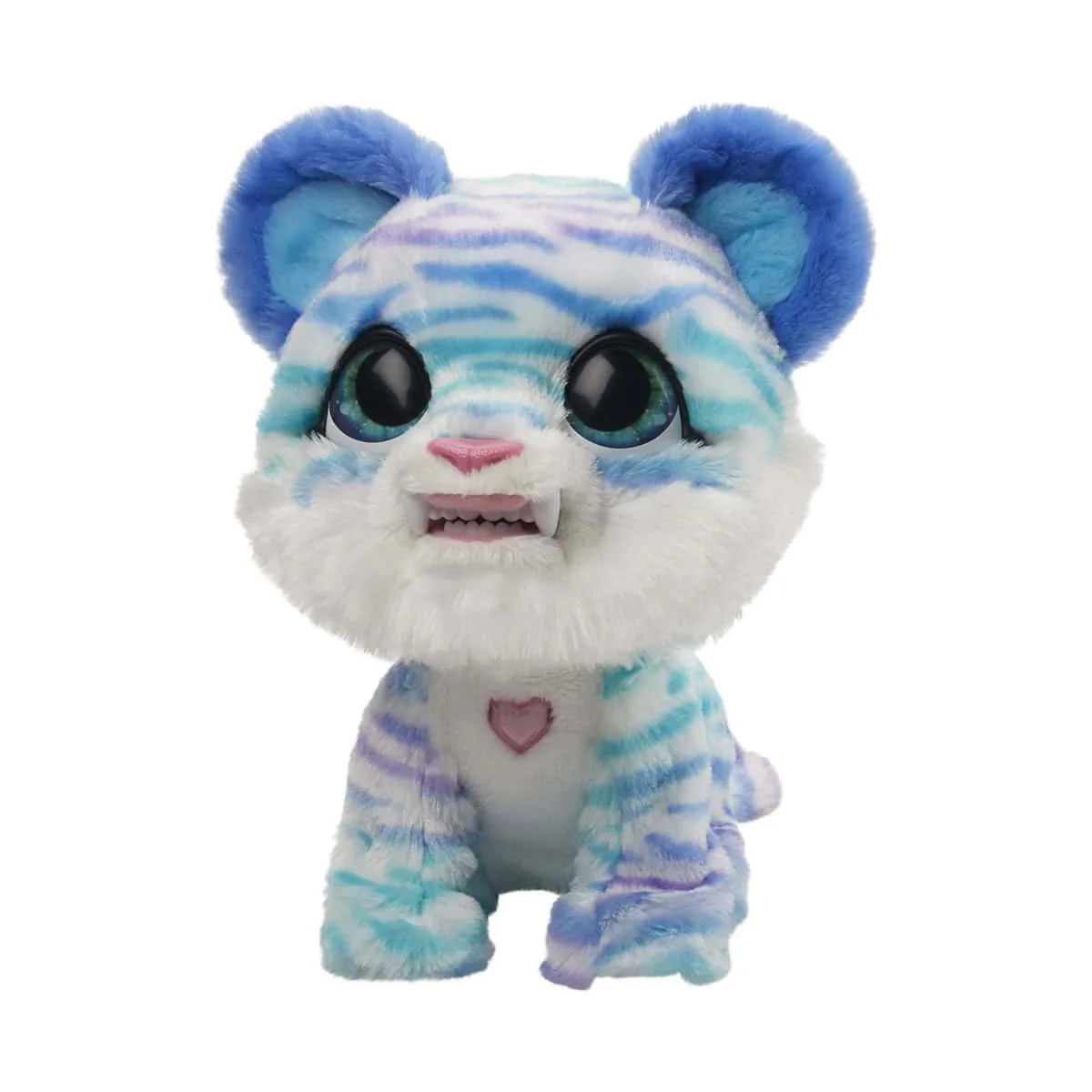
FurReal Friends North the Sabertooth Kitty
A balanced interactive pet with predictable responses and tactile comfort, ideal for both engagement and structured sensory interaction.
Best for Calming + Comfort
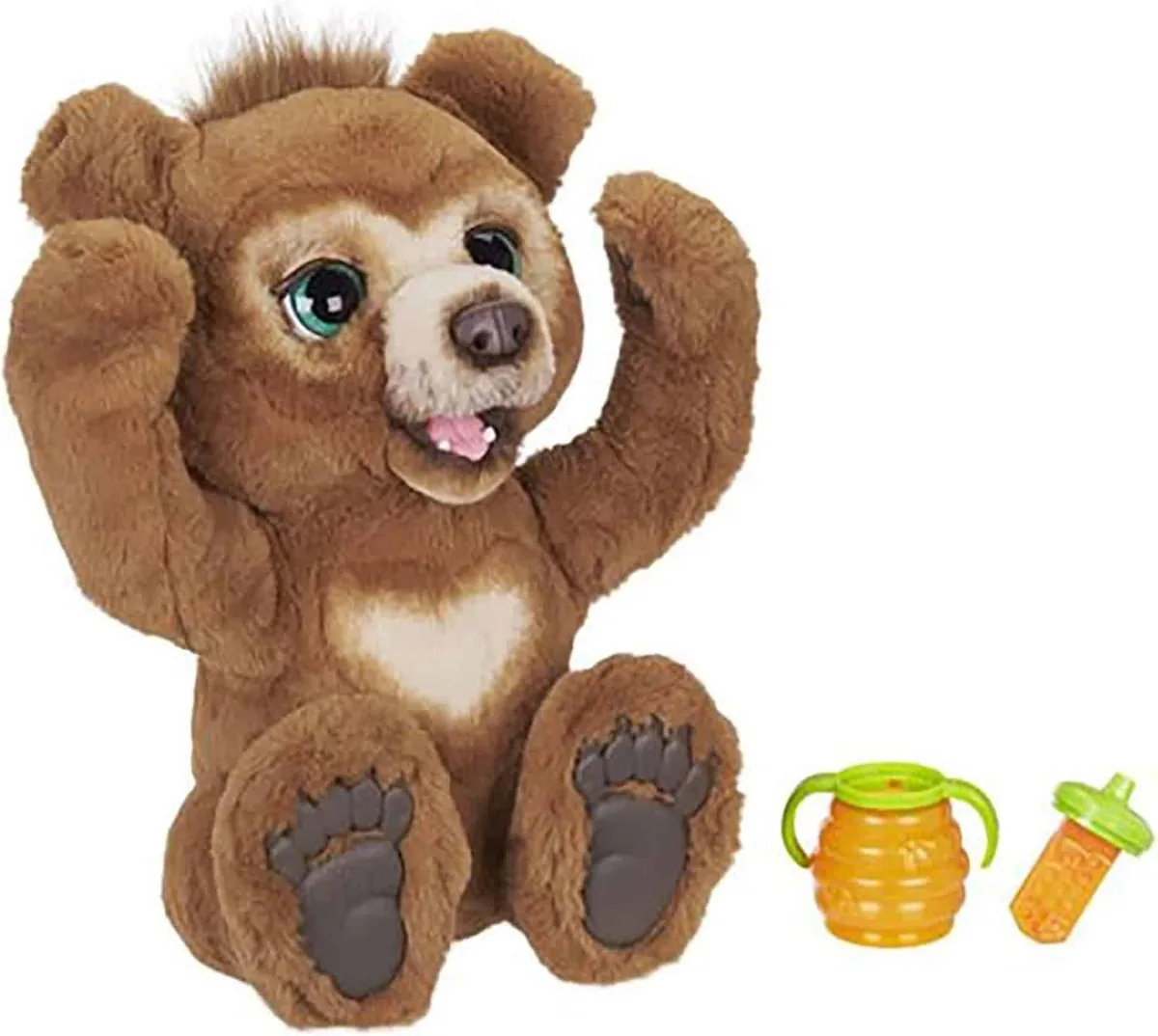
FurReal Friends Cubby the Curious Bear
A soft, dual-mode companion that shifts from playful interaction to soothing sounds, making it ideal for emotional regulation.
$29.72
See the alternative Opens in a new tab
No longer on Amazon. Our alternative: FurReal Coco the Tumbling Panda Interactive Panda Toy
Best for High Engagement
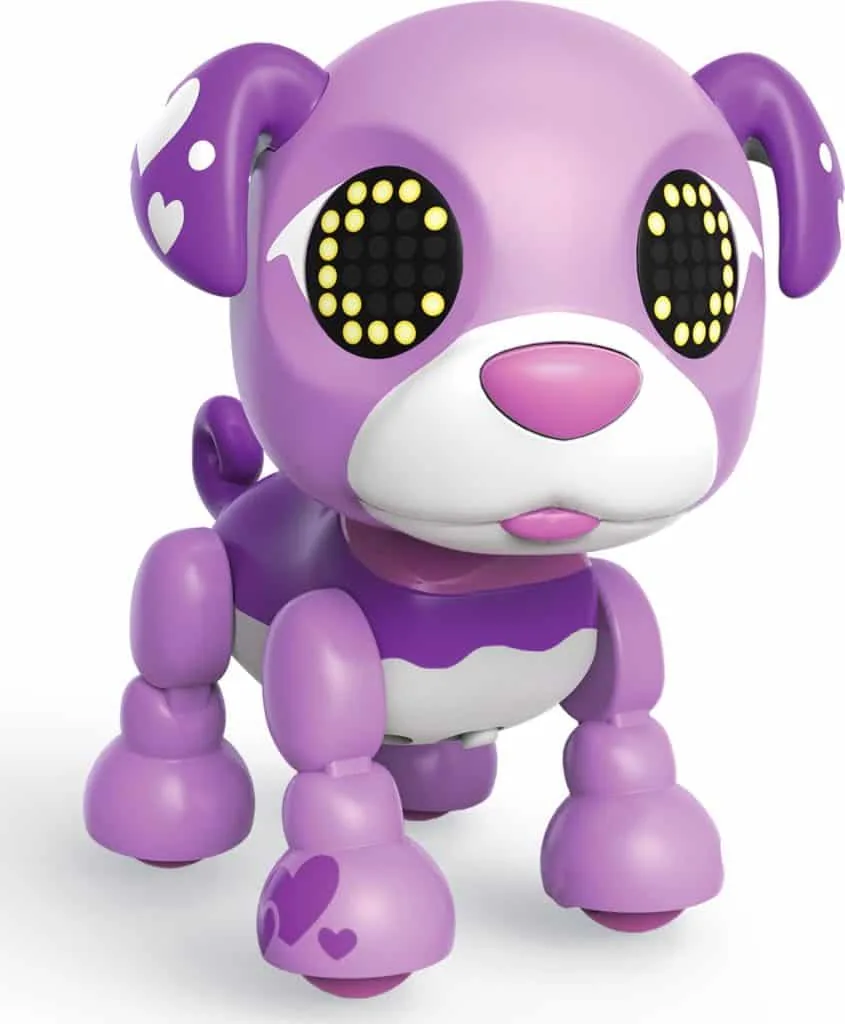
Zoomer Zupps Tiny Pups Robot Puppy
A highly interactive robot pet that responds to voice and movement, best suited for users who benefit from active stimulation and play.
$82.00
See the alternative Opens in a new tab
No longer on Amazon. Our alternative: Zoomer Zuppies Prima the Ballet Poodle Pup
Compared at a glance
| Photo | Model | Best for | Highlights | Buy |
|---|---|---|---|---|
| FurReal Friends North the Sabertooth Kitty | Best Overall | Soft fur supports tactile comfort |
Check price
$45.97 |
|
| FurReal Friends Cubby the Curious Bear | Best for Calming + Comfort | Dual modes support both engagement and calming |
See alternative
No longer on Amazon. Our alternative: FurReal Coco the Tumbling Panda Interactive Panda Toy $29.72 |
|
| Zoomer Zupps Tiny Pups Robot Puppy | Best for High Engagement | Fun and interactive |
See alternative
No longer on Amazon. Our alternative: Zoomer Zuppies Prima the Ballet Poodle Pup $82.00 |
|
| Beeswan Interactive Walking Robot Puppy | — | Simple, predictable interaction |
See alternative
No longer on Amazon. Our alternative: eJog Pup Electronic Interactive Plush Dog Toy
$39.99
List price |
|
| Petit Qoobo Calming Robotic Pet | — | Extremely calming with minimal stimulation |
Check price
$110.00 |
Every pick reviewed
#1 Best Overall
FurReal Friends North the Sabertooth Kitty
North the Sabertooth Kitty offers a balance between sensory comfort and interactive engagement, making it a practical alternative to clinical therapy robots. Unlike more advanced medical-grade devices, it’s designed for home use while still delivering meaningful responsiveness.
The fur texture is soft and inviting, which supports tactile stimulation without feeling artificial. When touched, it responds with over 35 sound and motion combinations, including gentle head movements and calming vocalizations. These interactions are consistent enough to feel predictable, but varied enough to maintain interest over time.
What makes this model particularly useful for autism support is its controlled interactivity. The responses aren’t sudden or overwhelming, which helps reduce the risk of sensory overload. At the same time, it encourages engagement through cause-and-effect interaction, which can be beneficial for developing focus and emotional connection.
It works well for users who need more stimulation than passive companion pets but still require a safe, structured interaction environment.
What we like
- Soft fur supports tactile comfort
- Predictable, controlled responses
- Interactive without being overwhelming
- Good balance of stimulation and engagement
What we don’t
- May still be too stimulating for sensitive users
- Not as calming as therapy-style pets
- Requires batteries
- Interaction can feel repetitive over time
$45.97
Check price on Amazon Opens in a new tab · we may earn a commission
#2 Best for Calming + Comfort
FurReal Friends Cubby the Curious Bear
Cubby the Curious Bear stands out because it offers both stimulation and calming interaction in one device. During the day, it behaves like a playful companion, reacting to touch with movements, sounds, and simple “games” like peek-a-boo. At night, it shifts into a quieter mode with soft sounds and gentle music designed to calm the user.
This dual-mode design makes it particularly useful for autism support because it adapts to different emotional states. When engagement is needed, Cubby encourages interaction through predictable responses. When calming is the goal, the night mode provides a more controlled sensory environment. That flexibility is something many robot pets lack.
The tactile experience is also a major strength. The plush exterior provides consistent sensory input, which can be grounding for individuals who rely on touch-based regulation. At the same time, its responses remain structured rather than chaotic, which reduces the risk of overstimulation.
Where it becomes less effective is in long-term engagement. The interaction patterns, while varied at first, can feel repetitive over time. For users who need constant novelty, it may lose appeal. It also produces sound regularly, which could be overwhelming for highly sensitive individuals.
What we like
- Dual modes support both engagement and calming
- Soft plush texture provides strong tactile comfort
- Predictable responses reduce sensory stress
- Encourages routine-based interaction
What we don’t
- Sounds may still overstimulate sensitive users
- Large size may not suit all environments
- Interaction becomes repetitive over time
- Requires batteries
#3 Best for High Engagement
Zoomer Zupps Tiny Pups Robot Puppy
The Zoomer Zupps Tiny Pups Robot Puppy is an adorable miniature electronic pet designed to entertain with playful sounds, expressive LED eyes, and interactive responses. Its compact size and cute puppy-inspired design make it a fun companion for dog lovers of all ages.
This robotic puppy responds to touch with different sounds and reactions, creating an engaging pet-like experience. Its simple controls and lightweight design make it easy to handle, even for seniors who enjoy interactive toys.
While it doesn't walk or offer the advanced features of larger robotic pets, the Zoomer Zupps Tiny Pups provides lighthearted entertainment without the responsibilities of owning a real dog. It's a charming option for seniors living alone who want a small, playful companion to brighten their day.
What we like
- Fun and interactive
- Pocket-size
- Adorable and unique design
- Durable material
- Can be gifted to both a son and a daughter
What we don’t
- Does not come with many advanced features
#4
Beeswan Interactive Walking Robot Puppy
The Beeswan Robot Puppy focuses on simplicity. It walks, barks, and responds in straightforward, repeatable ways. This makes it easy to understand and interact with, especially for younger users or those who benefit from minimal complexity.
Its biggest strength is predictability. The movements follow clear patterns, and the responses are consistent. For individuals who find complex interactions overwhelming, this simplicity can be a major advantage. It allows engagement without confusion or sensory overload from too many features.
However, the simplicity also limits its effectiveness as a long-term tool. It lacks the depth needed to maintain engagement over time. The barking function, while realistic, may also be triggering for users with sound sensitivity.
This robot works best as an entry-level option. It introduces the concept of interactive pets without overwhelming the user, but it may need to be replaced with a more advanced option later on.
What we like
- Simple, predictable interaction
- Easy to use with minimal learning curve
- Lightweight and accessible
- Good for beginners
What we don’t
- Limited features and engagement depth
- Barking may trigger sensory sensitivity
- Less calming than plush-based options
- Build quality can vary
#5
Petit Qoobo Calming Robotic Pet
Petit Qoobo takes a completely different approach from traditional robot pets. It doesn’t try to act like a full animal. Instead, it focuses on one thing and does it extremely well: delivering calming, predictable tactile feedback.
The design is intentionally minimal. It looks like a soft cushion with a tail, and when touched, the tail gently wags in response. That’s the entire interaction model. There are no sudden sounds, no fast movements, and no complex behaviors. This simplicity is exactly what makes it effective for individuals with autism who are sensitive to overstimulation.
The tactile feedback is consistent and rhythmic, which can help regulate sensory input. Many users respond well to repetitive, predictable motion, and Petit Qoobo delivers that without introducing additional sensory variables like sound or light.
It’s especially useful during moments of anxiety or sensory overload. Instead of demanding attention, it provides a passive calming presence. This makes it one of the safest options for highly sensitive users.
The main limitation is its lack of interactivity. It doesn’t engage in play or learning. For users who need stimulation or active interaction, it may feel too simple. It’s best viewed as a sensory tool rather than a companion pet in the traditional sense.
What we like
- Extremely calming with minimal stimulation
- No loud sounds or sudden movements
- Consistent, rhythmic tactile feedback
- Ideal for sensory-sensitive users
What we don’t
- Very limited interaction
- Not suitable for users seeking engagement
- Less “pet-like” compared to others
- Premium price for simple functionality
$110.00
Check price on Amazon Opens in a new tab · we may earn a commission
So, which one should you buy?
Frequently Asked Questions
Are robot pets good for autism?
Yes, when chosen correctly. They provide predictable interaction, which helps reduce anxiety and support sensory regulation.
Can robot pets replace therapy animals?
They can’t fully replace them, but they can serve as a complementary tool, especially in environments where real animals aren’t practical.
What age are robot pets suitable for?
They can be used by children, teens, and adults. The key factor is sensory preference rather than age.
Are robot pets safe?
Most are designed with safety in mind, including soft materials and controlled movement. Always check product specifications.
Do they help with sensory overload?
They can. Gentle, repetitive interaction can provide calming input during overstimulation.