
Your Ultimate Guide to the Best Robot Pets for Seniors Living Alone
Living alone later in life comes with a unique set of challenges. One of the most overlooked is the quiet loss of daily interaction. Even small routines like talking to a pet, feeding it, or simply having something respond to your presence can make a meaningful difference in how a day feels.
Robot pets have evolved to address exactly that gap. They’re no longer simple toys. Many are designed to mimic real animal behavior through touch sensors, sound responses, and movement patterns that feel surprisingly natural. For seniors who want companionship without the responsibility of a live animal, these devices offer a practical alternative.
The key is choosing the right one. Some robot pets are built for emotional comfort, while others focus on interaction or realism. This guide breaks down the best options and explains how each one fits different needs.
Which is the Top Robotic Pets for Seniors Living Alone?
Editor's Choice 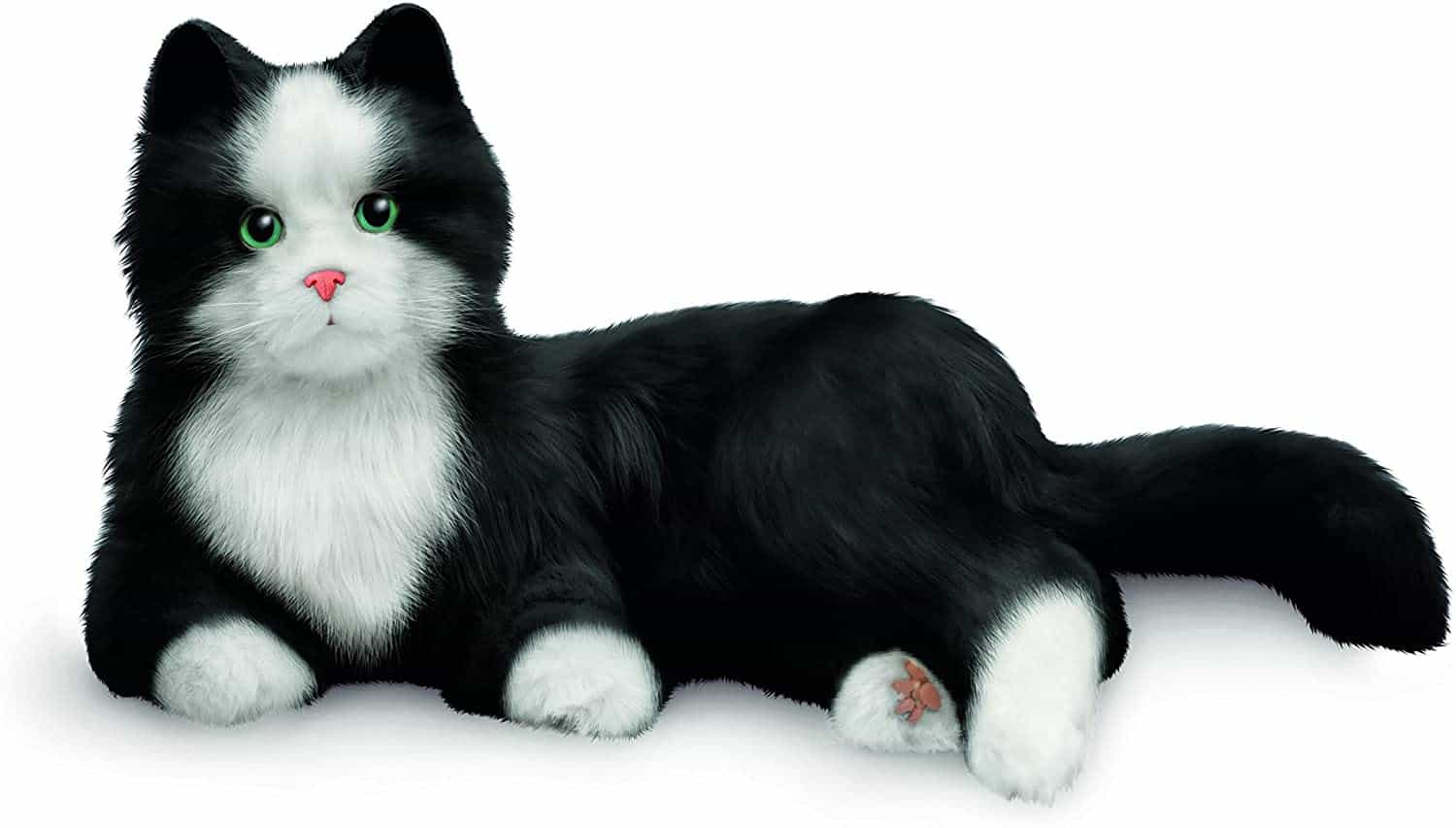 Best Overall |  Best for Dementia | 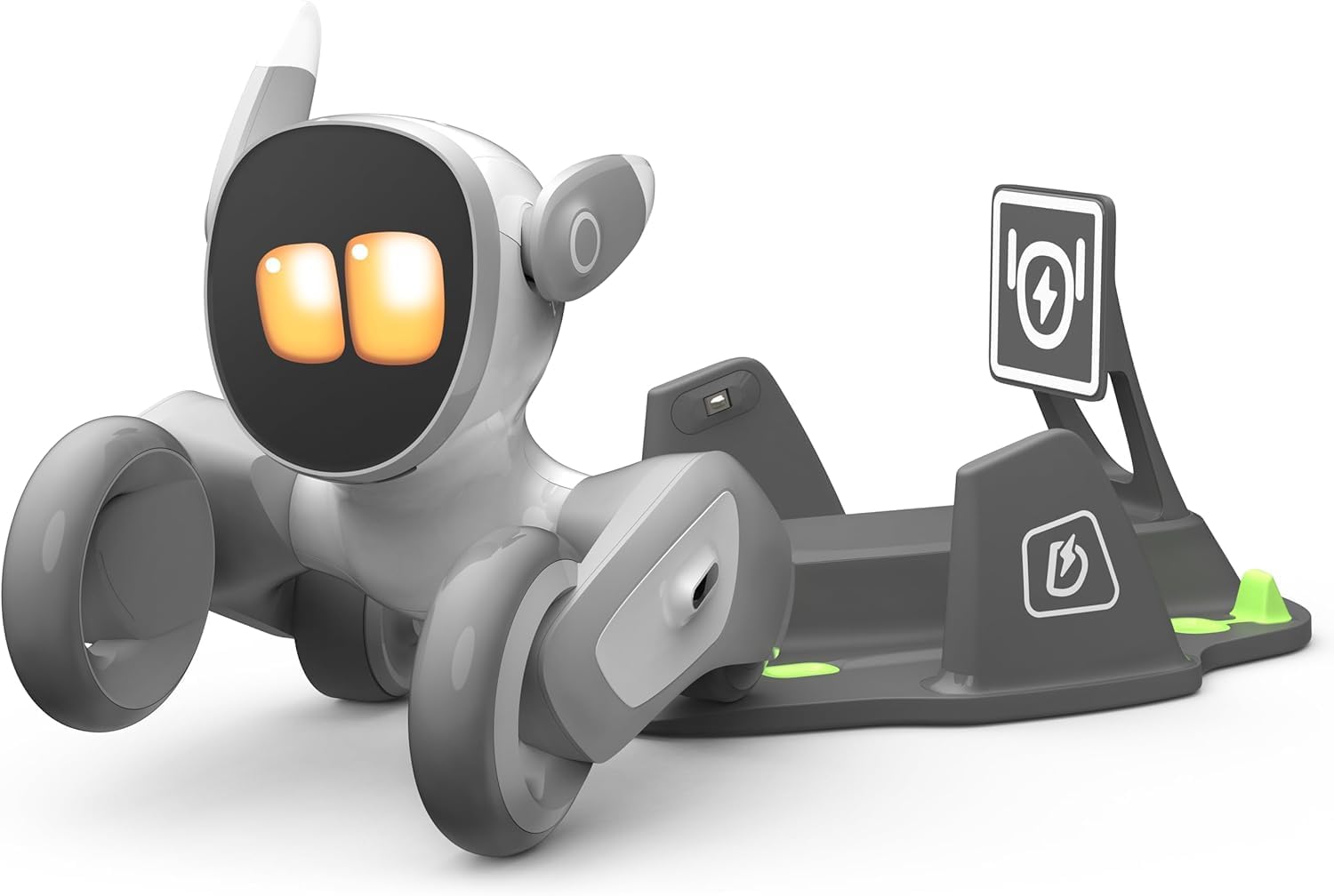 Best Interactive |
Joy for All Black & White Tuxedo CatA highly realistic, low-maintenance robotic cat designed specifically for emotional comfort and companionship. | Joy for All Companion Pets PupOffers calming interaction and predictable responses that work well for memory care environments. | Loona Robot Pet DogA more advanced robot pet with expressive reactions and dynamic interaction. |
Price:⭐⭐⭐⭐ Functionality: ⭐⭐⭐⭐⭐ Quality: ⭐⭐⭐⭐⭐ | Price: ⭐⭐⭐⭐ Functionality: ⭐⭐⭐⭐ Quality:⭐⭐⭐⭐⭐ | Price: ⭐⭐⭐⭐ Functionality:⭐⭐⭐⭐⭐ Quality: ⭐⭐⭐⭐ |
Let’s Go Over Each One
#1. Joy for All Black & White Tuxedo Cat
Price: ⭐ ⭐ ⭐ ⭐
Function: ⭐ ⭐ ⭐ ⭐ ⭐
Quality: ⭐ ⭐ ⭐ ⭐ ⭐
The Joy for All Black & White Tuxedo Cat is one of the most widely used robot pets in senior care environments, and there’s a reason for that. The design focuses less on flashy features and more on creating a believable, calming presence.
The fur texture feels soft enough to mimic a real cat, and the internal sensors respond to touch in a way that encourages interaction. When you stroke its back or hold it, it reacts with gentle movements and sounds that feel natural rather than mechanical.
What makes it effective for seniors living alone is its predictability. The responses are consistent, which helps build familiarity over time. For someone dealing with loneliness or mild cognitive decline, that consistency can be grounding.
Pros and Cons of the Joy for All Black & White Tuxedo Cat
| Pros | Cons |
|---|---|
| ✔️ Authentic purr ✔️ Ultra-realistic look ✔️ Advanced features and movements | ✖️ Pricey |
#2. Joy for All Companion Pets Pup

Price: ⭐ ⭐ ⭐ ⭐
Function: ⭐ ⭐ ⭐ ⭐
Quality: ⭐ ⭐ ⭐ ⭐ ⭐
The Joy for All Companion Pets Pup follows the same philosophy as the cat but appeals to users who prefer dogs. The interaction style is slightly more active, with head movements and gentle vocal responses that simulate attention and engagement.
For seniors who previously owned dogs, this can feel more familiar and emotionally satisfying. It recreates some of the presence of a real pet without requiring feeding, walking, or cleaning.
In memory care settings, this model performs particularly well because the interactions are simple and non-confusing. There’s no learning curve, which is critical for users who need immediate comfort.
Pros and Cons of the Joy for All Companion Pets Pup
| Pros | Cons |
|---|---|
| ✔️ Interactive robotic puppy ✔️ Has a lifelike fur coat ✔️ Barks and makes sounds like a real dog ✔️ Has a thumping “heartbeat” | ✖️ Lacks voice recognition for voice commands |
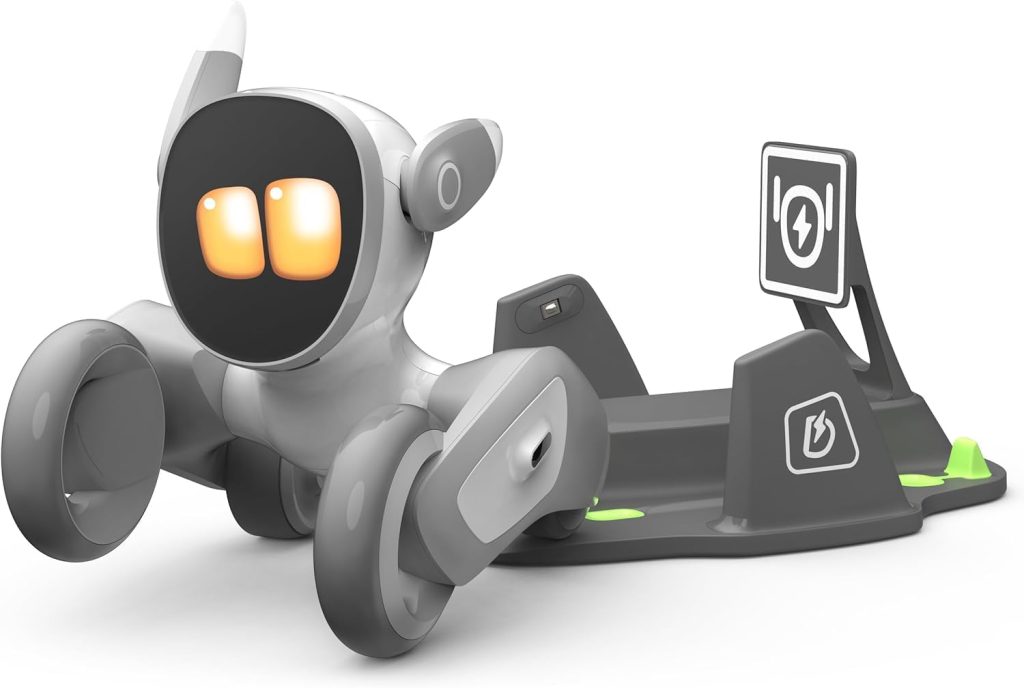
#3. Loona Robot Pet Dog
Price: ⭐ ⭐ ⭐ ⭐
Function: ⭐ ⭐ ⭐ ⭐ ⭐
Quality: ⭐ ⭐ ⭐ ⭐
The Loona Robot Pet Dog takes a completely different approach. Instead of focusing purely on comfort, it adds personality and intelligence to the experience.
This robot reacts dynamically to its environment. It can follow movement, respond to gestures, and display expressions that give it a more animated presence. That makes it feel closer to a companion than a passive object.
For seniors who are comfortable with technology, this adds a layer of engagement that simpler robot pets can’t provide. It creates interaction rather than just a response.
However, that added complexity also means it’s not ideal for everyone. It requires more adjustment and isn’t as immediately intuitive as therapy-focused models.
Pros and Cons of the Loona Robot Pet Dog
| Pros | Cons |
|---|---|
| ✔️ Strong interaction through camera and sensors ✔️ Autonomous movement adds realism ✔️ Expressive responses improve engagement | ✖️ Needs space to move effectively ✖️ Requires regular charging |
#4. FurReal Friends Pax My Poopin Pup

Price: ⭐ ⭐ ⭐ ⭐
Function: ⭐ ⭐ ⭐ ⭐
Quality: ⭐ ⭐ ⭐
The FurReal Friends Pax My Poopin Pup is a simpler option that focuses on light interaction. While it’s technically designed as a toy, it still offers movement and responsiveness that can be enjoyable in a casual setting.
It doesn’t aim for realism in the same way as therapy robots, but it provides enough engagement to create moments of interaction. For seniors who want something light and uncomplicated, it can still serve a purpose.
Pros and Cons of the FurReal Friends Pax My Poopin Pup
| Pros | Cons |
|---|---|
| ✔️ Makes fun sounds ✔️ Has soft and cuddly fur ✔️ Comes with reusable treats ✔️ Similar to a real dog due or real puppy due to “pooping” and walking feature | ✖️ Lacks advanced features |
How Robot Pets Help Seniors Living Alone
Robot pets fill a very specific role in daily life. They don’t replace human relationships, but they address a gap that often goes unnoticed. For seniors living alone, long periods without interaction can slowly affect mood, energy, and even motivation to stay active.
What these devices do well is introduce small, consistent moments of engagement. That might sound simple, but it creates structure in a day that would otherwise feel repetitive or quiet. Over time, that structure becomes meaningful.
Do Robot Pets Reduce Loneliness in Seniors?
Loneliness isn’t always about being completely alone. It often comes from a lack of interaction throughout the day. Even brief, responsive engagement can help break that pattern.
Robot pets for loneliness create what’s known as a feedback loop. When a senior touches the pet, and it responds with movement or sound, it reinforces interaction. That loop encourages repeated engagement, which can help reduce feelings of isolation.
This doesn’t replace real companionship, but it provides a consistent presence. For many seniors, especially those who live independently, that presence is enough to make daily life feel less empty.
Cognitive Benefits of Robot Pets for Memory and Engagement
There’s also a cognitive layer that makes these devices more valuable than they appear at first glance.
Simple, repetitive interaction helps maintain mental engagement. For seniors experiencing early memory decline, predictable responses are particularly important. They create familiarity without requiring learning or adaptation, which reduces confusion.
In memory care environments, robot pets are often used because they provide stimulation without pressure. There’s no expectation to remember commands or routines. The interaction happens naturally, which makes it easier to sustain over time.
Can Robot Pets Replace Real Pets?
Robot pets don’t replicate the full emotional bond of a real animal. They don’t adapt, learn, or respond with true awareness. However, they remove the responsibilities that can become overwhelming for seniors, such as feeding, cleaning, and veterinary care.
For someone who misses having a pet but can’t manage the physical demands, a robotic alternative can feel like a practical middle ground. It offers presence and interaction without adding stress or risk.
What to Expect from a Robot Pet Experience
Understanding limitations is just as important as understanding benefits.
These devices simulate interaction. They don’t think, feel, or form attachments. Their effectiveness comes from how well that simulation fits into a person’s routine. For seniors who value simplicity and comfort, the experience can be surprisingly satisfying. For others who expect high levels of intelligence or realism, it may feel limited.
The key is alignment. When the product matches the user’s needs and expectations, it becomes a useful part of daily life rather than a novelty.
Frequently Asked Questions
Are robot pets good for seniors with dementia?
Yes, especially models designed for therapy. They provide predictable interaction, which helps reduce anxiety and confusion. For robot companions best for seniors with dementia, check out our complete guide.
Do robot pets require internet?
Most therapy-focused models do not. Advanced robots like Loona may require setup and connectivity.
Are they safe?
Yes. They are designed to be low-risk and easy to use, with minimal maintenance required.
Final Note
Choosing the right robot pet depends less on features and more on the person using it. Some seniors benefit from simple, calming interaction, while others prefer something more engaging and dynamic. The best choice is the one that fits naturally into their routine without adding complexity.
Editor’s Choice
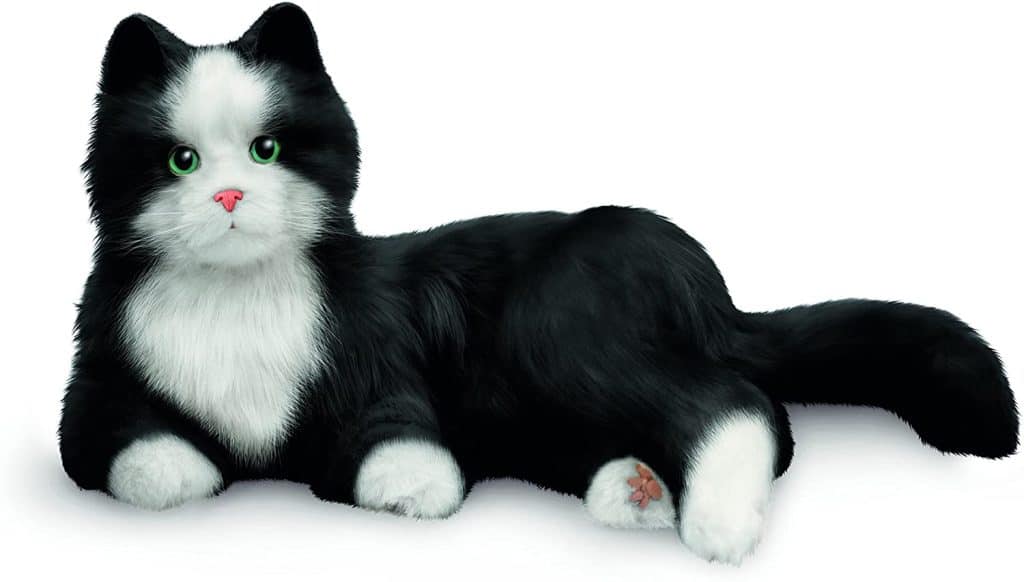
Joy for All Black & White Tuxedo Cat
The Joy for All Black & White Tuxedo Cat stands out because it focuses on what actually matters for seniors living alone. It delivers consistent, calming interaction without requiring any setup or learning.
Its strength lies in simplicity and realism. While it doesn’t offer advanced features, it creates a sense of presence that more complex robots sometimes miss. For most seniors, that balance makes it the most practical and effective option available.