
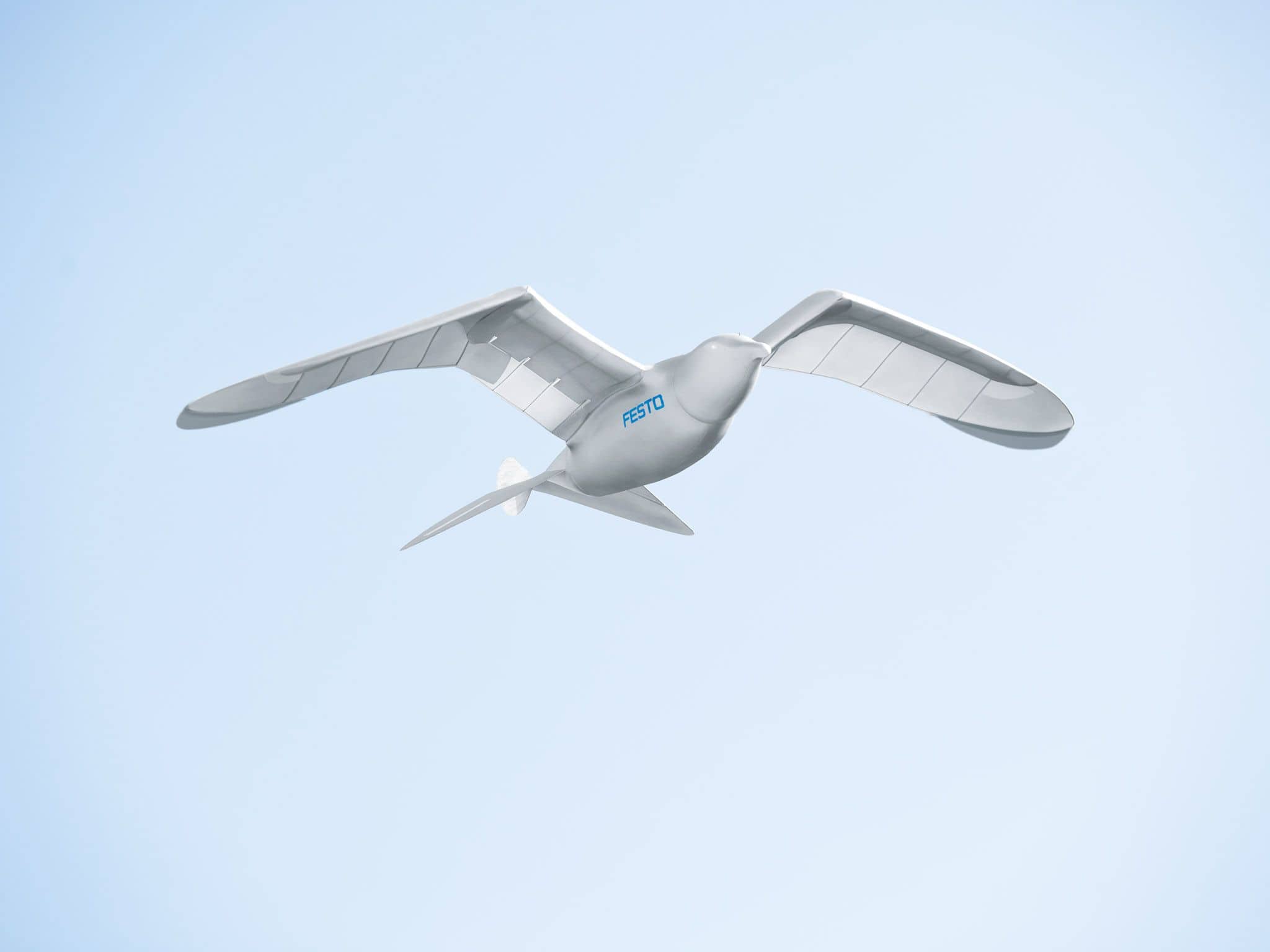
Robot birds are one of the most unique categories in consumer robotics. Unlike robot dogs or cats, which focus heavily on companionship through touch and presence, robot birds introduce something different: movement through space, visual realism, and ambient interaction. They can perch, chirp, flap, glide, or even fly—depending on the design. Some are built for companionship, others for education, and some push into advanced engineering with biomimetic flight systems.
This guide breaks down everything you need to know about robot birds—how they work, what makes them valuable, the different types available, and how to choose one that actually delivers a meaningful experience.
What Is a Robot Bird?
A robot bird is a robotic system designed to replicate certain aspects of real birds—appearance, sound, movement, or flight behavior. Depending on the model, this can range from a stationary bird that chirps and reacts to its environment to highly advanced flying robots that mimic wing motion.
What defines a robot bird isn’t just its form, but its interaction style. Unlike ground-based robot pets, robot birds are often designed to exist in the background of a space, adding subtle interaction rather than demanding constant attention. This makes them particularly suited for environments where users want presence without interruption.
How Robot Birds Work
Robot birds operate through a coordinated system of sensors, processing units, and mechanical components that translate input into lifelike behavior. When the robot detects movement, sound, or touch, its sensors send signals to an onboard processor. The system then determines how to respond—whether that’s producing a chirp, adjusting posture, or initiating movement such as wing flapping. These responses are carried out through small motors and actuators that control different parts of the body.
In more advanced models, especially flying robot birds, the mechanics become more complex. Instead of simple motor-driven motion, they use biomimetic wing systems that replicate how real birds generate lift. This involves precise coordination between wing angle, flapping speed, and air resistance. Even in simpler models, the quality of execution matters. Subtle delays, repetitive sound patterns, or stiff motion can make the experience feel artificial, while smooth timing and variation create a more convincing presence.
Benefits of Robot Birds

Robot birds provide a different kind of value compared to other robotic pets. Their strength lies in how they blend interaction with the environment rather than becoming the center of attention.
Ambient Companionship Without Intrusion
Robot birds are often designed to exist in the background of a space. They chirp, move subtly, or react to activity without requiring direct interaction. This creates a sense of presence that feels natural rather than demanding. Unlike more interactive robot pets, they don’t rely on constant engagement, making them well-suited for workspaces, living rooms, or quiet environments.
Visual and Auditory Enrichment
Birds are naturally associated with calm, outdoor environments. Robot birds bring elements of that experience indoors through controlled sound and movement. Soft chirping, gentle motion, and visual realism can enhance an environment without overwhelming it. This makes them particularly useful in spaces where atmosphere matters—such as relaxation areas or shared living environments.
Accessible Entry Point Into Robotics
Robot birds introduce robotics in a way that feels lightweight and approachable. They demonstrate how sensors, movement, and sound work together without requiring users to actively control or program them. For children or beginners, this creates a passive learning experience—observing how interaction triggers response, rather than needing to build or manage the system directly.
No Maintenance or Environmental Constraints
Unlike real birds, robot birds don’t require cages, feeding, cleaning, or environmental control. This makes them significantly easier to integrate into indoor spaces without added responsibility. They provide the aesthetic and sensory appeal of birds without the logistical requirements.
Types of Robot Birds
Robot birds vary significantly depending on their intended use and level of complexity.
Decorative and Ambient Robot Birds
These are designed to enhance an environment rather than serve as interactive devices. They typically perch in one place and respond to motion or light with chirping or subtle movement. Their value comes from atmosphere, not interaction depth.
Interactive Companion Robot Birds
These models introduce more direct engagement. They may respond to touch, sound, or proximity with varied behaviors, creating a more noticeable interaction loop. The best robot birds focus on responsiveness and variation, ensuring that interactions don’t feel repetitive.
Flying and Remote-Control Robot Birds
These are designed to replicate flight. Some use simple propeller systems, while others mimic real bird wing movement. They offer a more active experience, allowing users to control movement through space. However, the quality of flight—stability, responsiveness, and realism—varies widely between models.
Advanced Biomimetic Robot Birds
At the high end, robot birds are used in research and engineering. These systems aim to replicate real bird flight as closely as possible, using advanced materials and control systems. They’re not consumer products, but they demonstrate how far the technology can go in terms of realism and performance.
What Makes a Robot Bird Good
Robot birds are judged very differently from other robotic pets. They don’t rely on constant interaction or complex behaviors—instead, their quality comes down to how convincingly they exist in a space. The best ones feel natural even when you’re not actively engaging with them.
Subtlety in Movement and Sound
Real birds don’t move constantly, and they don’t behave in exaggerated ways. They pause, adjust, react in small increments, and remain still for long periods. A good robot bird captures this rhythm. This means movement should feel restrained and intentional—small head turns, slight posture shifts, or occasional wing adjustments rather than continuous activity.
The same applies to sound. Chirping should feel spaced out and context-aware, not triggered on a fixed loop. When this balance is done well, the robot bird blends into the environment. When it isn’t, the behavior becomes noticeable in a negative way—either too repetitive or too active for the setting.
Responsiveness Without Overreaction
Unlike robot dogs or cats, where immediate response is expected, robot birds need a more selective approach to interaction. A well-designed robot bird reacts to stimuli—like motion or sound—but not every time, and not always in the same way. This selective responsiveness mimics how real birds behave: aware of their surroundings, but not constantly reacting to every input.
If a robot bird responds too frequently or too aggressively, it starts to feel artificial and distracting. If it responds too rarely, it feels inactive. The balance between these extremes is what creates a believable presence.
Environmental Integration
Robot birds are often placed in visible areas—on shelves, near windows, or as part of décor. This makes integration into the environment a key factor. A strong design considers:
- How often it activates in a quiet room
- Whether sound levels match the space
- How movement draws (or avoids drawing) attention
The goal isn’t to stand out—it’s to enhance the space subtly. The best robot birds feel like part of the environment rather than a device placed within it.
Variation in Behavior
Because robot birds operate in quieter, more passive settings, repetition becomes noticeable much faster. Good models introduce variation in:
- Chirp patterns and timing
- Movement sequences
- Response triggers
Even small differences—like a slight delay in reaction or a different chirp tone—can significantly improve realism. Without this variation, the behavior becomes predictable, and the illusion fades quickly.
Key Features That Matter
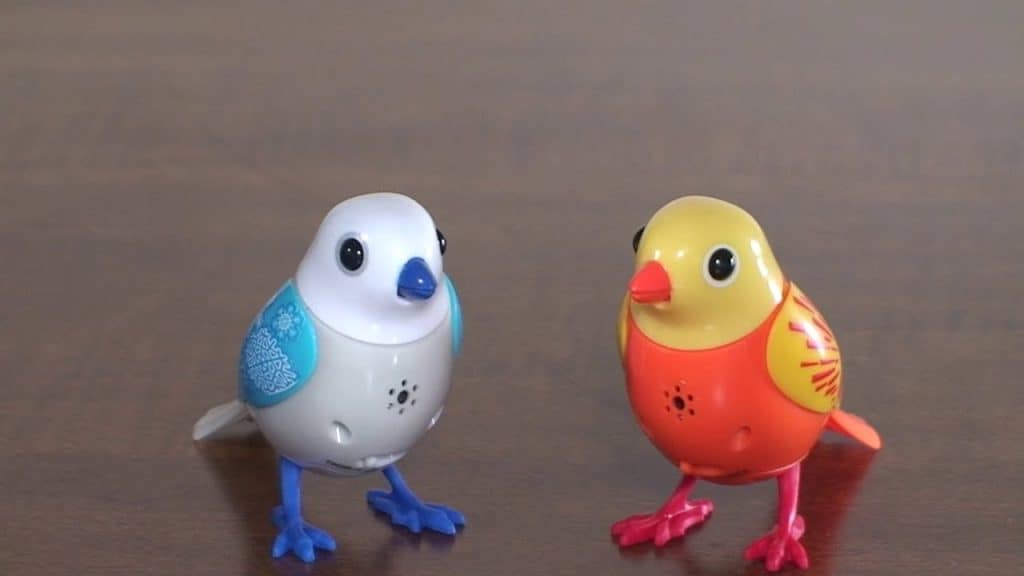
Robot birds don’t rely on feature-heavy designs. Instead, their effectiveness comes from how well a few critical elements are executed. These features directly influence whether the robot feels natural or artificial in daily use.
Sensor Sensitivity and Trigger Accuracy
Most robot birds rely on motion, light, or sound detection to trigger behavior. The key is not just detection—but how accurately and consistently it happens. If sensors are too sensitive, the bird activates constantly, making it distracting. If they’re not sensitive enough, it rarely responds, which makes it feel inactive.
The best systems strike a balance, responding in a way that feels intentional—reacting to meaningful changes in the environment rather than every minor movement.
Sound Design and Audio Quality
Sound is one of the most defining features of a robot bird. Unlike robot dogs or cats, where sound supports interaction, here it is often the interaction. High-quality models use varied chirp patterns with natural spacing and tone differences. This prevents the sound from feeling looped or artificial. Lower-quality designs rely on short, repeated audio clips, which quickly become noticeable—especially in quiet environments. Sound should feel ambient, not repetitive. It should blend into the environment rather than dominate it.
Movement Precision
Movement in robot birds is subtle, but that makes precision even more important. Whether it’s wing flapping, head rotation, or body shifts, the motion should be:
- Smooth rather than jerky
- Timed naturally with pauses
- Proportional to the action
Overly mechanical movement stands out immediately because the rest of the experience is so minimal. Precision ensures that even small actions feel believable.
Build Quality and Aesthetic Realism
Because robot birds are often displayed rather than stored, their physical appearance plays a major role in the overall experience. Details like feather texture, color accuracy, and proportions affect how convincing the bird looks at a glance. A well-designed exterior supports the illusion created by movement and sound, while a poorly designed one undermines it immediately.
This is less about hyper-realism and more about cohesion—everything should feel consistent with the intended look and behavior.
Battery Life and Passive Usage
Robot birds are typically used in passive or background scenarios, which changes how battery life impacts the experience. Instead of long, continuous sessions, they need to remain available over extended periods without frequent interruption. If the robot requires constant charging, it disrupts the sense of presence and reduces how often it’s used.
Ease of charging also matters. Simple, low-maintenance charging setups integrate better into daily environments than systems that require frequent manual attention.
Limitations to Be Aware Of
Robot birds are designed for a different type of interaction—one that’s subtle, ambient, and often indirect. This means they’re not ideal for users looking for highly responsive, hands-on engagement.
Their effectiveness also depends heavily on execution. Because their behavior is quieter and less frequent, any flaws—such as repetitive sounds or unnatural movement—become more noticeable over time.
That said, these limitations are closely tied to their purpose. Robot birds aren’t meant to replicate active companionship. They’re designed to create presence, atmosphere, and light interaction. When expectations align with that purpose, they tend to deliver a more satisfying experience.
How to Choose the Right Robot Bird
Choosing a robot bird starts with understanding how it will fit into your space and routine.
For Ambient and Decorative Use
If your goal is to enhance an environment, prioritize sound quality, visual design, and subtle behavior. The robot should feel like part of the space rather than something you need to actively manage.
For Light Interaction
If you want occasional engagement, look for models with responsive but controlled interaction. Variation in behavior becomes important here to avoid repetition.
For Movement or Flight-Based Experience
If you’re interested in flying or active movement, stability and control become the priority. Smooth, predictable motion matters more than realism in these cases.
For Long-Term Use
Regardless of type, the most important factor is how well the robot maintains its presence over time. Models that balance subtlety, variation, and consistency are far more likely to remain engaging beyond the initial experience.
The Future of Robot Birds
Robot birds are advancing in both realism and function. Improvements in materials, AI, and movement systems are making them more lifelike and adaptable. Future developments may include:
- More realistic flight systems
- Improved environmental awareness
- Integration with smart home ecosystems
- Expanded use in monitoring and research
What’s evolving is not just capability, but purpose. Robot birds are becoming tools for environmental interaction, learning, and design—not just novelty devices.
Final Thoughts
Robot birds occupy a unique space in robotics. They don’t try to replicate companionship in the same way as robot dogs or robot cats. Instead, they offer something quieter—interaction that blends into the environment. The best robot birds don’t demand attention. They create presence. And when executed well, that presence feels natural, consistent, and surprisingly engaging over time.
Frequently Asked Questions About Robot Birds
Are robot birds worth it for everyday use?
Robot birds can be worth it if your goal is to enhance your environment rather than actively “play” with a device. They’re best suited for passive interaction—adding subtle sound, movement, and presence to a space.
Do robot birds make noise all the time?
No, well-designed robot birds are not constantly active. They are typically triggered by motion, light, or environmental changes, and their chirping is spaced out to feel natural.
Can robot birds actually fly?
Some robot birds are capable of flight, but this depends on the type. Basic models are stationary and designed for ambient interaction, while more advanced versions use flapping wing mechanisms or propellers for controlled flight.
Are robot birds good for kids?
Yes, but it depends on the purpose. For younger children, simpler robot birds can provide light interaction and introduce basic cause-and-effect concepts. For older children or those interested in technology, more advanced or programmable models can offer educational value, especially in understanding movement and robotics.