
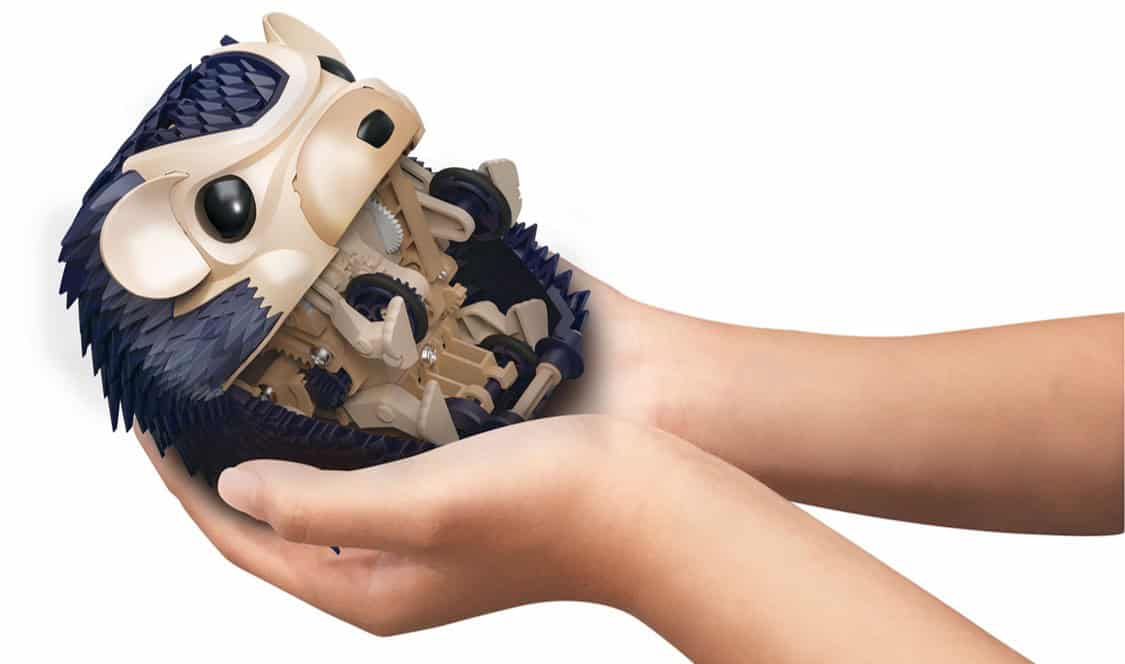
Robot hedgehogs occupy a very specific niche in robotics. They are not built for large movement like robot dogs, nor for ambient presence like robot birds or robot fish. Instead, they’re designed around close interaction—touch, subtle response, and contained behavior. This makes them one of the most overlooked but potentially most satisfying categories of robotic companions. When executed well, robot hedgehogs feel personal, calming, and easy to engage with over time.
This guide breaks down everything you need to know—from how they work to what actually makes a good one, along with types, benefits, and how to choose the right model.
What Is a Robot Hedgehog?
A robot hedgehog is a small robotic companion designed to replicate certain traits of real hedgehogs—primarily their compact form, subtle movements, and tactile interaction. Unlike more expressive robotic pets, robot hedgehogs are built around contained behavior.
They don’t move across large spaces or perform complex actions. Instead, they react through small gestures—slight body movement, sound, or vibration—often triggered by touch or proximity. This makes them particularly suited for close-range interaction, such as holding, placing on a desk, or using in calming environments.
How Robot Hedgehogs Work
Robot hedgehogs operate through compact internal systems designed for responsiveness rather than large-scale movement. When you touch or handle the robot, built-in sensors detect pressure or motion. This input is processed by a small onboard controller, which determines how the robot should respond. The response is then executed through micro-motors, vibration systems, or small mechanical movements.
Because of their size, robot hedgehogs rely heavily on micro-interactions:
- Subtle shifts in position
- Gentle vibrations or “breathing-like” motion
- Soft audio cues or feedback
The effectiveness of these interactions depends on timing and sensitivity. Even slight delays or exaggerated responses can make the experience feel artificial. When done well, the interaction feels immediate and calming rather than mechanical.
Benefits of Robot Hedgehogs
Robot hedgehogs provide value through intimacy and simplicity. They’re designed to be handled, observed closely, and interacted with in short, frequent moments rather than long sessions.
Calming, Low-Stimulation Interaction
Robot hedgehogs are naturally suited for environments where overstimulation is a concern. Their movements are small, their responses are controlled, and their presence is quiet. This makes them effective for:
- Stress relief
- Focus environments (desks, workspaces)
- Users who prefer subtle interaction
Unlike louder or more active robot pets, they don’t demand attention. They offer it gently.
Tactile Engagement Without Complexity
Touch is central to the experience. Robot hedgehogs are designed to be held, stroked, or placed in your hand, creating a direct connection between input and response. This tactile focus makes interaction feel immediate and intuitive. There’s no need for commands, apps, or setup—just physical engagement.
Accessible Companion for Limited Spaces
Because of their size, robot hedgehogs fit into almost any environment. They don’t require space, setup, or dedicated areas. This makes them ideal for:
- Desks and workstations
- Small apartments
- Shared spaces
They integrate easily into daily routines without adding friction.
Simple Entry Point Into Robotics
Robot hedgehogs introduce basic robotics concepts—input, processing, response—in a way that feels natural. The simplicity of their interaction makes them approachable for users of all ages.
Types of Robot Hedgehogs
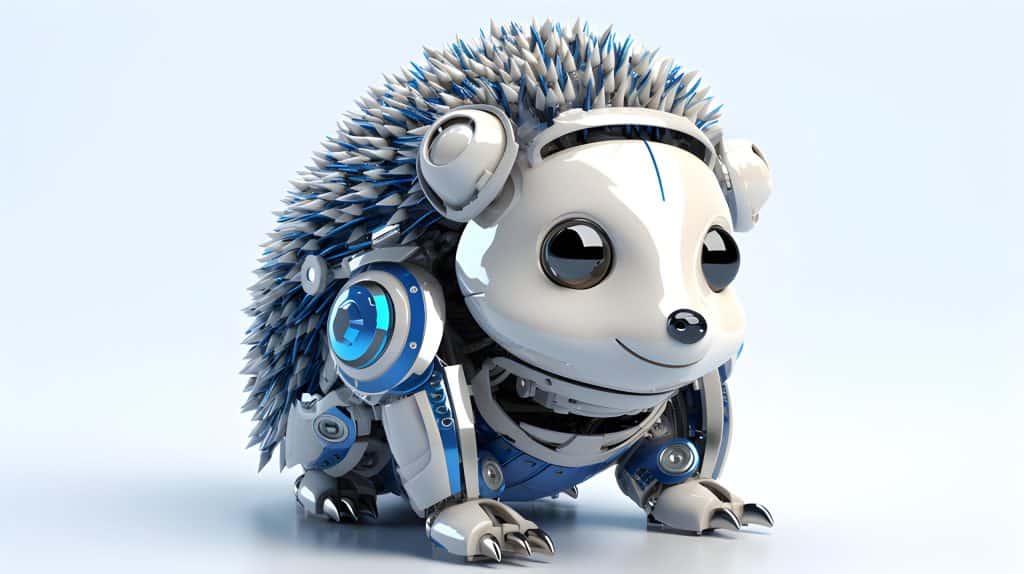
Robot hedgehogs differ mainly in interaction depth and purpose, rather than movement or scale.
Toy Robot Hedgehogs
These are designed for simple, immediate engagement. They typically respond to touch with a limited set of movements or sounds. What defines them is predictability. They’re easy to use and accessible, but their behavior tends to repeat quickly. The best robot hedgehogs focus on smooth response timing and consistent feedback rather than trying to simulate complexity.
Interactive Companion Robot Hedgehogs
These models are built around more refined interaction. They respond differently depending on how they’re touched or handled, introducing variation into the experience. The key difference here is sensitivity and nuance. Instead of a single response per input, these robots interpret interaction more dynamically, which helps maintain engagement over time.
Therapeutic Robot Hedgehogs
Designed for calming environments, these models prioritize predictability and comfort. Their behavior is intentionally limited and controlled. Movements are gentle, responses are consistent, and sound (if present) is minimal. The goal is not to entertain, but to provide a stable and reassuring interaction.
Programmable or Experimental Models
While less common, some robot hedgehogs allow basic customization or programming. These are typically niche models focused on learning or experimentation rather than companionship.
What Makes a Robot Hedgehog Good
Robot hedgehogs live or die by micro-interactions. There’s no large movement, no spectacle—just how convincingly they respond in your hand or on a surface. Because everything is small and close-range, even minor flaws become obvious. What makes a robot hedgehog “good” is not complexity, but how refined and reliable those small interactions feel.
Touch Sensitivity That Feels Intentional, Not Binary
Most low-end models treat touch like an on/off switch—you touch it, it reacts the same way every time. That quickly feels artificial. A well-designed robot hedgehog interprets how you’re touching it. A light stroke, a tap, or a longer hold should produce slightly different responses. This doesn’t require advanced AI—it requires good sensor calibration and thoughtful behavior mapping.
The key is intent recognition. When the robot responds differently based on how you interact, it creates a sense of awareness rather than automation. Without this, the experience flattens into repetition very quickly.
Movement That Mimics Presence, Not Action
Robot hedgehogs aren’t meant to “do” things—they’re meant to feel present. That means movement should simulate:
- Breathing-like rhythms
- Small posture adjustments
- Gentle, reactive shifts
If movement is too fast, too strong, or too frequent, it breaks the illusion. The goal is not activity—it’s believability at rest. The best models are convincing even when they’re barely moving.
Response Timing That Reinforces Connection
Timing is one of the most underrated factors. If the robot reacts too slowly, the connection between action and response feels broken. If it reacts too quickly in a mechanical way, it feels scripted.
The best robot hedgehogs sit in a narrow window where response feels naturally immediate—not instant like a button press, but not delayed enough to feel disconnected. This subtle timing is what makes interaction feel fluid rather than transactional.
Consistency That Builds Familiarity
Because robot hedgehogs are often used repeatedly in short sessions, consistency becomes more important than novelty. You should be able to interact with it multiple times and get reliable, predictable responses when it matters. This builds familiarity, which is especially important for calming or therapeutic use. If the robot behaves inconsistently—missing inputs or reacting unpredictably—it quickly loses its value as a companion device.
Controlled Variation That Doesn’t Break the Mood
Variation is important, but it needs to be restrained. Unlike robot dogs or robot dinosaurs, where variety drives excitement, robot hedgehogs need low-intensity variation. This might look like:
- Slight differences in timing
- Small changes in movement patterns
- Occasional variation in response sequences
Too much variation makes the robot feel erratic. Too little makes it predictable. The balance is what keeps interaction engaging without disrupting its calm nature.
Key Features That Matter
Robot hedgehogs don’t rely on a wide range of features. Instead, the experience is shaped by a small number of elements that must be executed with precision. Because interaction is close, tactile, and repetitive, even minor flaws become noticeable very quickly.
Touch Sensor Calibration
Having touch sensors is not enough—the system needs to interpret input accurately and consistently. A well-calibrated robot hedgehog can distinguish between different types of interaction, such as a light stroke, a firmer press, or repeated contact. This allows it to respond in ways that feel intentional rather than generic.
When calibration is off, the experience breaks down immediately. Missed inputs, delayed reactions, or incorrect responses make the robot feel unreliable. Over time, this discourages interaction because users no longer trust how the device will behave.
Tactile Materials and Surface Design
Material quality plays a much bigger role here than in most robotic devices because the robot is meant to be handled directly. The surface should feel comfortable during extended contact and remain consistent with the visual design. If it looks soft but feels rigid or overly synthetic, the disconnect becomes obvious.
Good materials also maintain their texture over time. Since robot hedgehogs are frequently handled, lower-quality finishes can wear down quickly, which affects both comfort and overall perception. This is often the difference between a device that feels like a toy and one that feels like a companion.
Micro-Movement System
Movement in robot hedgehogs is subtle, but that makes precision even more important. Small motors or vibration systems are responsible for creating effects like gentle shifts or breathing-like motion. These need to be finely tuned so the output feels smooth and controlled.
If the movement is too strong, it feels mechanical. If it’s uneven or produces noticeable buzzing, it breaks the illusion entirely. A well-designed system maintains consistency across repeated use, delivering the same quality of movement without degradation.
Battery Integration and Usability
Because robot hedgehogs are used in short, frequent interactions, battery design affects how seamlessly they fit into daily life. Charging should be simple and unobtrusive, allowing the device to remain available without requiring constant attention. When battery performance is poor, it interrupts the experience. If the robot frequently needs to be recharged or managed, it stops feeling like a passive companion and starts feeling like a device that demands upkeep.
Structural Durability for Repeated Handling
Robot hedgehogs are handled more directly than most robotic pets. They’re picked up, repositioned, and interacted with throughout the day. This makes build quality critical.
A well-constructed model maintains performance even with repeated use. Sensors remain responsive, movement stays consistent, and materials hold up under regular contact. Weaker builds, on the other hand, tend to degrade over time, leading to reduced responsiveness or mechanical issues that affect the overall experience.
Limitations to Be Aware Of
Robot hedgehogs are intentionally narrow in scope. They’re not designed for exploration, movement across spaces, or complex interaction patterns. Their entire value is concentrated in a small interaction range. That means there’s very little room to hide flaws. If touch sensitivity is inconsistent or movement feels artificial, it becomes noticeable immediately.
They can also feel repetitive if expectations are misaligned. These devices are not meant to entertain through variety—they’re meant to provide stable, repeatable interaction. When viewed through that lens, their limitations become part of their design rather than a drawback.
How to Choose the Right Robot Hedgehog

Choosing the right model depends less on specs and more on how you expect to use it day-to-day.
For Calming and Stress Relief
Look for models that prioritize consistency and softness in response. Movement should be subtle, sound (if any) should be minimal, and interaction should feel predictable. Avoid models that overemphasize features or exaggerated reactions, as these can disrupt the calming effect.
For Casual, Everyday Interaction
If you plan to interact with the robot occasionally throughout the day, focus on responsiveness and slight behavioral variation. The robot should feel reliable, but not completely static. Small differences in response help maintain engagement without adding complexity.
For Children
Durability and clarity matter most. The robot should respond in a way that clearly reinforces cause and effect—touch leads to reaction—without requiring precise handling. It should also withstand frequent use without performance degradation.
For Long-Term Use
Long-term satisfaction comes from refinement, not features. Prioritize:
- Consistent sensor performance
- Comfortable materials
- Reliable response timing
These factors determine whether the robot remains enjoyable after repeated use, rather than just impressive at first interaction.
The Future of Robot Hedgehogs
Robot hedgehogs are likely to evolve through improvements in sensor accuracy, material design, and micro-movement systems. Future models may offer:
- More nuanced touch recognition
- Improved tactile realism
- Better integration with calming or therapeutic environments
The direction isn’t toward complexity—it’s toward refinement. Making small interactions feel more natural and responsive will define the next generation.
Final Thoughts
Robot hedgehogs are not designed to impress through scale or complexity. They succeed through precision, subtlety, and consistency. When done well, they offer something rare in robotics—a quiet, tactile experience that fits naturally into everyday life without demanding attention.
Frequently Asked Questions About Robot Hedgehogs
Are robot hedgehogs worth it?
They can be, especially if you value subtle, calming interaction. Their strength lies in simplicity and consistency rather than complex features.
Do robot hedgehogs require maintenance?
Minimal maintenance is needed, including primarily charging and occasional cleaning.
Are robot hedgehogs good for stress relief?
Yes, particularly models designed for gentle, consistent interaction. Their controlled behavior can create a calming effect.