How Haptic Feedback Works in Robot Pets for Diverse User Groups
Table of Contents
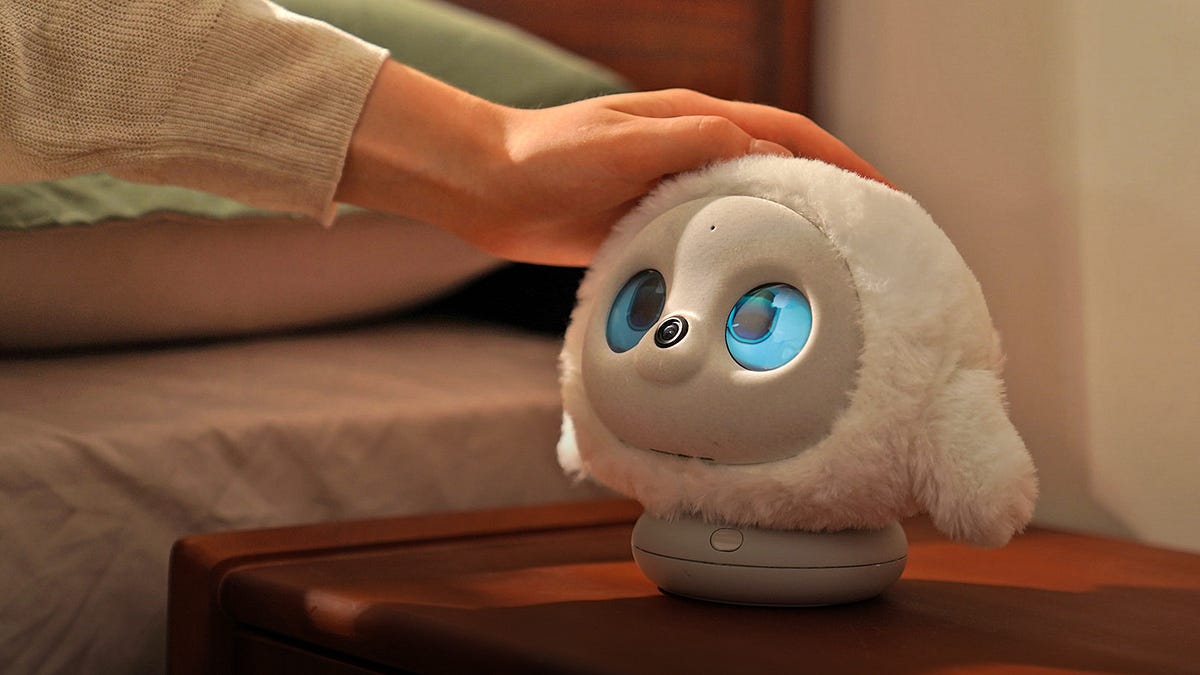
Haptic feedback in robot pets creates a physical connection between people and robotic companions. When you stroke a robotic dog and it shifts beneath your hand, touch its head and feel a subtle movement, or hold a robotic companion while it produces a gentle vibration, you’re experiencing a form of tactile interaction designed to make the robot feel responsive.
For robot pets, haptics can serve a broader purpose than simply making an interaction more realistic. Tactile responses can confirm that the robot recognized a touch, communicate its current state, guide users through interactions, and make robotic companions easier to use when visual or auditory cues aren’t ideal.
These functions become particularly important when robot pets are designed for diverse user groups. Children, older adults, people with disabilities, and users with different sensory preferences may perceive and respond to tactile feedback differently. Effective robot pet design therefore depends on making haptic interactions understandable, comfortable, and adaptable rather than simply adding more vibration or movement.
What Is Haptic Feedback in Robot Pets?
Haptic feedback refers to physical sensations that communicate information through touch. In a robot pet, those sensations can be created through vibration motors, actuators, moving components, pressure systems, or other mechanisms that produce a physical response users can feel.
The experience often begins with sensors. A robot pet might contain touch, pressure, proximity, or force sensors beneath its exterior. When someone strokes its back, squeezes a paw, scratches its head, or picks it up, sensors detect the interaction. Software interprets that input and determines an appropriate response.
The robot might move its head, produce a small vibration, shift its body, wag its tail, or combine tactile feedback with sounds and lights. This creates a feedback loop between the person and the robot. The person touches the pet, the robot recognizes the action, and the robot physically responds. That response tells the user that their interaction had an effect.
For robotic companions, this responsiveness is crucial because it can make interactions feel less like operating a machine and more like communicating with an interactive character.
How Haptic Feedback Works Inside a Robot Pet
Haptic interaction in a robot pet generally involves three components: sensing, processing, and physical response.
First, sensors detect what the user is doing. Capacitive touch sensors can recognize contact, while pressure or force sensors can determine how firmly someone is touching or holding the robot. More sophisticated systems may use multiple sensors across the body to distinguish between a pat on the head and a stroke along the back.
Next, the robot’s software interprets that information. A gentle stroke might be categorized as positive interaction, while repeated tapping could trigger a different response. The software can also consider context, including where the robot was touched, how long the contact lasted, and what the robot was doing immediately beforehand.
Finally, actuators create the physical reaction. Small motors can generate vibrations, while servos and other mechanisms can move ears, tails, limbs, heads, or entire body sections.
The most convincing interactions combine these elements. Rather than producing the same vibration every time someone touches the robot, the system can generate different responses based on the type and location of the interaction.
Touch Sensors Make Robot Pets Responsive to Human Contact
Touch sensing is particularly important because petting is one of the most natural ways people attempt to interact with animal-shaped robots. A robot pet that doesn’t respond when stroked can quickly feel like an electronic toy. A robot that recognizes touch and reacts immediately establishes a clearer connection between action and response.
Different parts of the robot’s body can also serve different interaction functions. Stroking the back might trigger relaxed movements, while touching the head could produce another recognizable response. Holding a paw might activate a specific behavior. Pressure sensitivity can add another layer. Instead of simply detecting whether contact occurred, a robot can potentially recognize differences between light and firmer touch.
However, designers need to be careful about requiring precise gestures. Some users may stroke slowly, tap repeatedly, apply very little pressure, or have difficulty controlling the amount of force they use. A robot pet intended for a broad population should recognize a reasonable range of natural touch behaviors rather than requiring everyone to interact with it in exactly the same way.
Why Haptics Can Make Robot Pets Feel More Lifelike
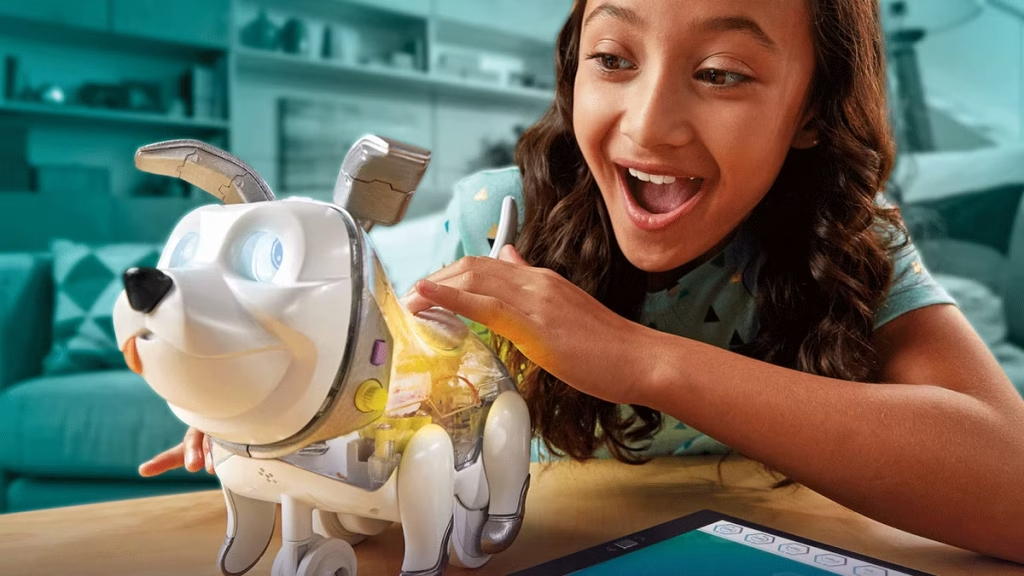
Much of the appeal of robot pets comes from responsiveness. People naturally expect animals to react when they’re touched, picked up, or approached. Haptics can help recreate part of that relationship.
Imagine holding a robotic cat that remains completely rigid and motionless. Even if it produces realistic sounds, the physical experience still communicates that you’re holding a machine.
Now imagine the same robot producing subtle movement while being held. Its body might shift slightly or generate a soft, rhythmic sensation. Combined with appropriate sound and movement, the tactile response can make the interaction feel more dynamic.
Designers don’t necessarily need to reproduce biological sensations perfectly. The more important goal is creating physical behavior that makes sense in response to what the user does. When you pet the robot, something should happen. When you hold it, its response should feel appropriate for being held. Consistency helps users build expectations and understand the robot’s behavior.
Haptics Can Reinforce the Robot Pet’s Personality
Robot pets are unusual interfaces because users may interpret their behaviors socially. A head tilt, tail movement, sound, or vibration isn’t always perceived as a system notification. It can become part of the robot’s personality. Haptic feedback should therefore match the character designers want the robot to express.
A calm companion might use slower, softer physical responses. A playful robotic dog could use quicker movements and more energetic reactions. A small fantasy creature could use tactile patterns that don’t attempt to imitate a real animal at all.
Consistency helps maintain the illusion. If the robot usually responds gently to petting but suddenly produces a harsh vibration for no apparent reason, the interaction can feel mechanical or confusing. This makes haptic design part of character design. Physical feedback communicates not only that something happened, but also how the robot appears to respond to the person interacting with it.
Haptic Feedback in Robot Pets for Children
Children may find tactile robot pets especially engaging because touch creates an immediate cause-and-effect relationship. When a child pets a robotic animal and it responds with movement, vibration, or sound, the connection between the child’s action and the robot’s behavior is easy to understand. This can make interaction more intuitive than navigating menus or remembering voice commands.
Haptics can also be incorporated into play and learning experiences. A robot pet could respond differently to gentle and rough handling, for example, providing immediate feedback that encourages more controlled interaction.
However, robot pets designed for children shouldn’t require extremely precise touch. Younger users may squeeze, pat, grab, or stroke a device with inconsistent force. Durability and safety therefore intersect with haptic design. Sensors need to recognize realistic childhood interactions, while moving parts and vibration mechanisms should remain comfortable during prolonged use.
The goal is responsive interaction without overwhelming the child with constant movement, sound, and vibration.
Haptic Feedback in Robot Pets for Older Adults
Robot pets have also been developed as interactive companions for older adults, including people living in care environments. In this context, haptic feedback can make interactions more straightforward because touch is often more intuitive than navigating complicated digital controls.
A person shouldn’t necessarily need to understand apps, menus, pairing procedures, or complicated commands to interact with a robotic companion. Petting, holding, or touching the robot can serve as the interface. The robot’s tactile and physical response then confirms that the interaction has been recognized.
Designers should account for possible differences in tactile sensitivity and dexterity. Extremely subtle responses may be difficult for some users to perceive, while complicated gestures could make the robot harder to use.
Physical design matters as well. Weight, softness, shape, surface materials, movement speed, and vibration intensity all contribute to the tactile experience. A technically advanced feedback system won’t be particularly helpful if the robot itself is uncomfortable or difficult to hold.
Haptic Feedback in Robot Pets for Users With Visual Impairments
Robot pets don’t need to communicate entirely through screens, lights, or facial expressions. Haptic interaction can provide an additional communication channel for users who are blind or have low vision.
A robotic companion might respond to touch with movement or distinct tactile patterns that help users recognize different states. For example, the robot could use clearly differentiated physical responses when acknowledging contact, requesting interaction, or signaling that an action has been completed.
Location-based feedback can also make interaction easier. Different areas of the robot’s body might produce predictable responses when touched, allowing users to learn its interaction patterns through exploration.
Consistency is particularly important. If the same tactile response represents several unrelated behaviors, interpreting the robot becomes difficult. Haptic cues can work alongside sound to create a multimodal interface that doesn’t depend on visual information. Users can then receive information through whichever sensory channels work best for them.
Haptic Feedback in Robot Pets for Deaf and Hard-of-Hearing Users
Many electronic toys and robotic companions rely heavily on sounds to communicate personality and state. That approach can make part of the experience inaccessible to users who are deaf or hard of hearing. Haptic feedback provides another option.
Instead of relying exclusively on barking, purring, chirping, or spoken messages, a robot pet can pair sounds with recognizable movement or tactile sensations. A user could feel the robot react even when an auditory signal isn’t useful.
The objective doesn’t have to be translating every sound into a unique vibration. Doing so could create an unnecessarily complicated tactile vocabulary. Instead, designers can identify important information that would otherwise exist only through sound and provide a tactile or visual equivalent. Significant states should have clearly distinguishable responses so users aren’t required to guess what a subtle vibration means.
This multimodal approach can make the robot’s behavior easier to understand without reducing the experience for people who enjoy its sounds.
Designing Robot Pets for Different Motor Abilities
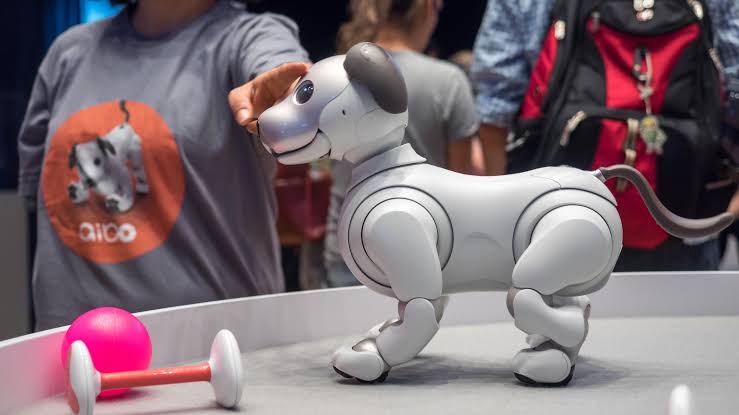
Robot pets are often designed around assumptions about how people pet, pick up, or manipulate objects. Those assumptions can exclude users with limited dexterity, tremors, reduced grip strength, or other differences in motor control.
A touch sensor requiring a precise tap in a particular location may work well during a demonstration but poorly for someone who can’t reliably perform that gesture. Larger interactive areas can make tactile interfaces more forgiving. Instead of requiring users to touch one tiny sensor, designers can distribute sensing across the head, back, sides, or paws.
Sensitivity thresholds also require careful calibration. A sensor shouldn’t demand excessive pressure, but it also shouldn’t activate constantly from accidental contact. The robot’s responses can help users determine whether their interaction succeeded. A clear movement, vibration, or other tactile reaction provides immediate confirmation without requiring repeated attempts.
Sensory Sensitivities and Neurodiverse Users
More haptic feedback isn’t always better. Some people enjoy tactile stimulation, while others may find vibration, repetitive movement, mechanical noise, or unexpected physical sensations uncomfortable. This is particularly relevant when robot pets are intended for neurodiverse users or environments where people have widely different sensory preferences.
Predictability can help. A sudden strong vibration may be startling, whereas a gradual or consistent response may be easier to anticipate. Customization offers another solution. Where technically practical, robot pets can provide multiple levels of tactile intensity or allow certain responses to be turned off.
For example, a user might prefer physical movement but dislike vibration. Another might enjoy gentle vibration while finding rapid mechanical movements distracting. Treating these preferences as configurable features allows one robot pet to support a broader range of users without assuming that everyone experiences tactile stimulation in the same way.
Making Haptic Feedback in Robot Pets More Inclusive
Haptic feedback in robot pets works best when touch becomes a meaningful two-way interaction. The user pets, holds, or touches the robot, sensors recognize the action, and the robot responds through movement, vibration, resistance, or another physical sensation.
That basic loop can serve very different users. Children may benefit from immediate cause-and-effect interactions. Older adults may find touch easier than navigating digital menus. People with visual or hearing impairments can receive information through another sensory channel, while users with different motor abilities can benefit from larger, more forgiving interaction areas.
No single tactile experience will suit everyone, however. Effective haptic feedback in robot pets requires adjustable intensity, predictable responses, multimodal alternatives, accessible touch detection, and testing with the people who will actually use the device.
When those elements work together, haptics can do more than make a robotic companion feel technologically impressive. They can make robot pets easier to understand, more comfortable to interact with, and more responsive to the different ways people experience touch.