How Robot Pet Haptic Feedback is Used to Teach Children
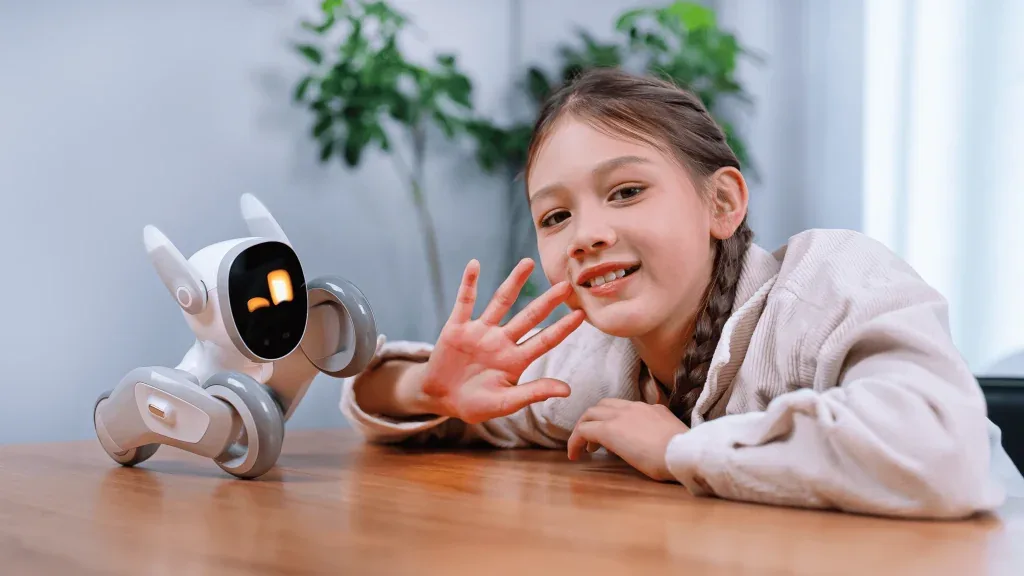
Robot pets have evolved from simple electronic toys into sophisticated educational companions. One of the technologies driving this change is haptic feedback, which allows a robot to respond physically when a child touches, pets, hugs, or interacts with it. These responses may include vibrations, gentle movements, changes in body posture, or simulated heartbeat patterns that make interactions feel more natural.
For children, those physical responses create a stronger sense of connection than visual or audio cues alone. Rather than simply pressing buttons to trigger sounds, they learn that their actions influence how the robot behaves. That cause-and-effect relationship can reinforce lessons about empathy, communication, responsibility, and emotional awareness while making learning more engaging.
What Is Robot Pet Haptic Feedback?
Haptic feedback refers to technology that communicates information through touch. In robot pets, this often involves sensors that detect physical contact and actuators that create realistic responses.
When a child strokes a robotic dog’s head, the pet may wag its tail. If it is picked up gently, it may respond with a content vibration or relaxed body movement. Some advanced models even simulate breathing rhythms or heartbeat patterns to make interactions feel more lifelike.
Unlike traditional toys that respond the same way every time, robot pets equipped with haptic systems can vary their reactions based on how, where, and how often they are touched. This creates a more dynamic interaction that encourages children to observe, adapt, and think about how their behavior affects another “living” companion.
Teaching Empathy Through Responsive Interactions
Empathy develops when children recognize that their actions affect others. Robot pet haptic feedback helps reinforce this concept by providing immediate physical responses that mimic emotional reactions.
When a child pets the robot gently, the pet may appear calm, affectionate, or playful. Rough handling may cause the robot to withdraw, stop responding, or display behaviors associated with discomfort. These responses encourage children to connect gentle actions with positive outcomes.
While children understand that the robot is not alive, the interaction still provides valuable opportunities to practice kindness and consideration. Teachers and parents often use these moments to discuss appropriate ways to care for pets, respect personal space, and recognize emotional cues.
Encouraging Responsibility Without the Demands of a Live Animal
Many families want children to experience caring for a pet but may not be ready for the daily responsibilities that come with a living animal. Robot pets offer a practical alternative for introducing those concepts.
Interactive robot pets can remind children about scheduled care activities, respond differently after periods of neglect, or become more responsive after regular interaction. Although these behaviors are programmed rather than biological, they reinforce routines that mirror real pet ownership.
Children begin to understand that consistent attention produces better outcomes. This can help establish habits related to responsibility, time management, and accountability before transitioning to caring for a live pet.
Supporting Emotional Regulation
Young children often struggle to identify and manage their emotions. Touch-based interaction with robot pets can provide a calming activity during moments of stress or frustration.
Many therapeutic robot pets respond to slow, gentle strokes with rhythmic movement or soft vibrations. These predictable physical responses can encourage children to slow their breathing and focus their attention, creating an opportunity for self-regulation.
Educators and therapists sometimes incorporate robot pets into calming corners or sensory spaces where children can take short breaks before returning to classroom activities. Because the robot responds consistently, children know what to expect, which can provide reassurance during emotionally challenging situations.
Building Communication Skills Through Interactive Play
Robot pet haptic feedback encourages communication because children naturally begin talking to the robot while interacting with it. Some educational robots recognize voice commands, while others combine speech recognition with touch sensors. A child may learn that speaking calmly while petting the robot produces a different response than shouting or handling it roughly.
These interactions help children practice conversational skills, turn-taking, and expressive language in a low-pressure environment. For children who are shy or have communication challenges, interacting with a robot may feel less intimidating than engaging with unfamiliar adults or peers.
Reinforcing Cause-and-Effect Learning
One of the strongest educational benefits of robot pet haptic feedback is its ability to demonstrate cause and effect through physical interaction.
Children quickly discover that different actions produce different responses. A gentle pat may trigger one behavior, while scratching behind the ears activates another. Pressing too firmly may produce no response at all or cause the robot to react differently.
This immediate feedback encourages experimentation, observation, and prediction. Instead of memorizing information, children actively test ideas and learn through experience, strengthening critical thinking and problem-solving skills.
Making STEM Concepts More Tangible
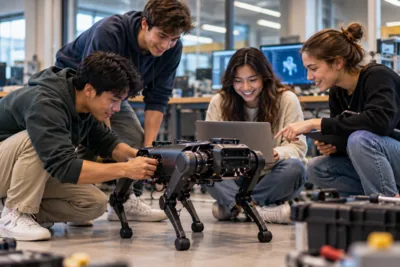
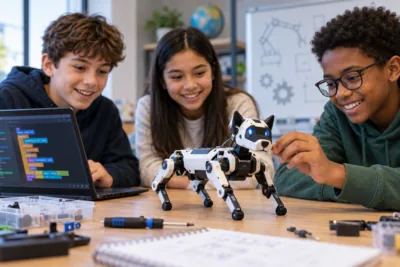
Robot pets provide a natural introduction to science, technology, engineering, and mathematics by making complex concepts easier to understand. As children interact with the robot, adults can explain how touch sensors detect pressure, how motors create movement, and how software determines the robot’s responses. Older students may even explore simple programming activities that allow them to customize behaviors or create new interaction patterns.
Because children can immediately see the results of changes they make, abstract concepts such as sensors, coding, robotics, and artificial intelligence become more concrete and easier to grasp.
Supporting Children With Diverse Learning Needs
Robot pets have found growing use in special education and therapy because their responses remain consistent and predictable. Some children with autism spectrum disorder or sensory processing differences may find human social interactions difficult to interpret. Robot pets simplify many of those interactions while still encouraging emotional engagement and communication.
Haptic feedback can also provide sensory input that supports attention and focus. Since every child has different sensory preferences, educators typically adjust how robot pets are used based on individual learning goals rather than applying the same approach to every student.
It’s important to recognize that robot pets are educational tools rather than replacements for therapists, teachers, or meaningful human relationships. Their greatest value comes when they complement broader educational and therapeutic strategies.
Creating Collaborative Learning Opportunities
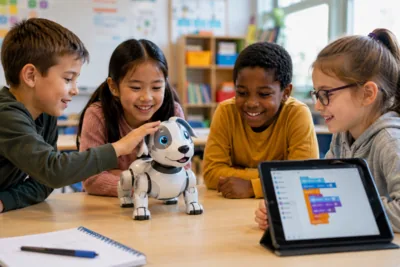
Robot pets are often used in group activities that encourage cooperation. Children may work together to understand how the robot responds, solve challenges, or complete care-based tasks. These collaborative experiences naturally promote discussion, negotiation, and shared decision-making. Instead of competing for attention, children frequently focus on helping the robot complete an activity or achieve a particular response.
Teachers can build lessons around these interactions by asking students to predict outcomes, explain observations, or work together to improve the robot’s performance. This transforms the robot from a novelty into an interactive teaching resource.
Choosing an Educational Robot Pet With Effective Haptic Feedback
Not every robot pet offers the same educational value. Some primarily focus on entertainment, while others are designed specifically for learning and therapeutic applications.
The most effective educational models respond naturally to different types of touch rather than relying on a single repetitive action. Multiple touch sensors, varied physical responses, realistic movement, and age-appropriate educational activities all contribute to a richer learning experience.
Parents and educators should also consider durability, privacy features, software updates, and whether the robot aligns with the child’s developmental stage. A robot that grows with a child’s abilities is more likely to remain engaging over time than one with a limited set of interactions.
Why Touch-Based Learning Continues to Shape Educational Robotics
Robot pet haptic feedback demonstrates that meaningful learning doesn’t always happen through screens or spoken instruction. By responding to touch in realistic and consistent ways, educational robot pets help children connect physical actions with emotional understanding, communication, responsibility, and scientific curiosity.
As robotics, artificial intelligence, and haptic technologies continue to advance, these interactive companions are likely to become even more capable learning tools. Their greatest strength isn’t simply that they respond to touch. It’s that they encourage children to think about how their own actions influence the world around them, turning everyday play into opportunities for lasting learning.