What is the Resale Value of Robot Pets?
Table of Contents
Robot pets are no longer novelty gadgets. Models like Sony’s Aibo and other interactive companions are now treated as long-term tech products with a secondary market of their own. As prices rise and models evolve, many buyers are asking a practical question: What is the resale value of robot pets, and do they actually hold their worth over time?
The short answer is that resale value varies widely. It depends on brand, condition, software support, and how well the device has been maintained. Below is a clear breakdown of what affects resale value and what owners can realistically expect.
How Resale Value Is Measured for Robot Pets
Unlike traditional toys, robot pets behave more like consumer electronics. Their resale value is usually calculated based on:
- Original retail price
- Age of the device
- Physical and functional condition
- Availability of software updates or subscriptions
- Demand for that specific model in the second-hand market
High-end robot pets often retain value better than entry-level models, especially when they are tied to a strong brand ecosystem.
Brand and Model Matter Most
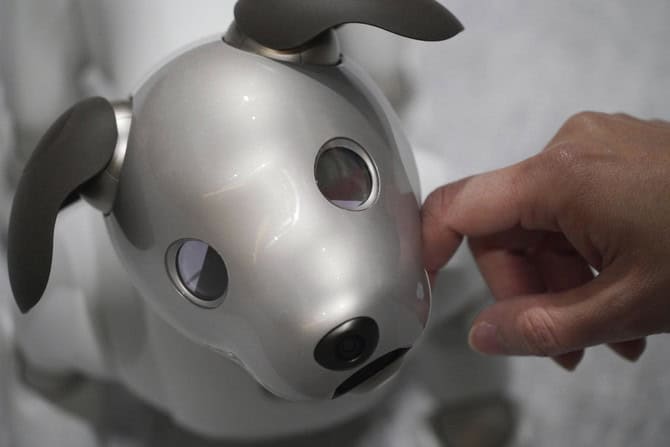
Premium robot pets from established manufacturers generally hold value far better than off-brand or discontinued products. For example, flagship models with advanced AI behavior, sensors, and personality learning tend to attract collectors and tech enthusiasts even years after release.
Lower-cost robot pets aimed at children usually depreciate faster, especially if they lack long-term software support or replacement parts.
Condition and Maintenance Play a Major Role
Just like smartphones or laptops, condition has a direct impact on resale price. Buyers look for:
- Fully functional motors and sensors
- No cracks, loose joints, or damaged casings
- Responsive voice recognition and movement
- Clean exterior with minimal wear
Robot pets that have been stored properly, regularly charged, and updated with official firmware typically command higher resale prices.
Software Support and Subscriptions Affect Value
This is one of the most important and overlooked factors. Many robot pets rely on cloud services, AI updates, or companion apps. Devices that still receive official updates are far more attractive to buyers.
If a robot pet requires a subscription, resale value depends on whether the new owner can activate their own account. Models that become limited or non-functional without active services tend to drop sharply in value once support ends.
Typical Resale Value Ranges
While prices fluctuate by region and demand, resale values generally fall into these ranges:
- Premium robot pets: often retain 40–70% of their original price if well maintained
- Mid-range models: typically resell at 25–50% of retail value
- Entry-level or discontinued models: may fall below 20%, especially without support
Limited editions or well-preserved early-generation models can sometimes exceed average resale expectations due to collector interest.
Collector Demand and Emotional Value

Robot pets occupy a unique space between technology and companionship. Some buyers seek older models for nostalgia, research, or collection purposes. This emotional component can stabilize prices in niche markets, particularly for iconic designs or culturally significant releases.
However, emotional value does not guarantee liquidity. While a robot pet may be meaningful, it can still take time to find the right buyer willing to pay a premium.
How to Maximize Resale Value
Owners looking to protect resale value should focus on:
- Keeping original packaging and accessories
- Avoiding third-party repairs or modifications
- Maintaining active software updates
- Cleaning and storing the robot properly when not in use
Clear documentation, including proof of purchase and maintenance history, also increases buyer confidence.
Is Buying a Robot Pet a Good Long-Term Investment?
Robot pets should not be treated as financial investments in the traditional sense. Most models depreciate, just like other consumer electronics. That said, premium robot pets with strong brand backing and ongoing software support can retain surprising value compared to other smart devices.
For many owners, the real return comes from daily interaction, companionship, and novelty rather than resale alone. Any retained value at resale is best viewed as a bonus, not the primary reason to buy.
Final Takeaway
The resale value of robot pets depends on brand reputation, condition, and long-term software viability. High-end models with active support can hold a meaningful portion of their original price, while lower-end or unsupported devices depreciate quickly. Buyers and sellers alike should evaluate robot pets as living tech products, where care, updates, and usability directly influence market value.