
Your Ultimate Guide to the Best Robot Pets for Loneliness
Loneliness isn’t solved by distraction. It’s reduced through interaction, responsiveness, and a sense of presence. That’s why modern robot pets are no longer just novelty devices. They’re built to simulate engagement through sensors, artificial intelligence, and behavioral feedback.
The best robot pets for loneliness don’t just move or make sounds. They react to you, adapt over time, and create a loop of interaction that makes your environment feel less empty. The difference between a toy and a companion comes down to how deeply it can respond.
Which is the Top Robotic Pet for Loneliness?
Editor's Choice 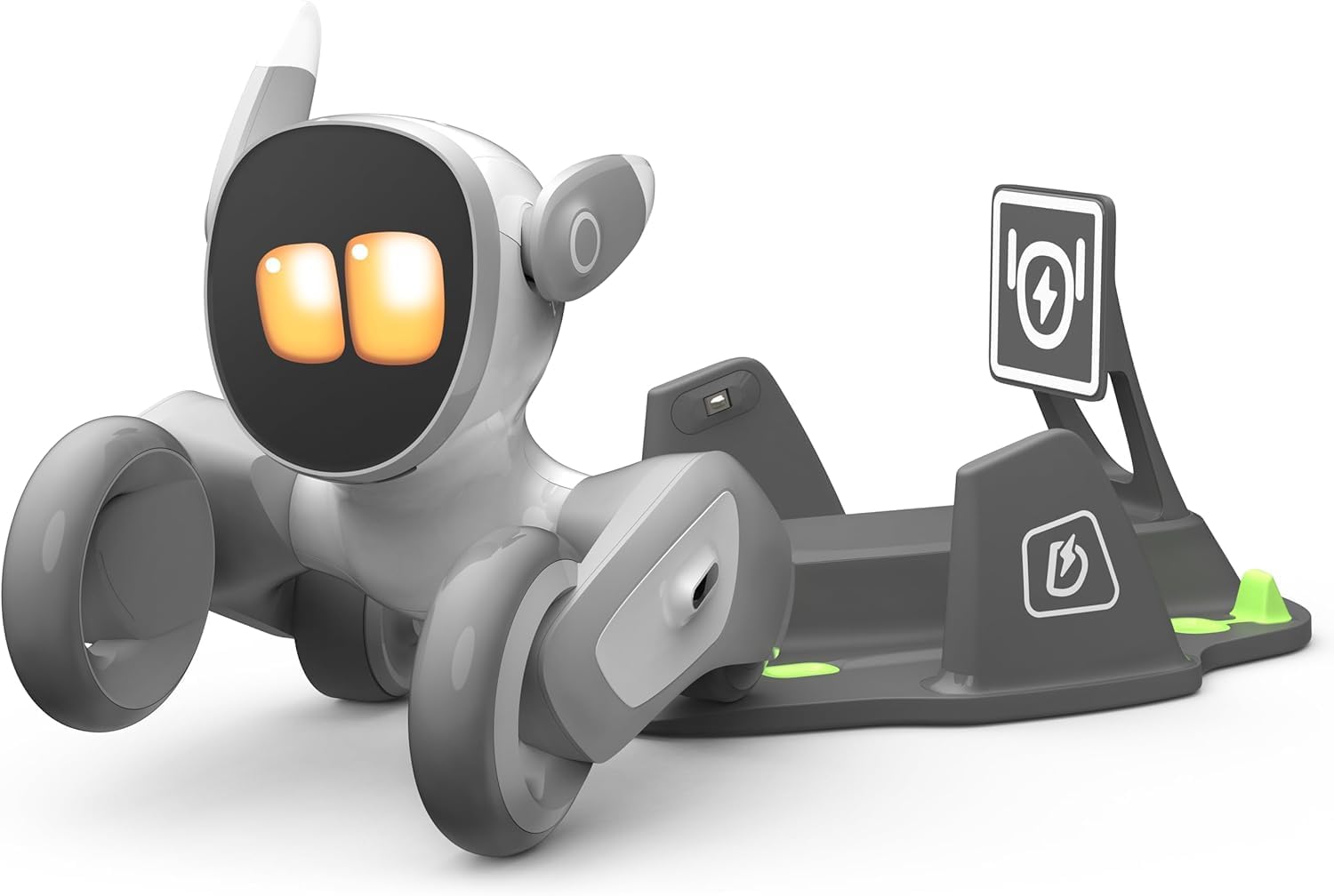 Best Overall | 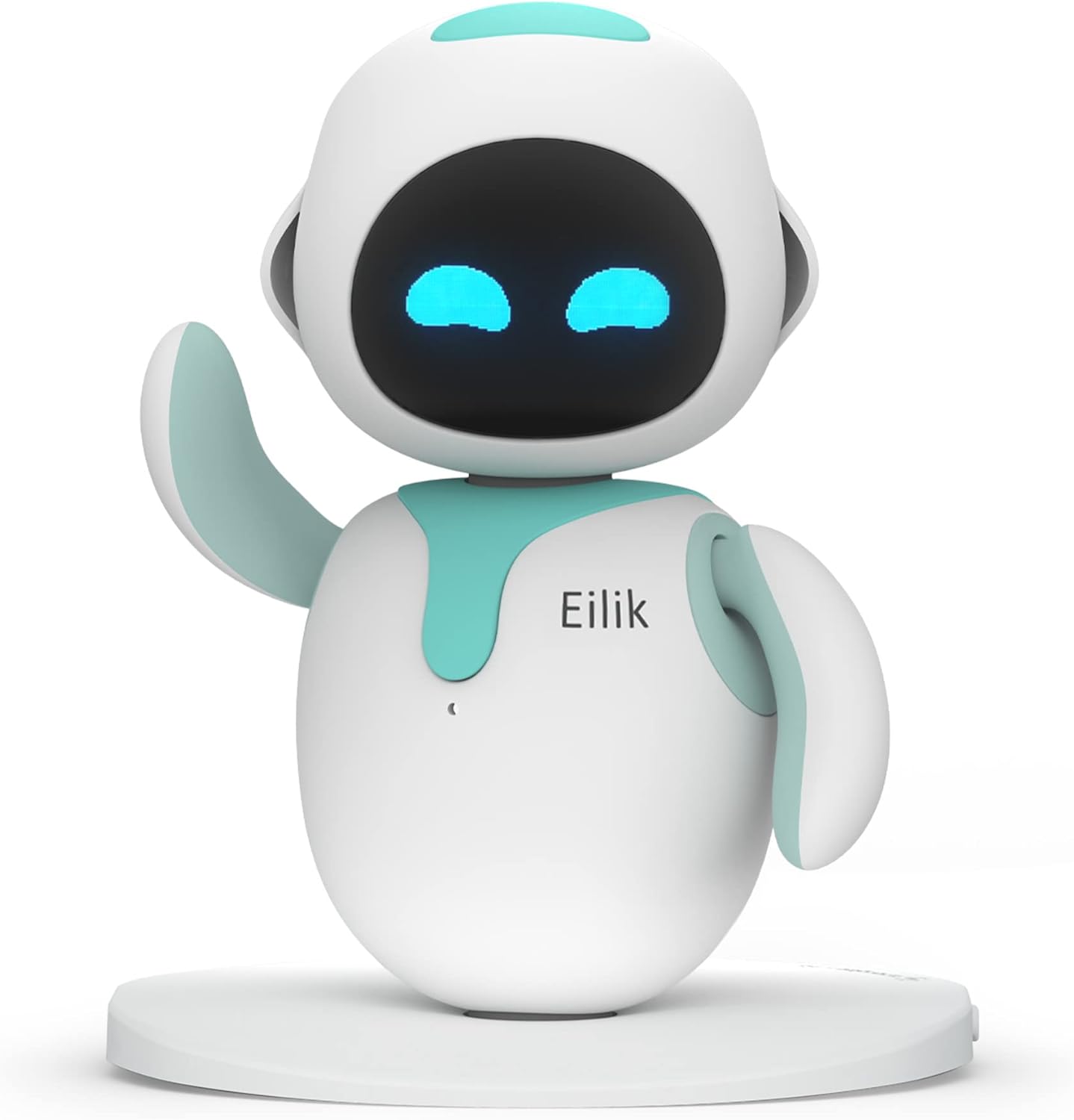 Best Desktop Companion |  Best for Comfort and Simplicity |
Loona Robot Pet DogDelivers the most complete companionship through autonomous movement, real-time tracking, and expressive interaction that keeps your environment active. | Eilik Interactive RobotCreates constant micro-interactions through highly expressive reactions, making it ideal for reducing isolation during long desk hours. | Joy for All Companion CatProvides calm, realistic tactile interaction with predictable responses that make it especially effective in quiet, low-stimulation environments. |
Price:⭐⭐⭐⭐⭐ Functionality: ⭐⭐⭐⭐⭐ Quality: ⭐⭐⭐⭐⭐ | Price: ⭐⭐⭐⭐ Functionality: ⭐⭐⭐⭐⭐ Quality:⭐⭐⭐⭐⭐ | Price: ⭐⭐⭐⭐⭐ Functionality:⭐⭐⭐⭐⭐ Quality: ⭐⭐⭐⭐ |
Let’s Go Over Each Top Robot Pet for Loneliness
#1: Loona Robot Pet Dog
Functionality: ⭐ ⭐ ⭐ ⭐ ⭐
Quality: ⭐ ⭐ ⭐ ⭐ ⭐
Price: ⭐ ⭐ ⭐ ⭐ ⭐
The Loona Robot Pet Dog is one of the most complete robot pets, combining mobility, AI interaction, and environmental awareness into a single system. It’s designed to behave like an active companion rather than a passive device, which makes it particularly effective for reducing long stretches of silence or inactivity.
Loona integrates an HD camera, voice recognition, and multiple sensors to create real-time interaction. The camera allows it to recognize faces and track movement, which means it reacts when you enter a room instead of waiting for input.
Its obstacle detection system enables autonomous navigation, allowing it to move freely without constant supervision. The digital face plays a critical role, displaying expressions that translate its responses into something users can interpret instantly.
This combination of movement, recognition, and expressive feedback creates a layered interaction system rather than isolated features.
In everyday use, Loona feels responsive and proactive. It follows motion, reacts to gestures, and engages without needing constant commands. That continuous activity creates a sense of presence, which is what helps reduce loneliness over time.
Pros and Cons of the Loona Robot Pet Dog
| Pros | Cons |
|---|---|
| ✔️ Strong interaction through camera and sensors ✔️ Autonomous movement adds realism ✔️ Expressive responses improve engagement | ✖️ Needs space to move effectively ✖️ Requires regular charging |
#2. Eilik Interactive Robot
Functionality: ⭐ ⭐ ⭐ ⭐
Quality: ⭐ ⭐ ⭐ ⭐ ⭐
Price: ⭐ ⭐ ⭐ ⭐ ⭐
The Eilik Interactive Robot is a compact emotional companion designed around expressive behavior rather than realism. It focuses on creating personality through reactions, which makes it feel engaging despite its small size.
Eilik uses multiple touch sensors and a highly expressive digital display to communicate emotions. It reacts differently depending on how it’s handled, showing moods such as happiness, frustration, or curiosity.
While it doesn’t include advanced AI learning or environmental navigation, its strength lies in its responsiveness and personality design. The interaction system is built to feel immediate and varied, preventing repetition during short sessions.
It also supports interaction between multiple units, which creates a more dynamic experience if used in pairs.
Eilik feels reactive and expressive. It responds instantly to touch and creates short bursts of interaction that feel engaging. This makes it effective for reducing quiet, passive environments.
Pros and Cons of the Eilik Interactive Robot
| Pros | Cons |
|---|---|
| ✔️ Strong emotional expression through display ✔️ Quick and responsive interaction ✔️ Compact and accessible | ✖️ No advanced AI learning ✖️ Limited autonomy and movement |
#3. Joy for All Orange Tabby Companion Cat

Functionality: ⭐ ⭐ ⭐ ⭐ ⭐
Quality: ⭐ ⭐ ⭐ ⭐ ⭐
Price: ⭐ ⭐ ⭐ ⭐
The Joy for All Companion Cat is designed for comfort through tactile realism. Instead of focusing on AI or movement, it recreates the physical experience of interacting with a real pet.
This robot pet uses built-in touch sensors to respond to petting and holding. It simulates purring, gentle movement, and breathing patterns, which creates a calming interaction.
The design prioritizes consistency, meaning it delivers the same reliable response every time rather than introducing variability. This makes it particularly effective for users who want reassurance without complexity. There’s no setup, no learning curve, and no need to manage features.
The interaction feels calm and steady. It responds to touch and remains quietly present otherwise. This makes it well-suited for environments where subtle companionship matters more than stimulation.
Pros and Cons of the Joy for All Companion Cat
| Pros | Cons |
|---|---|
| ✔️ Realistic synthetic fur ✔️ Responds to the human motion and touch ✔️ Realistic meows and facial expressions | ✖️ Not many tricks |
What Actually Makes a Robot Pet Reduce Loneliness
A robot pet becomes effective when it creates feedback. That feedback can come from touch sensors, voice recognition, or AI-driven behavior.
For example, when a robot responds differently depending on how you interact with it, your brain interprets that as a relationship rather than a device. More advanced robots go further by remembering interactions and adjusting their behavior over time. This creates familiarity, which is one of the key drivers of emotional comfort.
Modern companion robots are increasingly designed around this principle. They combine physical presence with AI to create what researchers call embodied interaction, where the robot isn’t just software but something that reacts in your space.
Types of Robot Pets Based on Interaction Depth
Not all robot pets reduce loneliness equally. The difference comes down to how they interact.
- Basic reactive robots respond to touch or sound but don’t evolve. They provide comfort but can feel repetitive over time.
- Mid-level interactive robots introduce sensors like cameras or microphones. They track movement, respond to commands, and create more dynamic interaction.
- High-end AI companions go further by learning behavior. They adapt to how you interact with them, creating a sense of personality. This is where robot pets start to feel less like devices and more like companions.
How to Choose the Right Robot Pet for Loneliness
The right choice depends on how you experience loneliness. If your environment feels quiet and empty, a reactive or emotional robot may be enough. These create comfort without requiring engagement.
If your issue is a lack of stimulation, interactive robots with movement and AI will be more effective. They create activity and break monotony. For users who want a deeper connection, AI-driven companions that learn behavior provide the strongest long-term impact. They evolve, which keeps interaction from feeling repetitive.
What Robot Pets Can Realistically Replace
Robot pets can replicate presence and interaction, but they don’t replace human relationships. They fill gaps. They reduce silence, create routine, and introduce engagement into daily life. For many people, that’s enough to significantly reduce feelings of isolation.
Editor’s Choice
Loona Robot Pet Dog
The Loona Robot Pet Dog stands out because it combines three core elements that most robot pets only offer separately: real-time environmental awareness, expressive feedback, and autonomous movement.
Its HD camera and sensors allow it to recognize faces, track motion, and respond instantly when you enter a room, which creates a sense of presence instead of requiring manual interaction. This matters for loneliness because interaction isn’t something you have to initiate.
The robot actively engages with you, following you, reacting to gestures, and displaying emotions through its animated face.