Robot Pet Therapy Integration in School Settings for Autism
Table of Contents
The world of autism therapy is changing fast, and one exciting development is the integration of robot pet therapy in schools. These lifelike, interactive companions are proving to be more than just high-tech toys. They’re becoming valuable tools to support social, emotional, and behavioral growth for students with autism spectrum disorder (ASD).
What Is Robot Pet Therapy?
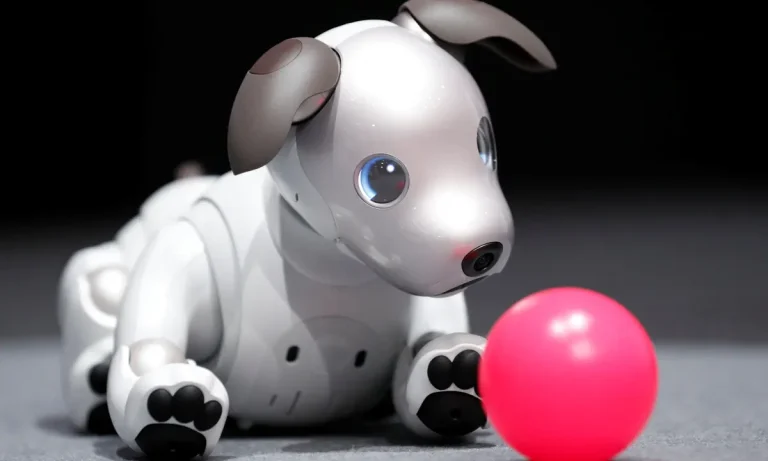
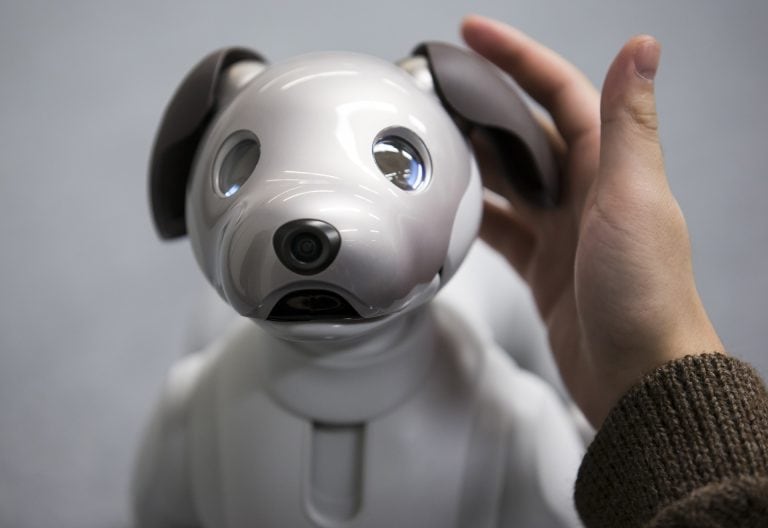
Robot pet therapy involves the use of interactive robotic animals, such as dogs, cats, or even seals, that mimic lifelike movements and sounds. Unlike real pets, these robots don’t require feeding or grooming, and they eliminate concerns about allergies or unpredictable behavior.
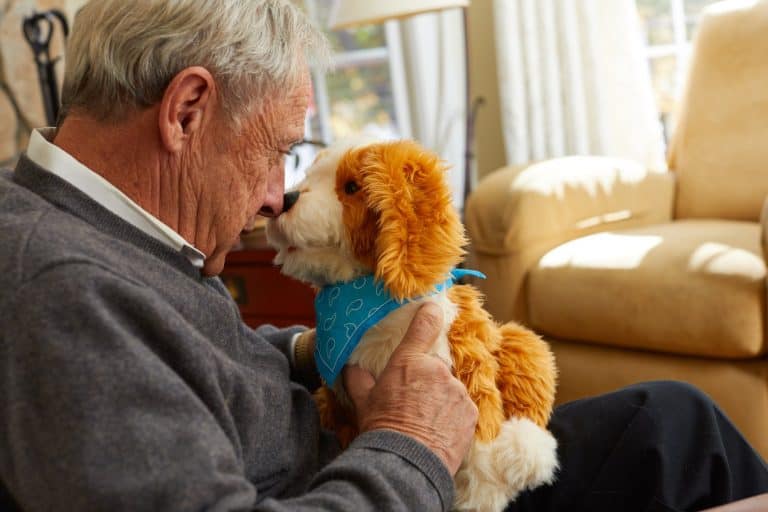
Originally designed for elderly care and dementia support, robot pets are now being adapted to help children with autism improve communication, reduce anxiety, and build emotional connections in a safe, nonjudgmental way.
How Robot Pet Therapy Benefits Students with Autism
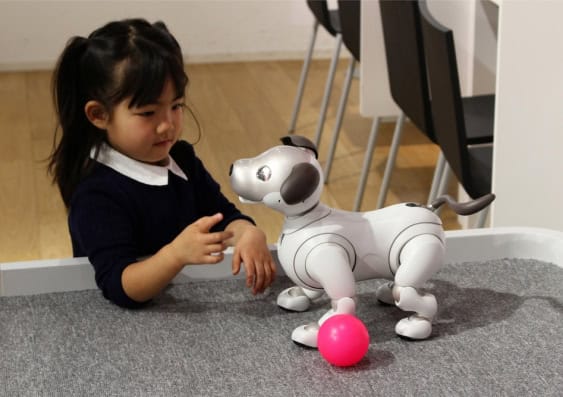
Students on the autism spectrum often face challenges with social interaction, emotional regulation, and sensory processing. Robot pets offer unique advantages in helping children manage these experiences within school environments.
Here are some of the most impactful benefits:
Non-threatening Interaction
Children with autism may feel overwhelmed by human interaction or struggle with reading social cues. Robot pets provide a safe and calming presence, encouraging students to practice communication in a low-pressure setting.
Consistent and Predictable Behavior
Unlike live animals, robotic pets behave consistently, which is key for children who rely on routine. The predictability of robot pets can help reduce anxiety and promote trust.
Sensory Engagement
Many robot pets have soft fur, gentle vibrations, or soothing sounds that offer sensory stimulation without being overwhelming. This helps regulate emotional responses and can calm students during meltdowns or transitions.
Improved Focus and Participation
Teachers have observed that students who interact with robot pets often show increased focus, greater willingness to participate in classroom activities, and even improved verbal communication.
How Schools Are Implementing Robot Pet Therapy
Classroom Integration
Some schools are using robot pets as part of daily routines, allowing students to “check in” with their robotic companion during emotional breaks or social skills training sessions.
Special Education Programs
In special education classrooms, robot pets are integrated into individualized education plans (IEPs), supporting goals like improving eye contact, initiating communication, or learning empathy.
Therapy Sessions
Speech-language pathologists, occupational therapists, and school psychologists have begun incorporating robot pet interactions into sessions to motivate students and track developmental progress.
Real-World Examples and Case Studies

PARO the Seal, a therapeutic robot originally used in healthcare settings, has been introduced in some US schools. Educators report that students with autism are more engaged and communicative when interacting with the robot.
In New York public schools, robotic dogs have been piloted in inclusive classrooms, helping build friendships and reducing isolation among children with ASD.
These examples highlight a growing trend: technology, when used thoughtfully, can be a game-changer in autism education.
Are Robot Pets a Replacement for Traditional Therapy?
No. Robot pet therapy is not intended to replace traditional therapies like ABA (Applied Behavior Analysis), occupational therapy, or speech therapy. Instead, it’s a complementary tool that can enhance engagement and emotional regulation, making other therapies more effective.
Challenges and Considerations
While robot pet therapy holds great promise for supporting children with autism in schools, it also comes with a few practical challenges that educators and administrators need to consider.
Cost
High-quality therapeutic robot pets can be expensive, often ranging from several hundred to a few thousand dollars. For public schools or programs with limited budgets, securing funding for even a small number of units may require grants, donations, or support from local education departments.
Training
Teachers, aides, and therapists must be properly trained on how to use robot pets effectively in educational and therapeutic settings. Without proper instruction, these tools may not be used to their full potential, reducing their impact on students’ progress.
Maintenance
Although robotic pets eliminate many of the unpredictable elements of live animals, they still require regular care, such as battery charging, software updates, and occasional technical repairs. Schools must be prepared to handle these logistical tasks to ensure the longevity and consistent availability of the devices.
Despite these challenges, many educators believe that the benefits far outweigh the limitations, especially when robot pets are used as part of a broader strategy to support neurodiverse learners.
The Future of Robot Pet Therapy in Schools
As technology becomes more accessible, robot pet therapy may soon become a staple in special education programs across the United States. With ongoing research and positive feedback from both educators and families, the potential for robot pets to make a meaningful difference in the lives of students with autism continues to grow.
Final Thoughts
The integration of robot pet therapy in school settings offers a promising new way to support children with autism. By providing predictable, soothing companionship, robotic pets can encourage communication, reduce anxiety, and enhance learning in a structured, supportive environment.
As schools look for innovative tools to support neurodiverse learners, robot pets may be one of the most heartwarming, and effective, technological advancements yet.