Robot Pets and Sensory Stimulation: Autism Therapy Insights
Table of Contents
Robot pets are emerging as promising tools in autism therapy, offering both emotional comfort and controlled sensory stimulation. For individuals on the autism spectrum, who often experience sensory processing challenges, these robotic companions may provide a calming and consistent way to engage, learn, and connect.
In this article, we’ll explore how robot pets support therapy goals, what research says about their effectiveness, and how they compare to live animals or other interventions. We’ll also address common questions parents, educators, and caregivers might have.
How Do Robot Pets Help Children with Autism?
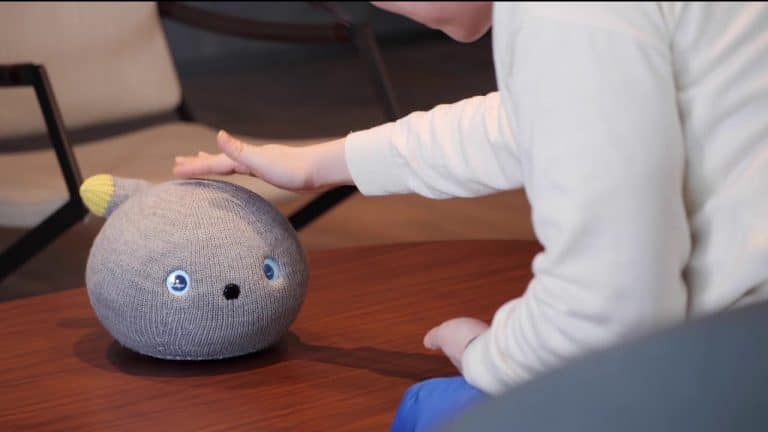
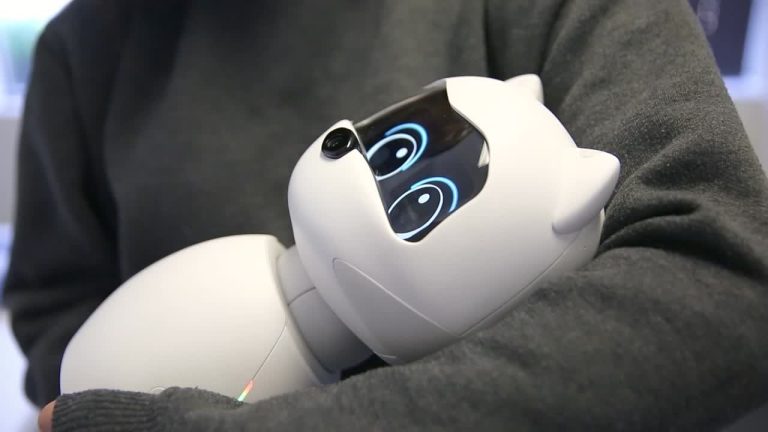
Robot pets are designed to simulate the appearance, sounds, and sometimes movements of real animals. For children with autism spectrum disorder (ASD), they offer:
- Predictable sensory input: Unlike real animals, robot pets behave in consistent ways, which reduces anxiety and sensory overload.
- Non-judgmental interaction: They offer companionship without social pressure or unpredictable reactions.
- Reinforcement of social and emotional skills: Children can practice empathy, turn-taking, and communication in a low-pressure setting.
One well-known therapeutic robot is PARO, a soft robotic seal used in both elder care and autism therapy. It responds to touch and sound, providing soothing feedback that encourages interaction and attention.
What Kind of Sensory Input Do Robot Pets Provide?

Robot pets can be programmed to offer a variety of sensory experiences:
- Auditory: Gentle purring, barking, or other comforting sounds
- Tactile: Soft fur, vibrating movements, warm surfaces
- Visual: Blinking lights, eye movement, responsive gestures
Why Is Sensory Stimulation Important in Autism Therapy?
Many individuals with autism are either hypersensitive or hyposensitive to sensory input. Controlled stimulation from robot pets helps:
- Encourage sensory exploration
- Improve tolerance to touch and sound
- Promote calmness during stressful situations
Are Robot Pets Better Than Real Animals for Autism Therapy?
While animal-assisted therapy (AAT) has well-documented emotional and behavioral benefits, it’s not always suitable for every child, particularly those with sensory processing difficulties, fear of animals, or allergies. In such cases, robot pets can be a more accessible and consistent alternative.
| Feature | Robot Pets | Real Animals |
| Predictability | High – preprogrammed, consistent behaviour | Low – animals can behave unpredictably |
| Allergens | Hypoallergenic – no fur, dander, or saliva | Potential allergens from fur and dander |
| Cost & Maintenance | One-time purchase, low upkeep | Ongoing costs (food, vet care, grooming) |
| Safety | No risk of bites, scratches, or aggression | Varies based on animal and situation |
| Training Needs | None – behavior is built-in | Requires time, training, and reinforcement |
| Sensory Control | Adjustable – volume, vibration, movement | Cannot be easily controlled |
| Emotional Bonding | Simulated through feedback and consistency | Genuine, emotionally intuitive interaction |
What Types of Robot Pets Are Used in Autism Therapy?

Robot pets vary in complexity, design, and sensory features. Common models include:
- PARO the seal – Soft, therapeutic, responds to voice and touch
- AIBO robotic dog – Interactive, capable of learning behavior
- Joy for All Companion Pets – Cat and dog robots with realistic purring, movements, and fur
Each model offers different sensory and therapeutic benefits based on the child’s preferences and therapeutic goals.
How Can Robot Pets Be Integrated into a Therapy Plan?
Robot pets can play a meaningful role in autism therapy when thoughtfully introduced and tailored to the child’s specific needs. Below is a step-by-step guide to help therapists, parents, and educators effectively incorporate robot pets into a therapeutic setting.
Consult with a Specialist to Personalize the Approach
Before introducing any robot pet, it’s essential to speak with a qualified professional, such as a developmental pediatrician, occupational therapist, or behavioral therapist. These experts can help assess:
- The child’s sensory profile (e.g., are they sensitive to touch, sound, or light?)
- Triggers or stressors that should be avoided
- The most appropriate robot model based on therapeutic goals
This ensures the robot pet is introduced in a way that supports—not overwhelms—the child’s development and comfort.
Start with Gentle, Gradual Exposure
Children with autism may be hesitant or anxious around new stimuli. Instead of turning the robot pet on immediately or placing it directly in front of the child, try:
- Displaying the pet from a distance and allowing the child to observe
- Demonstrating the robot’s features slowly, such as soft purring or minimal movements
- Giving the child time to initiate interaction at their own pace
Gradual exposure builds trust and reduces the risk of overstimulation, especially if the child has previously reacted negatively to unexpected sensory input.
Use in Combination with Other Therapeutic Tools
Robot pets should be seen as complementary tools rather than standalone solutions. Their impact is often maximized when used alongside:
- Social stories that explain appropriate interactions and emotions
- Sensory integration activities, such as weighted blankets or texture exploration
- Speech or play therapy sessions, where the robot can act as a communication prompt
For example, a therapist might use the robot pet to encourage a child to label emotions (“The cat is happy! Can you show me a happy face?”) or practice turn-taking during play.
Adjust the Robot’s Features Based on the Child’s Feedback
Most modern robot pets come with settings that control volume, movement speed, response frequency, or even LED brightness. Observing how a child reacts allows caregivers to fine-tune these features:
- If the child flinches at sudden movement, reduce or disable motion features
- If the sounds are too loud or distracting, lower the volume or mute the pet
- If the child enjoys tactile input, encourage gentle stroking or hand-over-hand petting
Monitoring these responses closely helps ensure the robot remains a calming and positive experience.
Incorporate into Daily Routines or Transitions
To increase comfort and consistency, try integrating the robot pet into specific parts of the child’s daily schedule:
- Use it during morning routines as a calming companion
- Introduce it before stressful transitions (like moving between classes or bedtime)
- Bring it into social skills groups to encourage peer interaction
Embedding the robot into familiar routines helps build associations with safety and regulation, making it a trusted source of comfort over time.
Track Progress and Reassess Regularly
Like any therapeutic tool, the effectiveness of robot pets should be reviewed consistently. Keep notes or use checklists to track:
- Changes in the child’s sensory tolerance
- Increases in communication, eye contact, or engagement
- Shifts in emotional regulation or anxiety levels
Therapists and parents can work together to make adjustments or determine if the child is ready to try more dynamic forms of therapy, such as interacting with live animals or engaging in peer-based social exercises.
What Are the Limitations of Robot Pet Therapy?
While beneficial, robot pets are not a one-size-fits-all solution.
- Not all children respond positively—some may still be overwhelmed or disinterested.
- Limited emotional feedback—robots can’t fully replicate natural affection or emotional intuition.
- Dependency risk—some children may form strong attachments and avoid human interaction.
Final Thoughts: Are Robot Pets Worth Considering?
For many families and therapists, robot pets are an exciting and accessible addition to autism therapy. They offer unique advantages in predictability, sensory regulation, and emotional safety, especially for children who might be overwhelmed by traditional interventions.
When thoughtfully integrated, these robotic companions can foster a sense of comfort, connection, and curiosity—qualities that lie at the heart of effective autism support.
FAQs
Can robot pets help with meltdowns or overstimulation?
Yes, some robot pets provide calming sensory input that can help soothe a child during episodes of sensory overload. However, responses vary by individual.
Are robot pets suitable for schools and group settings?
Yes, many schools now incorporate robot pets in sensory rooms or special education classrooms to support social learning and emotional regulation.
Do robot pets replace the need for a therapist?
No. They are tools that complement therapy—not a substitute. Therapists still play a central role in designing and monitoring treatment plans.