Longevity Test: Assessing the Durability and Wear of Robot Pets
Table of Contents
Robot pets have quickly become popular alternatives to traditional pets, especially for those who want companionship without the demands of feeding, walking, or cleaning up after a living animal. But how well do these mechanical companions hold up over time? This longevity test dives into what affects the durability and wear of robot pets, what to look out for, and how to ensure your robo-friend lasts for years.
What Is a Longevity Test for Robot Pets?
A longevity test evaluates how well a robot pet performs over extended periods of usage. This includes assessing wear and tear on mechanical parts, software stability, battery efficiency, and long-term responsiveness.
These tests simulate real-world conditions, such as frequent movement, repeated interactions, and charging cycles, to determine the expected lifespan of the robot pet.
What Parts of a Robot Pet Are Most Prone to Wear?

Several components of robot pets experience stress from daily use:
- Joints and motors: These handle constant movement and can become noisy or unresponsive.
- Battery and charging port: Over time, charging capacity can diminish.
- Touch sensors and microphones: These may lose sensitivity or malfunction with heavy use.
- Plastic housing and outer coating: Often subject to scratches, cracks, or fading from handling or sunlight.
Understanding which parts wear out first can help you maintain them better or choose more robust models.
How Do Robot Pets Hold Up Over Time?
Durability varies significantly by brand and usage habits. On average:
- Entry-level models may show wear after 6–12 months of frequent use.
- Mid-range robot pets typically last 2–3 years with proper care.
- Premium models with better engineering and replaceable parts can last 5 years or more.
Routine maintenance, proper storage, and avoiding overcharging can extend lifespan.
What Is the Average Lifespan of a Robot Pet?
The average robot pet lasts between 2 to 5 years depending on:
- Frequency of use
- Charging habits
- Environment (indoor vs. outdoor)
- Brand and model quality
Models intended for children or therapy use may wear out faster due to constant handling.
What Materials Are Best for Durability in Robot Pets?
Material choice is a major factor in durability.
- High-impact ABS plastic resists cracking and is used in many quality models.
- Soft silicone skins may enhance realism but wear faster with heavy use.
- Rubberized feet or wheels are great for traction and reduce motor stress.
When shopping, always check product specs for durability indicators and warranty length.
Can Software Issues Affect Robot Pet Longevity?
Yes. Software bugs, outdated firmware, or app compatibility issues can cause performance to degrade even if the hardware is still functional.
Tips to Ensure Long-Term Software Performance
- Back up settings or behavior data if available.
- Keep firmware updated through official channels.
- Avoid third-party apps or modifications that void warranties.
How to Perform Your Own Longevity Test at Home
If you want to assess how your robot pet is holding up, try this:
- Track battery life over time – Is it lasting shorter between charges?
- Observe joint performance – Are any limbs stiff or slow?
- Test response time – Is it still reacting quickly to commands or touch?
- Inspect physical damage – Look for scratches, wear, or discoloration.
- Check software stability – Are there frequent reboots or crashes?
Create a usage log to track changes over time and spot trends.
Are Robot Pets Repairable or Replaceable?
Some higher-end robot pets offer:
- Replaceable batteries
- Upgradeable firmware
- Manufacturer repair services
- Third-party spare parts
Budget-friendly models, however, may not be designed with repair in mind and could require full replacement once major issues arise.
How Can You Prolong the Life of a Robot Pet?
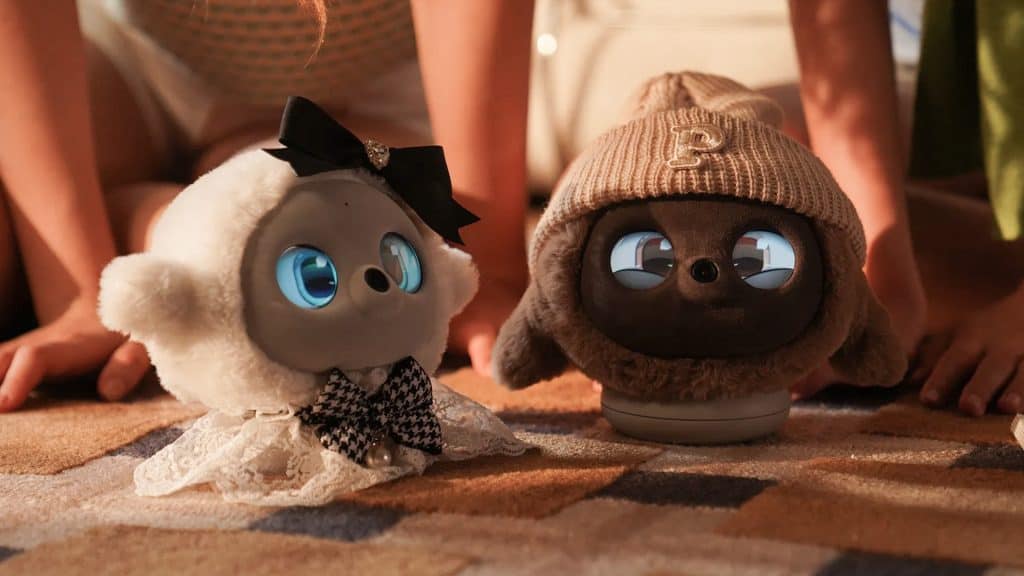
To get the most out of your investment:
- Handle with care and avoid dropping or rough use.
- Store in a cool, dry place away from direct sunlight.
- Use only the recommended charging cable and avoid overcharging.
- Clean with a soft, dry cloth. Avoid moisture or harsh chemicals.
- Update software regularly and follow manufacturer care instructions.
What Are the Most Durable Robot Pet Brands?
While durability varies, brands like Sony (Aibo), TOMY, and WowWee are often noted for long-term performance and build quality.
When choosing a robot pet, look at:
- Past versions and upgrade paths
- User reviews focused on longevity
- Availability of parts or support
Frequently Asked Questions
How long does a typical robot pet battery last per charge?
Most last between 1 to 4 hours depending on the model and functions used.
Can children use robot pets without damaging them?
Yes, but supervision is advised. Kids may unintentionally drop or overwork sensitive components.
Is it worth buying an extended warranty?
If available, yes, especially for premium models. Repairs can be costly and warranties offer peace of mind.
Do robot pets degrade faster in humid environments?
Yes. Humidity can affect electronics and battery health, so store robot pets in climate-controlled areas when possible.

![The Total Cost of Robot Pet Ownership [CALCULATED]](https://www.robotpetfriends.com/wp-content/uploads/2025/10/total-cost-of-robot-pet-ownership-768x432.jpg)