Testimonials on Haptic Feedback in Robot Pet Interactions: A Deep Dive
Table of Contents
Robot pets have evolved far beyond simple toys that bark, meow, or wag their tails. Advances in artificial intelligence, tactile sensors, and haptic technology have created companions capable of responding to touch in surprisingly lifelike ways. Among these innovations, haptic feedback stands out as one of the features users notice almost immediately.
Reading testimonials on haptic feedback in robot pet interactions reveals a common theme: realistic touch changes how people connect with robotic companions. While voice recognition and facial expressions certainly contribute to the experience, physical feedback often determines whether a robot feels mechanical or genuinely interactive.
From children and busy professionals to older adults seeking companionship, users consistently describe haptic feedback as the feature that makes interactions feel natural rather than scripted.
Why Haptic Feedback Matters More Than Most People Expect
Humans naturally communicate through touch. A pat on the shoulder, a gentle hug, or stroking a pet all create emotional responses that words alone can’t replicate.
Robot pets equipped with haptic feedback attempt to recreate part of that experience by combining pressure sensors, vibration motors, force detection, and intelligent software. Instead of simply reacting to button presses, these systems interpret different kinds of touch and generate responses that match the interaction.
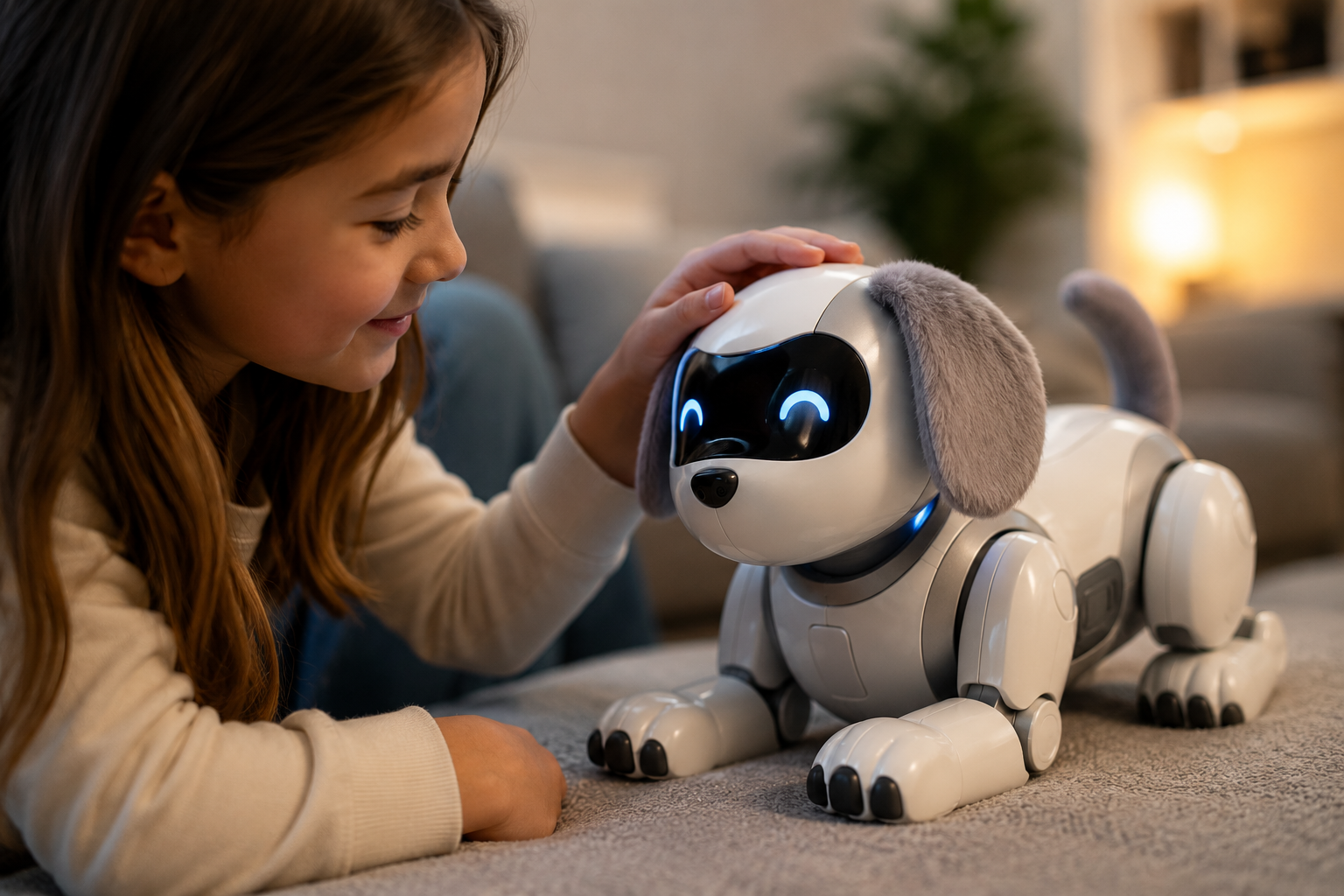
For example, gently stroking a robotic cat may cause it to purr softly while subtly shifting its body weight. A firmer pat might produce a playful movement or a happy sound. Some robotic dogs respond differently when scratched behind the ears compared with being tapped on the back.
Users often describe these subtle reactions as surprisingly convincing because they mirror behaviors associated with living animals.
Testimonials Frequently Mention Emotional Realism
One of the strongest themes across customer experiences is emotional immersion. Many first-time owners admit they expected the technology to feel gimmicky. After spending several days with a robot pet featuring advanced haptic feedback, however, they found themselves treating it less like a gadget and more like a companion.
Several users describe unconsciously reaching out to pet their robot while watching television or working at a desk. Others mention that the tactile responses encourage repeated interaction because each touch receives a meaningful reaction instead of a generic animation. This emotional realism doesn’t necessarily convince users that the robot is alive. Rather, it creates enough responsiveness to make interactions satisfying and enjoyable.
Families Appreciate More Interactive Play
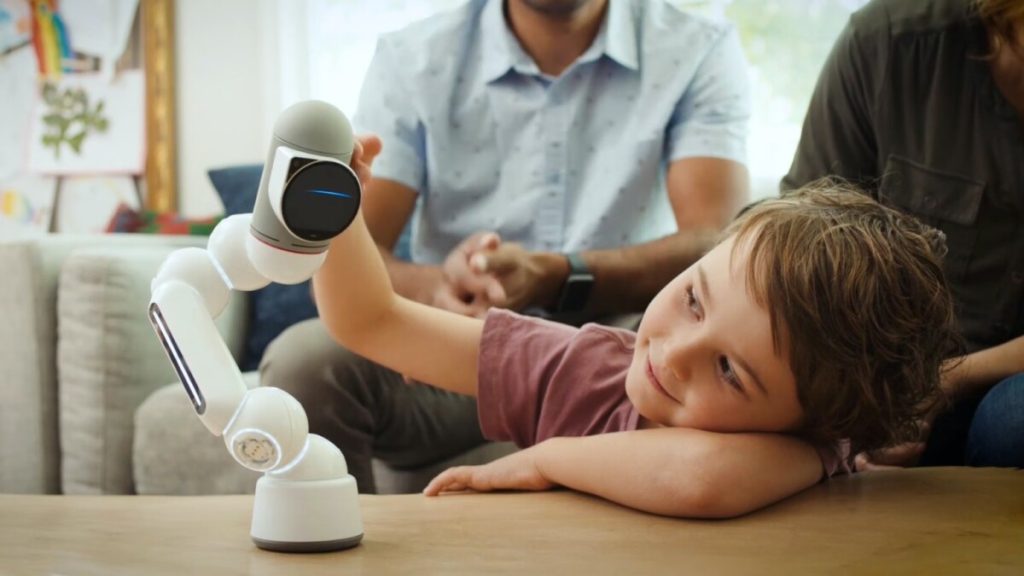
Parents frequently mention that younger children engage with robot pets differently when touch responses feel realistic. Instead of repeatedly pressing buttons to trigger sounds, children begin experimenting with gentle strokes, cuddles, or playful taps to discover how the robot reacts. This type of exploratory play tends to last longer because the experience feels dynamic rather than repetitive.
Some parents also appreciate that responsive robot pets encourage children to practice gentle handling. Since the robots react differently depending on how they’re touched, children naturally learn that softer interactions produce calmer responses.
Although these experiences don’t replace caring for a real animal, many families view them as an accessible introduction to responsible interaction with pets.
Older Adults Often Value Comfort Over Entertainment
Testimonials from older adults frequently focus less on technology and more on companionship. Many users appreciate the calming routine of holding a robotic pet while reading, watching television, or relaxing. Haptic feedback contributes significantly because the robot appears to acknowledge physical affection instead of remaining motionless.
For individuals living alone or those unable to care for live animals due to mobility limitations, allergies, or housing restrictions, responsive touch creates a stronger sense of connection. Caregivers have also noted that interactive robot pets can encourage conversation and engagement in assisted living environments. While they’re not medical devices or replacements for human interaction, they often serve as comforting companions during quiet moments.
Robot Pet Owners Notice the Difference Between Basic and Advanced Haptics
Not every robot pet offers the same level of tactile interaction. Users who have upgraded from entry-level models often comment that the difference is immediately noticeable.
Basic systems generally react only when a specific sensor is pressed. The response tends to be identical each time, making interactions predictable after only a few minutes. Advanced haptic systems introduce more nuanced behavior by combining several technologies:
- Multiple pressure sensors across the body
- Force-sensitive touch detection
- Motion tracking
- AI-driven behavioral responses
- Variable vibration patterns
- Context-aware reaction algorithms
These improvements make interactions feel less repetitive because the robot’s behavior changes depending on where, how, and when it’s touched.
The Most Appreciated Haptic Features According to User Experiences
Although preferences vary between robot pet models, several features consistently appear in positive testimonials. Owners frequently describe these small details as individually subtle but collectively transformative.
Responsive Purring
Responsive purring remains one of the most popular. Rather than playing a simple audio recording, advanced robots synchronize subtle body vibrations with purring sounds, creating the sensation of holding a content animal.
Dynamic Body Movement
Many owners also enjoy dynamic body movement. Slight weight shifts, stretching motions, ear movements, and breathing simulations add another layer of realism that complements tactile feedback.
Temperature Simulation
Temperature simulation receives favorable comments as well. Some premium robot pets gently warm their exterior, making them feel more lifelike during prolonged interaction.
Haptic Feedback Creates More Personalized Interactions
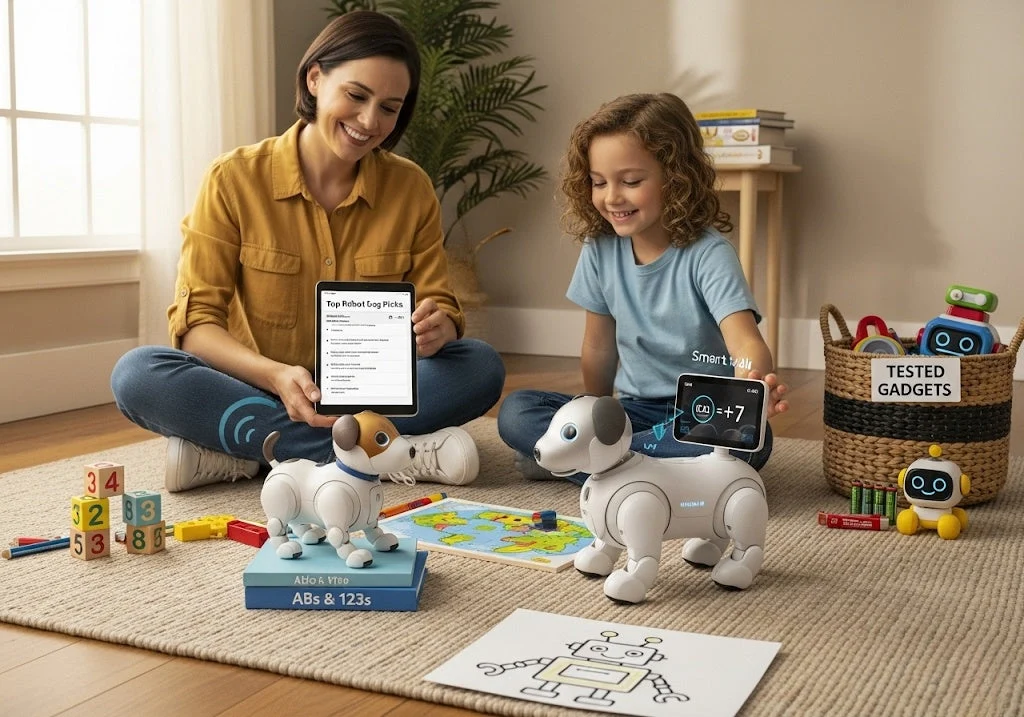
Modern robot pets increasingly use machine learning to adapt their responses over time. Instead of repeating identical behaviors indefinitely, some systems recognize preferred interaction patterns. A robot may become more playful after frequent energetic interaction or respond more calmly if the user typically pets it gently.
Testimonials often mention that these evolving behaviors make long-term ownership more enjoyable. People tend to stay engaged because the robot appears to develop its own personality, even though the responses are generated through algorithms rather than genuine emotions. This personalization helps reduce one of the biggest criticisms of earlier robotic companions: repetitive behavior that quickly became predictable.
Trade-Offs Users Commonly Mention
Even highly positive testimonials acknowledge that haptic technology still has limitations.
Cost
Some users note that premium haptic systems significantly increase the overall cost of a robot pet. Advanced sensors, actuators, and AI software require more sophisticated hardware, making flagship models considerably more expensive than entry-level alternatives.
Batter Life
Battery life can also become shorter when continuous tactile sensing and motion systems operate throughout the day.
Comparison with Living Animals
A few owners mention that expectations matter. While haptic feedback creates convincing interactions, it cannot perfectly replicate the warmth, unpredictability, or emotional complexity of a living animal. Most satisfied owners view robot pets as a distinct category of companion rather than a direct replacement for traditional pets.
What Prospective Buyers Can Learn From User Testimonials
Reading testimonials on haptic feedback in robot pet interactions offers valuable insights beyond product specifications. Technical descriptions can explain sensor placement, vibration motors, and artificial intelligence, but user experiences reveal how those technologies affect daily life.
Consistently positive reviews emphasize that responsive touch increases emotional engagement, encourages more frequent interaction, and makes robot pets feel less like electronic devices. The most satisfying experiences typically come from models that combine haptic feedback with intelligent behavioral software, realistic movement, and adaptive learning rather than relying on touch responses alone.
For buyers comparing robot pets, testimonials often provide the clearest picture of whether a model delivers interactions that remain enjoyable long after the novelty wears off. As haptic technology continues to advance, touch is likely to play an even greater role in shaping the future of human-robot companionship, making testimonials on haptic feedback in robot pet interactions an increasingly valuable resource for anyone considering a robotic companion.