How Manufacturers Design Immersive Robot Pet Experiences with Haptic Feedback
Table of Contents
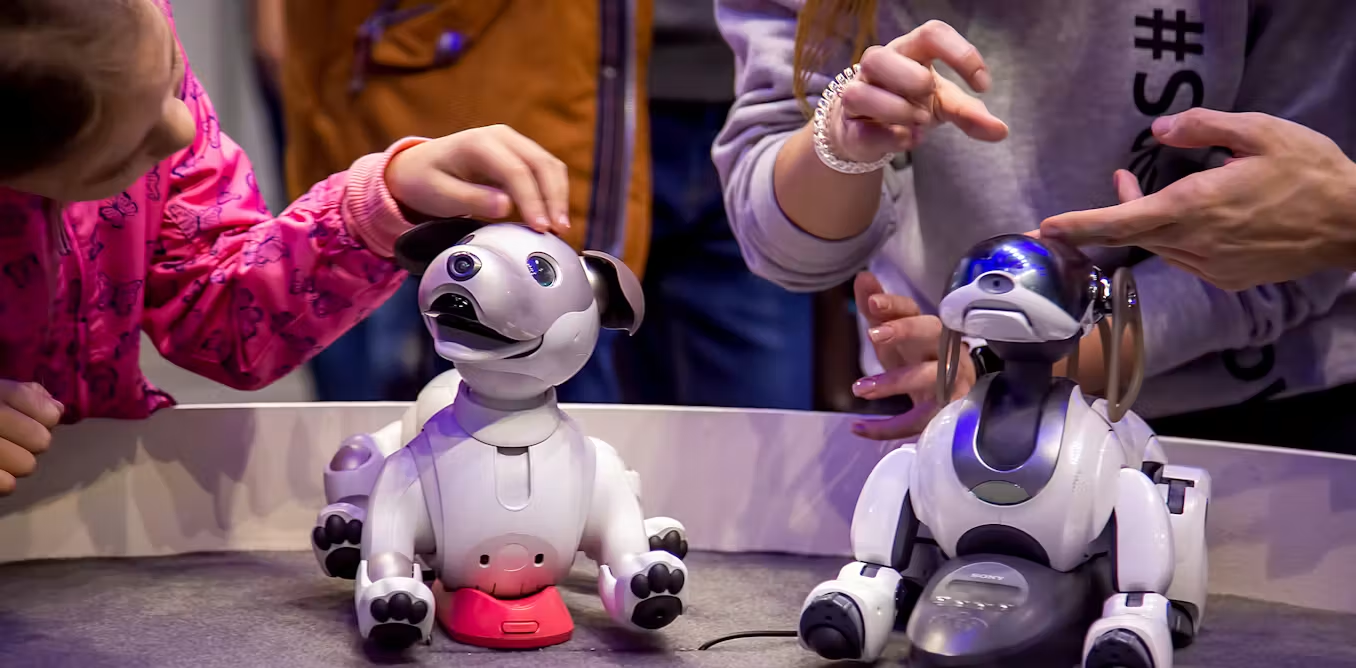
Robot pets have come a long way from simple toys that barked, wagged their tails, or repeated prerecorded actions. Today’s companion robots can recognize touch, adapt to user behavior, respond with realistic movements, and create interactions that feel surprisingly natural. Many consumers are no longer purchasing robotic pets solely because they’re entertaining. They’re looking for companionship, emotional engagement, and experiences that feel authentic.
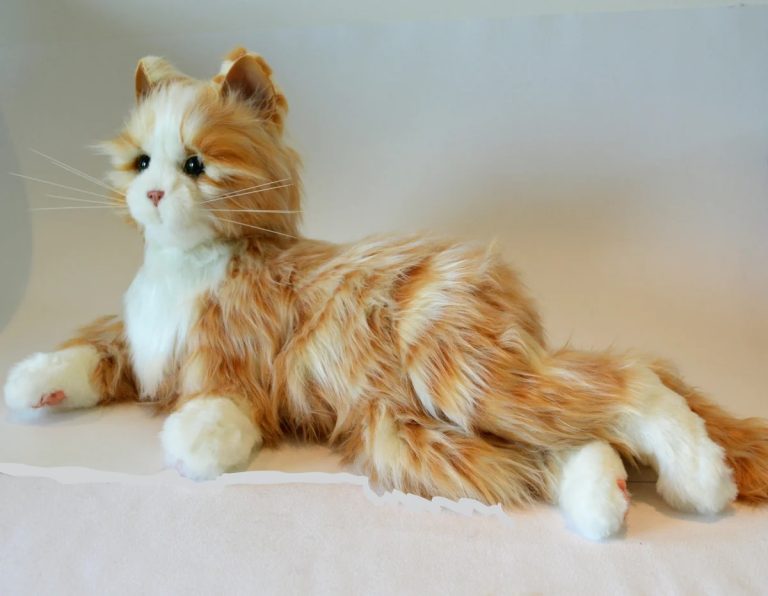
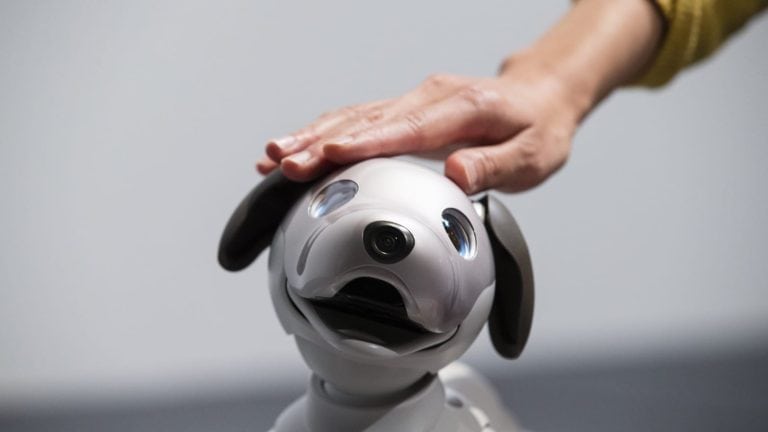
One of the biggest reasons modern robot pets have become more believable is the advancement of haptic feedback technology. Combined with artificial intelligence, machine learning, sensors, and sophisticated robotics engineering, haptic systems help bridge the gap between a machine and a living companion. When a robotic dog leans into a petting motion or a robotic cat responds differently to a gentle stroke versus a firm touch, the experience feels far more immersive than a simple programmed reaction.
Creating those experiences requires manufacturers to combine multiple disciplines, including hardware engineering, software development, industrial design, behavioral psychology, and human-robot interaction research. The result is a product designed not only to function but also to create emotional engagement.
Why Modern Robot Pets Feel More Real Than Ever
The earliest robotic pets operated using simple command-response systems. If a user pressed a button, the robot performed a specific action. These interactions were predictable and often repetitive, which limited the sense of realism.
Today’s robotic pets operate very differently. Instead of relying solely on preprogrammed responses, many use a combination of sensors, machine learning algorithms, and environmental awareness systems. This allows them to respond dynamically to their surroundings and the people interacting with them.
The goal isn’t necessarily to replicate a real animal perfectly. Instead, manufacturers focus on recreating the emotional cues that make interactions feel meaningful. Small behaviors such as turning toward a familiar voice, responding differently to gentle petting, or displaying varying reactions based on interaction history create the impression of personality.
This shift from mechanical responses to adaptive behavior is one of the biggest developments in companion robot design. The robot no longer feels like a gadget. It begins to feel like an interactive companion.
Understanding Haptic Feedback in Robot Pets
What Haptic Feedback Actually Means
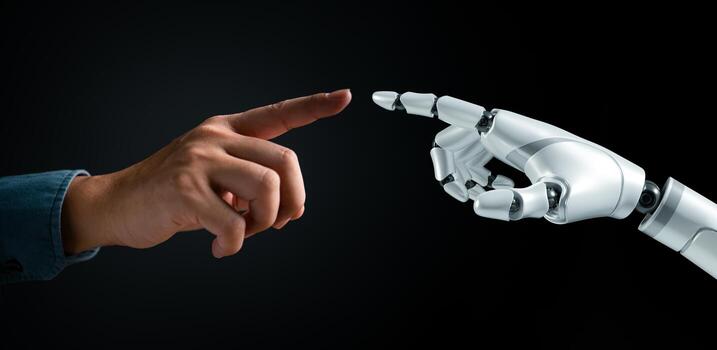
Haptic feedback refers to technology that simulates the sense of touch. Most people encounter haptic systems daily through smartphones, gaming controllers, and wearable devices. In robotic pets, haptic feedback takes on a much more sophisticated role.
Rather than simply generating a vibration, robot pets use haptic systems to create physical responses that mimic living behavior. These responses can include subtle movements, pressure adjustments, body vibrations, breathing simulations, and tactile reactions that occur when users interact with the robot.
The purpose is to create a feedback loop. The user touches the robot, and the robot responds physically. This response reinforces the illusion of interaction and helps create a more engaging experience.
Why Touch Matters in Human-Robot Interaction
Touch is one of the most important forms of communication between humans and animals. Pet owners routinely express affection through stroking, scratching, hugging, and gentle contact. Manufacturers understand that replicating these interactions is critical if robotic companions are going to feel emotionally engaging.
Research in human-robot interaction consistently shows that physical feedback strengthens user attachment. When a robot visibly and physically acknowledges touch, users perceive it as more responsive and more lifelike.
This is why haptic feedback is often considered one of the most important technologies in companion robot development. Without touch-based interaction, even advanced AI systems can feel distant and impersonal.
The Core Hardware Behind a Robot Pet Experience
Sensors That Detect Human Touch
Every realistic haptic experience begins with sensors. These components act as the robot’s sensory system, gathering information about how users interact with it.
Pressure sensors can detect the intensity of touch, allowing the robot to distinguish between a gentle pet and a firm squeeze. Capacitive touch sensors can identify contact locations, while motion sensors track movement around the device.
Modern robot pets often incorporate dozens of sensor points throughout their bodies. This distributed sensor network allows the robot to recognize where it is being touched and respond appropriately.
Actuators That Create Physical Responses
If sensors act as the robot’s nervous system, actuators function as its muscles. Actuators convert electrical signals into physical movement. Depending on the design, they may control tail wagging, ear movement, head tilting, body posture changes, or subtle breathing simulations.
Advanced robotic pets use highly refined actuator systems capable of producing smooth and natural movements. These movements must feel organic rather than robotic. Even slight improvements in movement realism can dramatically improve the user’s perception of the product.
Embedded Systems That Process Interactions
Embedded systems serve as the robot’s internal processing center. These systems receive data from sensors, interpret that information, and determine how the robot should respond.
When a user strokes a robotic pet’s head, the embedded system must process multiple inputs simultaneously. It evaluates touch location, pressure, previous interactions, and behavioral rules before selecting an appropriate response.
The entire process often occurs in milliseconds. Quick response times are essential because delays can break immersion and make interactions feel artificial.
How Artificial Intelligence Shapes Robot Pet Behavior
Machine Learning and Behavioral Adaptation
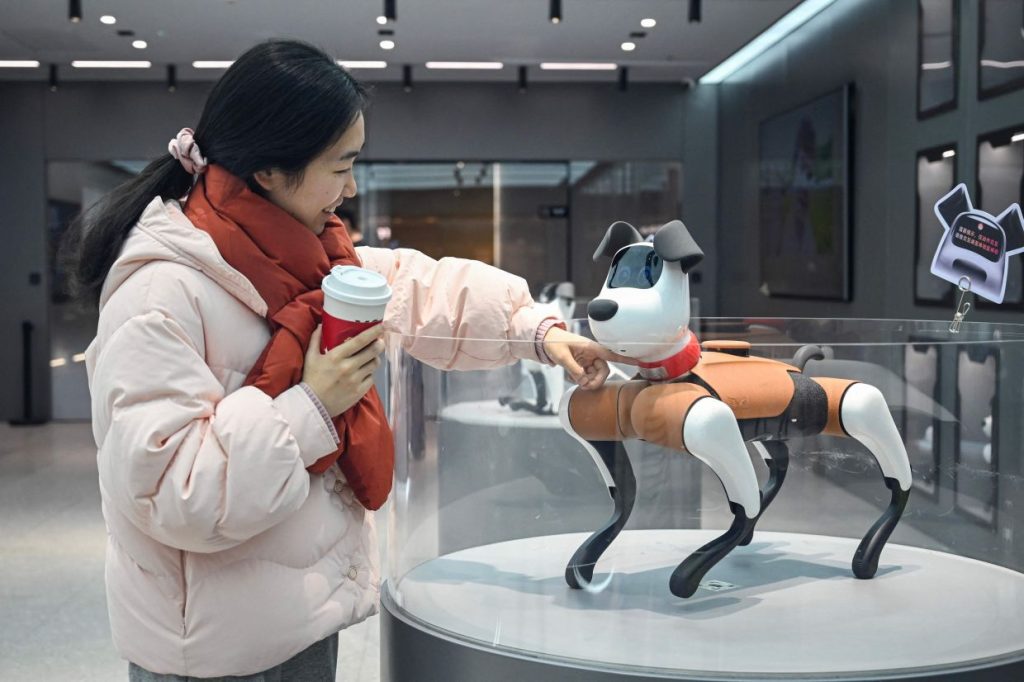
Artificial intelligence allows robot pets to move beyond static programming. Machine learning systems can identify patterns in user behavior and adapt over time.
For example, a robot pet may learn that a particular user prefers head scratches over back pats. Over time, it can adjust its responses to emphasize interactions that have previously generated positive engagement.
This adaptive behavior helps create the impression of individuality. Users often feel as though the robot is developing a unique personality, even though the behavior is generated through algorithms.
Emotional Simulation Through AI
Manufacturers aren’t attempting to create genuine emotions inside machines. Instead, they design behavioral systems that simulate emotional states in ways humans can easily recognize.
Changes in movement speed, posture, responsiveness, and vocalizations can all signal different emotional conditions. These simulated states help users interpret the robot’s behavior using familiar emotional frameworks.
The result is a companion robot that appears curious, excited, relaxed, or affectionate despite operating entirely through programmed systems.
Designing an Emotional Connection Between Humans and Robot Pets
Creating emotional attachment requires more than advanced technology. Manufacturers spend considerable time studying human psychology to understand why people form bonds with animals in the first place.
Consistency plays a major role. Users become attached when interactions feel reliable yet varied. If every touch generates the exact same response, the illusion quickly disappears. Conversely, if responses become completely unpredictable, the robot can feel confusing and frustrating.
Successful robot pets balance familiarity and variation. They maintain recognizable behavioral patterns while introducing enough unpredictability to feel alive. Many developers also incorporate memory systems that allow robot pets to recognize repeat interactions. This creates continuity and encourages long-term engagement.
How Manufacturers Create Realistic Tactile Feedback
Vibration Patterns
Simple vibration motors remain important components in haptic systems. However, modern implementations are significantly more advanced than those found in smartphones. Engineers design complex vibration libraries that vary in intensity, duration, frequency, and rhythm. Different patterns can simulate excitement, contentment, alertness, or relaxation.
Pressure Responses
Some advanced robotic pets use pressure-based feedback mechanisms that allow certain body sections to compress or shift when touched. This subtle deformation helps mimic the physical characteristics of living animals. The effect may seem minor from an engineering perspective, but it significantly improves perceived realism.
Movement Synchronization
The most immersive experiences occur when tactile feedback, physical movement, and AI behavior work together. A robotic pet that simultaneously turns its head, emits a soft sound, and produces a subtle tactile response creates a much richer interaction than any individual component could achieve alone.
Synchronization is often the defining factor separating premium companion robots from basic robotic toys.
The Manufacturing Challenges Behind Companion Robots
Building immersive robot pets presents numerous engineering challenges. Manufacturers must fit sensors, processors, batteries, communication systems, actuators, and haptic components into compact and visually appealing designs.
Power consumption remains a significant concern. More sensors and stronger processing capabilities often increase battery demands. Engineers must constantly balance realism against operating time.
Durability is another challenge. Robot pets are designed for frequent physical interaction, which means components must withstand repeated touching, squeezing, movement, and environmental exposure. These constraints require extensive testing and optimization throughout the development process.
Balancing Cost, Performance, and User Experience
Every additional sensor, actuator, and AI feature increases manufacturing costs. Companies must carefully determine which features provide meaningful user value and which add unnecessary complexity.
Consumers may never see the engineering decisions happening behind the scenes, but those decisions strongly influence the final experience. The most successful products focus resources on features that directly improve emotional engagement and interaction quality. Rather than maximizing technical specifications, manufacturers increasingly prioritize perceived realism and user satisfaction.
Future Trends in Haptic Feedback for Robot Pets
The future of companion robots will likely involve even more sophisticated haptic systems. Soft robotics, advanced tactile sensors, artificial skin technologies, and improved machine learning models are already moving from research labs into commercial development.
Future robot pets may be capable of recognizing subtle emotional cues, adapting behavior across years of interaction, and producing tactile responses that closely resemble living animals.
As haptic technology becomes more refined, the distinction between interacting with a machine and interacting with a responsive companion may continue to blur. While robotic pets won’t replace real animals, they will likely become increasingly effective at delivering meaningful companionship experiences through carefully engineered touch, movement, and behavioral design.
Frequently Asked Questions
How do robot pets respond to touch?
Robot pets use pressure sensors, capacitive touch sensors, and other sensing technologies to detect physical interaction. Embedded systems analyze the input and trigger appropriate responses through actuators, vibration motors, sounds, or AI-driven behaviors.
What is haptic feedback in a robotic pet?
Haptic feedback refers to physical sensations or responses generated by the robot when a user interacts with it. These responses can include vibrations, movements, pressure changes, or tactile effects that make interactions feel more realistic.
Can robot pets learn from their owners?
Many modern companion robots use machine learning algorithms that allow them to adapt their behavior based on user interactions. While they don’t learn like living animals, they can recognize patterns and personalize certain responses.
Why do people become attached to robot pets?
Humans naturally respond to social cues, touch responses, and interactive behaviors. When robot pets consistently react in meaningful ways, users often develop emotional connections similar to those formed with traditional pets or digital companions.
What role do actuators play in robot pets?
Actuators convert electrical signals into physical movement. They enable behaviors such as tail wagging, head turning, body movement, posture adjustments, and other actions that help create lifelike interactions.
What is the future of haptic feedback in companion robots?
Future systems are expected to include artificial skin, more advanced tactile sensing, soft robotic materials, and increasingly sophisticated AI behavior models. These technologies will likely make robotic companions more responsive, personalized, and immersive.