7 Signs of Wear and Tear in Aging Robot Pets
Table of Contents
Robot pets have become popular companions for children, older adults, and people seeking comfort without the demands of live animals. Like any device, these mechanical companions age with use, and their performance can decline over time. Knowing the signs of wear and tear helps owners maintain their robot pets and decide whether repair or replacement is needed.
What Happens as Robot Pets Age?
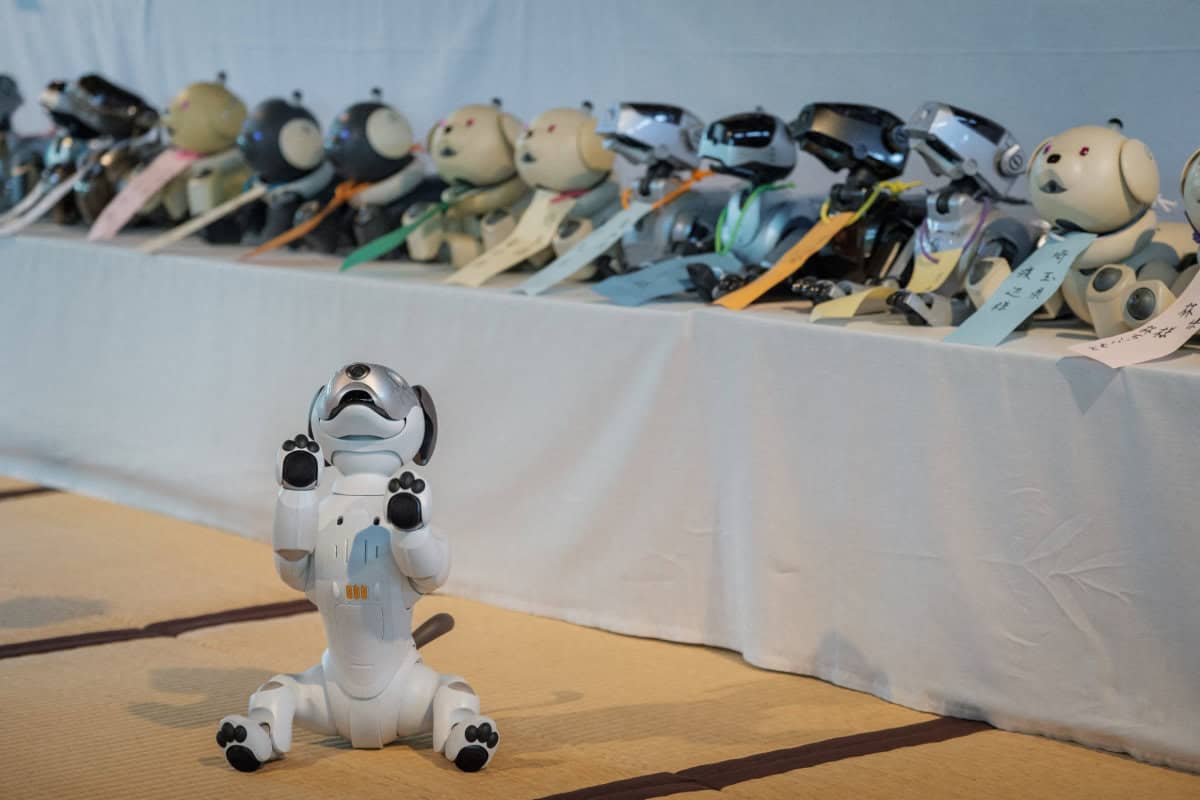
Over time, robot pets undergo physical and functional changes. Their internal mechanisms, sensors, and batteries experience a gradual decline, just like smartphones or other electronic devices. This aging process can lead to slower responses, reduced interactivity, or visible exterior damage.
Physical Signs of Wear and Tear

Surface Damage
Scratches, fading paint, or worn-out fur-like coverings are among the first indicators. These cosmetic issues don’t always affect functionality, but can diminish the overall appeal and realism of the pet.
Joint Stiffness
Robot pets with moving limbs may show stiffness in joints. Overuse, dust buildup, or motor fatigue can make movement jerky instead of smooth.
Loose Parts
Frequent handling may loosen screws, joints, or accessory components like tails and ears. If left unchecked, this can cause further mechanical strain.
Functional Signs of Aging

Battery Decline
One of the most common issues is reduced battery life. Robot pets that once ran for hours may now require frequent charging or shut down unexpectedly.
Delayed Responses
Aging sensors or processors may cause slower reactions. The pet may take longer to recognize voice commands, respond to touch, or perform programmed behaviors.
Malfunctioning Sensors
Touch, sound, or light sensors may stop working consistently. This results in the robot pet ignoring input or reacting unpredictably.
Sound and Voice Issues
Speakers can degrade over time, producing crackling noises or distorted voices. Owners may notice reduced volume or muffled playback.
Behavioral Clues Owners Might Notice
- The pet may no longer follow routines it once did reliably.
- Playful interactions might become repetitive or glitchy.
- Unexpected shutdowns or restarts can interrupt play.
- Features like singing, walking, or purring may fail intermittently.
How to Extend the Lifespan of a Robot Pet
Regular Cleaning
Dust and dirt buildup accelerate wear. Using soft cloths and compressed air keeps joints and sensors clear.
Battery Care
Avoid overcharging and store the robot pet in a cool, dry place. Replacing the battery when declines is obvious can restore some performance.
Software Updates
For advanced models, installing updates ensures smoother performance and better error correction.
Professional Servicing
Some manufacturers offer repair or part replacement services. Early servicing can prevent complete breakdowns.
When to Repair and When to Replace
Minor cosmetic wear or battery decline may be manageable. However, if key functions stop working or repair costs approach the price of a new unit, replacement might be more practical. Many owners choose to upgrade to newer models with advanced features once aging signs become persistent.
Frequently Asked Questions
How long do robot pets usually last?
Most models last between 3 to 7 years, depending on usage, battery care, and build quality. High-end models may last longer with proper maintenance.
Can I replace parts on my robot pet?
Some models allow part replacement, such as batteries or coverings. However, complex repairs often require manufacturer servicing.
Are aging robot pets safe to use?
Yes, but if wires become exposed or overheating occurs, discontinue use until repairs are made to avoid safety risks.