
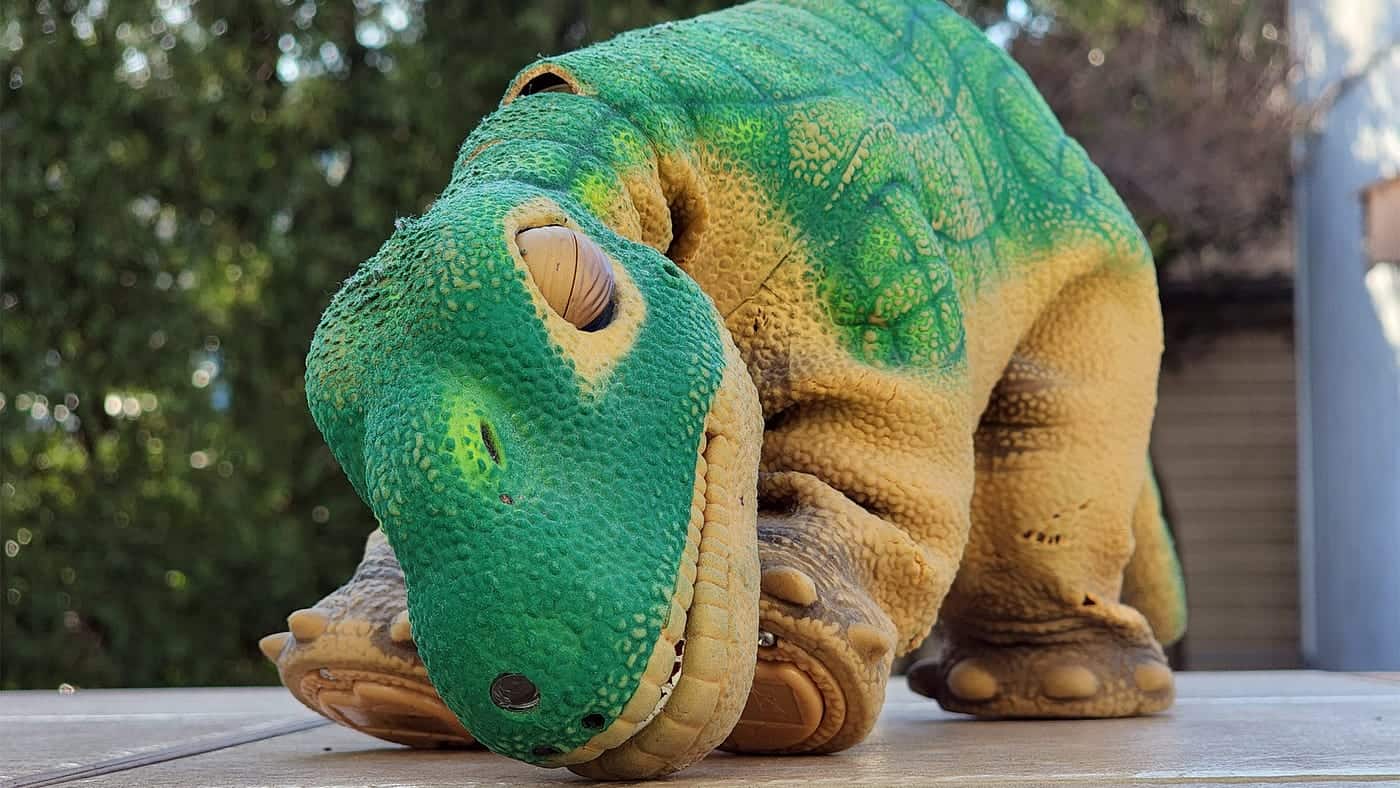
Robot dinosaurs bring something different to the world of robotic pets and toys. While robot dogs and cats focus on companionship and realism, robot dinosaurs are built around presence, imagination, and expressive movement. They don’t just simulate animals. They recreate creatures people already associate with scale, power, and personality.
From interactive toys to highly detailed animatronics, robot dinosaurs span a wide range of experiences. This guide breaks down everything you need to know: how they work, what makes them valuable, the different types available, and how to choose one that actually delivers long-term engagement.
What Is a Robot Dinosaur?
A robot dinosaur is a robotic system designed to replicate the appearance, movement, or behavior of dinosaurs. Depending on the model, this can range from small interactive toys to large-scale animatronics used in exhibitions or entertainment environments.
Unlike robot cats or robot birds, which rely on subtlety, robot dinosaurs are built around expressive behavior. Movement, sound, and visual design are often exaggerated, not inaccurately, but intentionally, to create a stronger sense of presence. The goal isn’t realism in the strictest sense. It’s immersion. A good robot dinosaur makes interaction feel engaging and memorable, even if it leans into stylized behavior.
How Robot Dinosaurs Work
Robot dinosaurs operate through a combination of sensors, control systems, and mechanical components that translate input into large, expressive actions. When the robot detects interaction, through touch sensors, motion detection, or remote control, it processes that input and selects a response. This might include movement (walking, head turning, tail swaying), sound (roaring, growling), or combined behaviors.
The difference compared to smaller robotic pets is the scale of motion. Robot dinosaurs often use stronger motors or more complex joint systems to create larger, more noticeable movements. In animatronic versions, this can involve pneumatic or hydraulic systems to control limbs and body segments. Because of this, timing and coordination become critical. Movements need to feel deliberate and controlled rather than abrupt or mechanical, especially when multiple parts, like the head, jaw, and tail, are moving together.
Benefits of Robot Dinosaurs
Robot dinosaurs offer a different kind of value compared to other robotic pets. Their strength lies in engagement, imagination, and educational potential.
High-Engagement Interaction
Robot dinosaurs are naturally attention-grabbing. Their size, sound, and movement create a more immersive experience than smaller robotic pets. This makes them particularly effective for maintaining interest over time, especially for children. The interaction feels dynamic rather than passive, which encourages repeated use.
Strong Educational Appeal
Dinosaurs are already a major entry point for learning about science, history, and biology. Robot dinosaurs build on that interest by making these concepts more interactive. Children don’t just learn about dinosaurs. They interact with representations of them. This can spark curiosity about:
- Prehistoric life
- Movement and anatomy
- Basic robotics and mechanics
Encourages Imaginative Play
Unlike robot cats or birds, which often aim for realism, robot dinosaurs lean into imagination. They create scenarios, stories, and play environments that extend beyond the device itself. This makes them particularly valuable for creative play, where interaction isn’t limited to predefined behaviors.
Durable and Designed for Active Use
Many robot dinosaurs are built to handle more active interaction. They’re often designed with durability in mind, making them suitable for repeated handling, movement, and play.
Types of Robot Dinosaurs
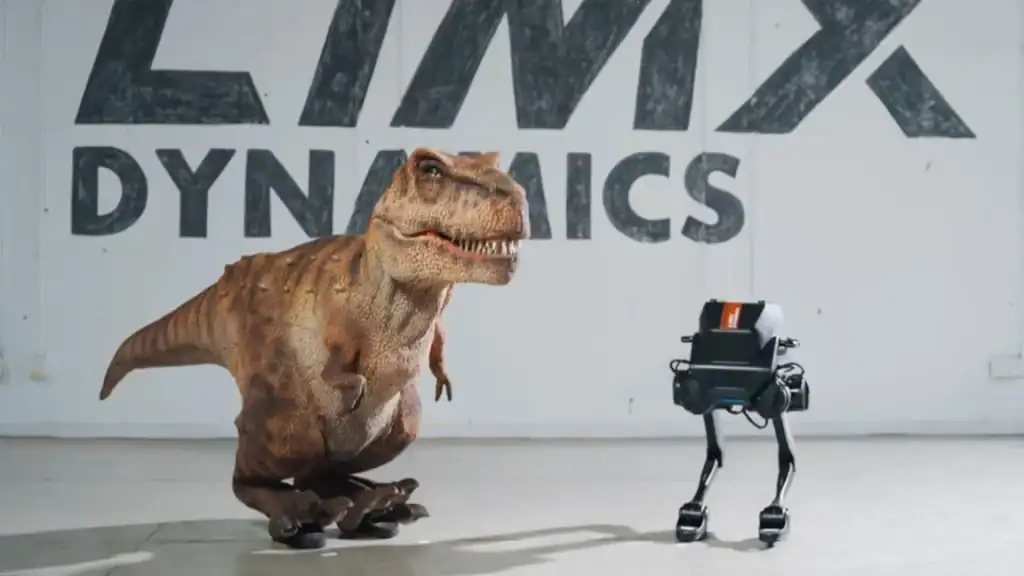
Robot dinosaurs vary significantly in how they’re designed to be used. The differences aren’t just about features. They affect how the robot behaves, how long it stays engaging, and what kind of experience it delivers. Choosing the right type comes down to understanding what each category is actually optimized for.
Toy Robot Dinosaurs
Toy robot dinosaurs are built for instant engagement. You turn them on, they move, roar, and react in simple ways that are easy to understand without setup. What defines them is simplicity of interaction. Most rely on pre-set behavior sequences: walk forward, open jaw, roar, repeat. This makes them highly accessible, especially for younger users, but also limits long-term depth.
The better models in this category focus on execution over complexity. Even with limited actions, smooth walking, well-timed sounds, and responsive controls can make the experience feel satisfying. Poorly executed ones, on the other hand, feel repetitive quickly because there’s no variation to sustain interest.
Interactive Robot Dinosaurs
Interactive models move beyond fixed sequences and introduce real input-response interaction. They respond to touch, motion, or sound with different behaviors, creating a more dynamic experience.
The key difference here is feedback. Instead of pressing a button and getting the same result every time, the robot reacts based on how and when you interact with it. For example, repeated interaction might trigger different responses, or certain actions may only occur under specific conditions. This added variation is what extends engagement. The robot feels less like a device performing actions and more like something reacting to you, even if the system is still rule-based underneath.
Programmable Robot Dinosaurs
Programmable robot dinosaurs shift the experience from interaction to creation. Instead of just reacting, they allow users to define behavior through apps or coding interfaces. This changes how the robot is used. You’re no longer just observing what it does. You’re deciding how it behaves. Movement patterns, response triggers, and sequences can be modified, which introduces a deeper level of engagement over time.
These models are particularly valuable for:
- Learning basic programming logic
- Understanding how systems respond to input
- Experimenting with cause-and-effect at a deeper level
They may feel less immediately “alive” compared to interactive models, but they offer far more long-term value for users who want to explore how behavior is built.
Animatronic and Large-Scale Robot Dinosaurs
At the highest level, robot dinosaurs are designed for visual impact and realism. These are the large animatronic systems seen in museums, exhibitions, and theme parks. What defines them is scale and coordination. Movements are larger, slower, and more deliberate, often involving multiple synchronized systems: head movement, jaw articulation, body shifts, and sometimes even skin or texture simulation.
While not designed for personal use, they set the benchmark for realism. Many of the expectations people have for smaller robot dinosaurs: smooth motion, coordinated behavior, believable sound, are influenced by what these larger systems achieve.
What Makes a Robot Dinosaur Good
Robot dinosaurs are judged on impact and execution. Because their movements are larger and more noticeable than those of other robot pets, flaws are harder to hide. The difference between a good and a poor model is immediately visible.
Coordinated, Expressive Movement
Robot dinosaurs don’t rely on subtlety. They rely on presence. That means movement needs to feel connected across the entire body. When the head turns, the body should follow slightly. When the dinosaur roars, the jaw, neck, and sometimes even torso should move in sync. This coordination is what makes the robot feel like a single system rather than separate parts moving independently. Poor coordination, where the head, legs, and tail move without relation to each other, breaks immersion quickly.
Sound Design That Matches Behavior
Sound is not just an add-on. It’s part of the behavior itself. A roar that plays without matching movement feels disconnected. A roar that aligns with jaw motion, body posture, and timing creates a much stronger impression. Good models treat sound as part of the action, not something layered on top of it. This synchronization is what makes the robot feel more complete and convincing.
Responsiveness to Interaction
Because robot dinosaurs are often used in active play, responsiveness needs to be clear and immediate. When a user interacts through touch, remote control, or proximity, the response should feel direct and noticeable. Delays or missed inputs reduce the sense of control and make the robot feel less engaging. Strong responsiveness reinforces the interaction loop: action leads to reaction in a way that feels reliable.
Behavior Variety Prevents Early Drop-Off
Robot dinosaurs are highly engaging at first, but they can lose appeal quickly if behavior is limited. The best robot dinosaurs introduce variation in:
- Movement sequences
- Sound combinations
- Reaction timing
Even small differences, like alternating between two movement patterns, can extend engagement significantly. Without this, the experience becomes predictable, and interest drops off.
Key Features That Matter
Robot dinosaurs don’t need dozens of features. They need the right ones executed well. These are the elements that directly affect how the robot performs in real use.
Sensor Accuracy and Input Reliability
Sensors determine whether the robot responds correctly to interaction. If touch or motion detection is inconsistent, the entire experience feels unreliable. Accurate sensors ensure that interactions trigger the intended response every time, which is critical for maintaining engagement.
Movement Mechanics and Joint Control
Movement quality comes down to how well the internal mechanics are designed. Strong models use well-calibrated joints and motors that allow for:
- Smooth walking motion
- Stable balance
- Coordinated multi-part movement
Weak mechanics result in stiff or unstable motion, which is immediately noticeable due to the larger scale of dinosaur movements.
Sound Quality and Variation
Because robot dinosaurs rely heavily on sound, quality matters. Clear, well-timed audio with slight variation feels more immersive. Repetitive or low-quality sound quickly becomes noticeable and reduces the overall experience.
Build Durability for Active Use
Robot dinosaurs are often handled more actively than other robot pets. They’re picked up, moved, and used in dynamic play scenarios. Durable materials and solid construction ensure the robot can handle repeated use without performance issues. This is especially important for long-term value.
Battery Life for Extended Sessions
Unlike passive robot pets, robot dinosaurs are often used in longer, more active sessions. Battery performance should support continuous play without frequent interruption. Short battery life disrupts engagement and limits usability.
Limitations to Be Aware Of
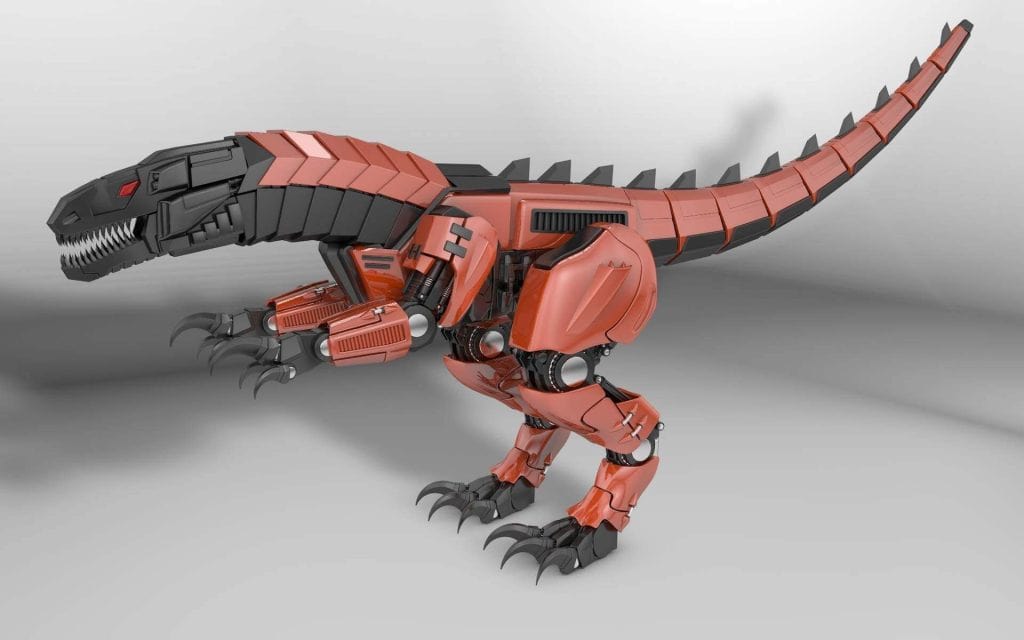
Robot dinosaurs are designed to be expressive and attention-grabbing, which means they’re naturally more noticeable than other robotic pets. This makes them less suited for quiet, background interaction.
Because their actions are larger and more pronounced, repetition is also easier to detect. If behavior variation is limited, the experience can feel more predictable, more quickly than with subtler robot designs. These limitations aren’t flaws. They’re trade-offs tied to how robot dinosaurs are designed. When expectations align with their purpose, active engagement and visual impact, they tend to perform very well.
How to Choose the Right Robot Dinosaur
Choosing the right robot dinosaur depends less on specs and more on how you plan to use it in practice.
For Active Play and Engagement
Focus on responsiveness, movement quality, and durability. The robot should handle frequent interaction without losing performance or stability.
For Learning and Exploration
Programmable models offer more depth. The ability to control and modify behavior adds long-term value beyond basic interaction.
For Display or Realism
If the goal is visual impact, prioritize coordinated movement and design quality. The robot should look and move in a way that feels cohesive.
For Long-Term Use
Look for models that balance variation, responsiveness, and build quality. These are the factors that determine whether the robot remains engaging beyond the initial experience.
The Future of Robot Dinosaurs
Robot dinosaurs are becoming more advanced in both interaction and realism. Improvements in AI, movement systems, and materials are making them more expressive and adaptable. Future developments are likely to focus on:
- More natural movement coordination
- Improved interaction systems
- Greater educational integration
As the technology evolves, robot dinosaurs will continue to bridge entertainment, learning, and immersive experience.
Final Thoughts
Robot dinosaurs are built for engagement. They don’t aim to quietly blend into the background. They’re designed to be noticed, interacted with, and explored. When executed well, they deliver a combination of movement, sound, and imagination that creates a uniquely immersive experience, one that goes beyond simple play and into something much more memorable.
Frequently Asked Questions About Robot Dinosaurs
Are robot dinosaurs good for kids?
Yes, especially for imaginative play and learning. They combine interaction with educational themes.
Do robot dinosaurs require maintenance?
Minimal maintenance is required, mainly charging and occasional cleaning.
Are robot dinosaurs realistic?
Some models focus on realism, while others prioritize fun and exaggerated behavior. It depends on the type.