
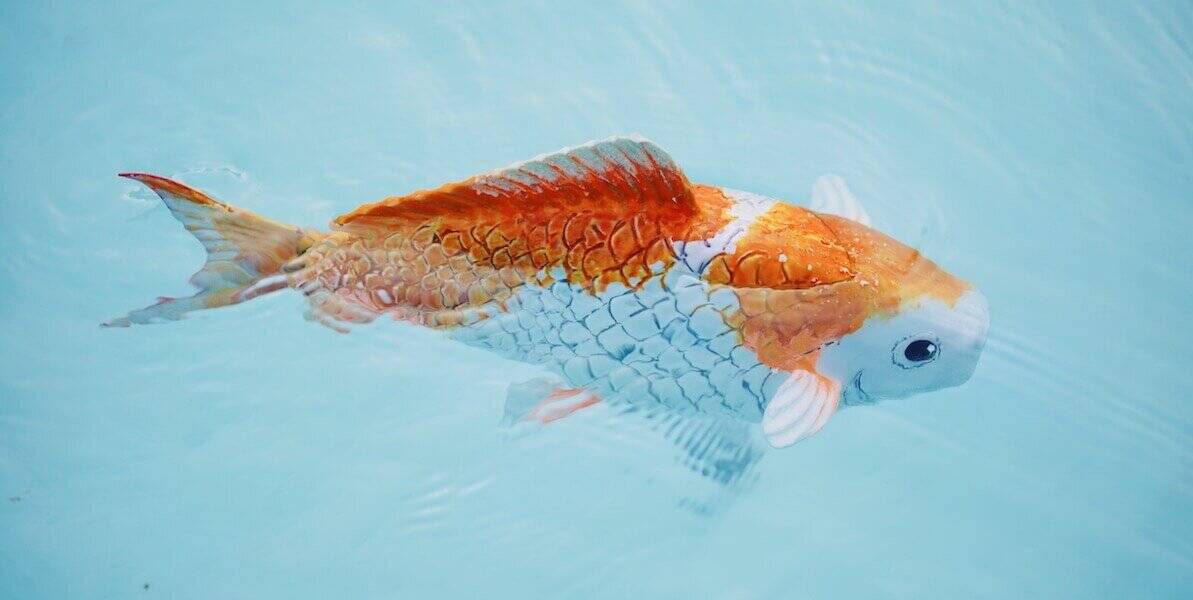
Robot fish are one of the most visually compelling categories in robotics. Unlike robot dogs or robot dinosaurs, which rely on physical interaction, robot fish are designed around movement, flow, and environmental presence. They exist within water, which changes everything about how they behave, how they’re experienced, and what makes them effective.
From decorative aquarium companions to advanced biomimetic research robots, robot fish span a wide range of use cases. This guide breaks down everything you need to know: what they are, how they work, their benefits, types, and how to choose one that actually delivers long-term value.
What Is a Robot Fish?
A robot fish is a robotic system designed to replicate the movement, appearance, or behavior of real fish. Most are built to operate in water, using propulsion systems that allow them to swim, glide, and change direction.
What makes robot fish unique is their passive interaction model. Unlike other robotic pets, they’re not meant to be touched or directly controlled most of the time. Instead, they create a visual experience, movement within a contained environment that feels natural and continuous. The goal is not interaction in the traditional sense. It’s immersion.
How Robot Fish Work
Robot fish operate through a combination of waterproof hardware and controlled propulsion systems designed for aquatic environments. At the core, a small motor drives the tail or fins, creating motion that pushes the robot through water. In more advanced models, this motion mimics the oscillating patterns of real fish, allowing for smoother and more natural swimming.
Sensors may be included to detect:
- Water movement
- Obstacles
- Light or environmental changes
These inputs are processed by a simple onboard system that determines how the fish moves, whether it changes direction, speeds up, or adjusts its path.
Water resistance plays a major role in how robot fish behave. Movement needs to be carefully calibrated so it doesn’t look too fast, too rigid, or unnatural. This is why even small differences in motion quality can dramatically affect realism.
Benefits of Robot Fish
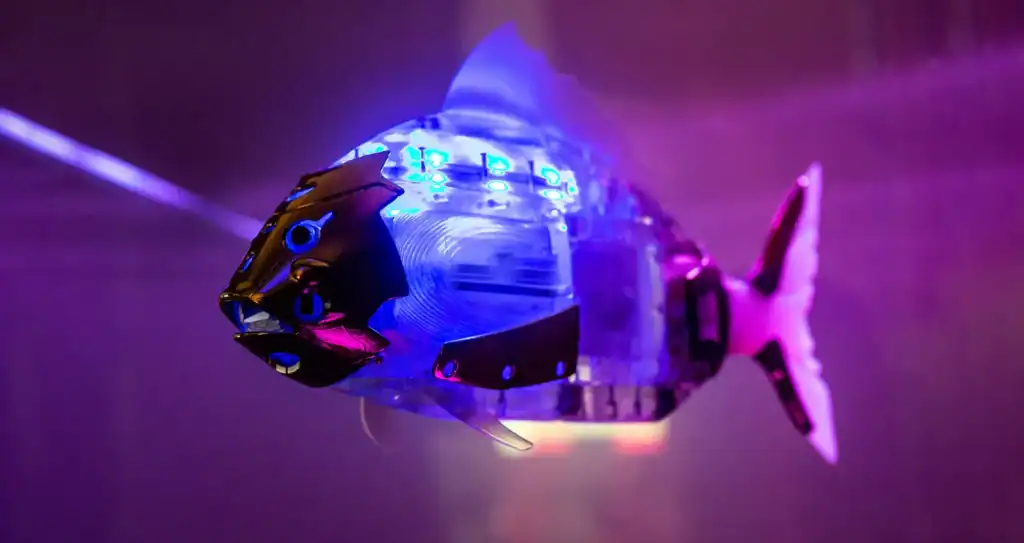
Robot fish offer a different kind of value compared to other robotic pets. Their strength lies in how they combine movement and environment to create a calming, low-maintenance experience.
Visual Calm and Ambient Presence
Watching fish swim is naturally calming. Robot fish replicate this effect by introducing continuous, flowing movement into a space. Because their motion is slow and repetitive, but not identical, it creates a soothing visual rhythm. This makes them ideal for environments where relaxation is important, such as living rooms, offices, or waiting areas.
No Maintenance Compared to Real Aquariums
Maintaining a real aquarium requires time, knowledge, and ongoing effort: cleaning, water treatment, feeding, and monitoring fish health. Robot fish remove all of these requirements. There’s no ecosystem to manage, no water quality concerns, and no risk of harm to living creatures. This makes them a practical alternative for people who want the aesthetic of an aquarium without the complexity.
Safe and Controlled Interaction for Children
Robot fish provide a way for children to observe and engage with aquatic movement without the unpredictability of live animals. They can watch how movement works, how direction changes, and how systems operate in water, all without needing to manage a real habitat.
Decorative and Space-Enhancing
Robot fish are often used as part of interior design. Their movement adds a dynamic element to otherwise static spaces, creating a focal point without being intrusive.
Types of Robot Fish
Robot fish differ not just in features, but in how they’re meant to be experienced over time. The biggest mistake people make is assuming all robot fish aim for realism or interaction. They don’t. Each category is built around a different priority: visual appeal, motion accuracy, control, or technical capability.
Toy Robot Fish
Toy robot fish are designed for immediate visual impact rather than long-term realism. They typically use simple tail oscillation powered by a small motor, creating a back-and-forth motion that propels them through water. What’s important to understand is that these models are pattern-driven. They follow pre-set swim loops: move forward, turn, pause, repeat. At first, this looks convincing, especially in small tanks where movement appears more dynamic due to limited space. But over time, the lack of behavioral variation becomes noticeable.
Where they perform well is accessibility. There’s no setup beyond placing them in water, and they deliver instant feedback. The better versions in this category focus on smoother propulsion and slightly randomized turns, which can extend their visual appeal significantly compared to rigid, repetitive models.
Realistic or Biomimetic Robot Fish
This category is built around one goal: replicating how real fish move through water. Instead of simple tail flicking, these models use more refined propulsion systems that mimic the wave-like motion of real fish bodies. This creates smoother acceleration, more natural deceleration, and more believable turning behavior.
The difference becomes obvious in longer observation. Rather than repeating obvious loops, these fish:
- Adjust direction more gradually
- Maintain consistent speed without abrupt stops
- Transition between movements more fluidly
This is what creates immersion. The movement doesn’t just look better. It feels less predictable, even when it’s still technically programmed. These models are ideal for users who want a more convincing aquarium experience rather than a novelty effect.
Programmable Robot Fish
Programmable robot fish shift the focus from observation to understanding and control. Instead of relying entirely on pre-defined movement, these models allow users to:
- Modify swim patterns
- Adjust speed and turning behavior
- Create response triggers based on input
This turns the robot fish into a learning tool. You’re not just watching motion. You’re shaping it. What makes this valuable is the feedback loop between input and outcome. Small changes in programming can produce noticeable differences in how the fish behaves in water, which makes abstract concepts like control systems and motion dynamics easier to understand.
These models are less about realism out of the box and more about depth over time. The engagement comes from experimentation rather than passive observation.
Research and Industrial Robot Fish
At the highest level, robot fish are developed for real-world applications, not consumer use. These systems are engineered for tasks such as:
- Monitoring water quality
- Studying marine ecosystems
- Navigating underwater environments
What defines them is precision. Movement isn’t just designed to look realistic. It’s optimized for efficiency, stability, and control in unpredictable conditions. They often incorporate advanced propulsion systems, sensors, and autonomous navigation capabilities. While you won’t be buying one for home use, they represent the direction the technology is moving toward: more adaptive, more efficient, and more responsive to real environments.
What Makes a Robot Fish Good
Robot fish are almost entirely judged on one thing: how convincing their movement is over time. Because there’s no direct interaction, the experience depends on whether the motion continues to feel natural after minutes, not just seconds, of observation.
Smooth, Continuous Movement
Water exaggerates flaws in motion. Any hesitation, stutter, or abrupt change becomes immediately visible. A strong robot fish maintains continuous propulsion. Movement should feel like a flow, not a sequence of actions. This means:
- No sudden stops between cycles
- No visible “reset” in motion patterns
- Consistent pacing that doesn’t fluctuate unnaturally
When done well, the fish appears to glide rather than move in steps.
Natural Direction Changes
Turning behavior is where many robot fish fail. Lower-quality models rely on sharp, mechanical turns triggered at fixed intervals. This makes movement predictable and artificial. Better models use gradual directional shifts, where the fish curves into a turn rather than snapping into it. This mimics how real fish navigate, adjusting direction smoothly based on momentum and water resistance.
Consistency Over Time
Robot fish are not interacted with. They’re observed. That means their behavior needs to hold up over extended periods. Consistency here doesn’t mean repetition. It means:
- Stable performance without slowing or degrading
- Reliable movement patterns that don’t break unexpectedly
- Continuous operation without interruption
If movement quality drops after a short time, the illusion disappears quickly.
Subtle Variation
The human eye is very good at spotting patterns, especially in environments where there’s nothing else changing. Even small variations can make a big difference:
- Slight changes in swim speed
- Minor differences in turning angles
- Irregular timing between movements
These details prevent the brain from “solving” the pattern, which keeps the experience feeling natural rather than programmed.
Key Features That Matter
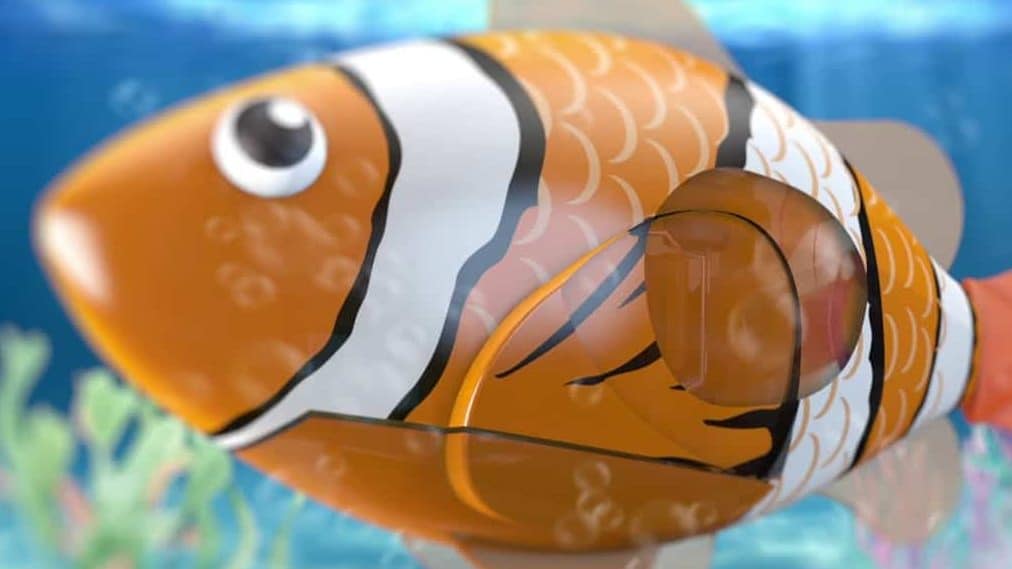
Robot fish don’t rely on feature-heavy designs. Instead, a few critical components determine whether the experience feels convincing or artificial.
Waterproof Build Quality
Water exposure introduces a constant risk. Sealing isn’t just about keeping water out. It’s about maintaining performance over time. High-quality models use tightly sealed compartments and corrosion-resistant materials. Poorly sealed designs may work initially but degrade quickly, leading to inconsistent movement or failure.
Propulsion System Design
The propulsion system, usually a motor-driven tail, is the single most important component. What matters is how well it translates motion into forward movement. A good system creates:
- Smooth thrust without visible strain
- Consistent speed without pulsing
- Controlled direction changes
Weak propulsion results in jerky movement or unnatural acceleration, which immediately reduces realism.
Battery Life and Charging Practicality
Because robot fish are often used continuously, battery performance directly affects usability. Frequent charging interrupts the experience and reduces how often the fish is used. Models with longer battery life or efficient charging systems integrate better into daily environments.
Movement Programming
Even with good hardware, poor programming can ruin the experience. Movement patterns should be designed to:
- Avoid obvious loops
- Introduce variation naturally
- Maintain a balance between activity and stillness
This is where realism is either reinforced or lost.
Visual Design
Appearance matters, but only in motion. A robot fish might look realistic when still, but once it starts moving, proportions, color, and design all affect how convincing it feels. The goal is cohesion: the way it looks should match the way it moves.
Limitations to Be Aware Of
Robot fish are designed for passive experience, not active interaction. This means they won’t respond to touch or commands in the way other robotic pets do. Because the experience is almost entirely visual, any flaw: jerky motion, repetitive patterns, or inconsistent speed, becomes more noticeable over time. There’s nothing else to distract from it.
However, this limitation is also what defines their strength. When executed well, robot fish don’t need interaction. Their value comes from creating a continuous, calming presence within a space.
How to Choose the Right Robot Fish
Choosing the right robot fish comes down to how you want it to function in your environment, not how many features it has.
For Decorative and Ambient Use
Focus on movement quality first. Smooth, continuous swimming and subtle variation matter far more than additional features. The fish should feel natural when observed over time, not just impressive at first glance.
For Learning and Experimentation
Programmable models provide more depth. If you want to understand how motion works or experiment with behavior, the ability to control and modify movement adds long-term value.
For Realism-Focused Setups
If your goal is to replicate a real aquarium experience, prioritize biomimetic movement and cohesive design. The fish should blend into the environment rather than stand out as a device.
For Long-Term Use
Look for models that balance durability, movement consistency, and variation. These are the factors that determine whether the robot remains engaging beyond the initial experience.
In the end, the best robot fish is not the most advanced. It’s the one that maintains a convincing presence over time without drawing attention to its limitations.
The Future of Robot Fish
Robot fish are advancing in both realism and functionality. Improvements in materials, propulsion systems, and AI are making them more lifelike and capable. Future developments may include:
- More realistic swimming patterns
- Improved environmental sensing
- Expanded use in research and monitoring
As technology evolves, robot fish will continue to bridge design, engineering, and environmental interaction.
Final Thoughts
Robot fish offer a unique kind of experience, one built around movement, flow, and visual calm. They don’t demand attention. They create atmosphere. And when designed well, that atmosphere becomes something you return to again and again.
Frequently Asked Questions About Robot Fish
Do robot fish need a real aquarium setup?
Not necessarily. Most robot fish can operate in any clean water container, from small tanks to decorative bowls. However, using them in a proper aquarium or larger tank improves the experience because it allows for more natural swimming patterns and less obvious repetition.
How long do robot fish usually last on a single charge?
Battery life varies by model, but most robot fish last anywhere from 30 minutes to a few hours of continuous use. Higher-quality models are designed for efficiency, allowing longer operation without frequent charging interruptions.
Are robot fish safe for children?
Yes, robot fish are generally safe for children, especially since they don’t require direct handling during operation. However, supervision is still recommended for younger kids to ensure proper use and to avoid damage to the device.
Do robot fish require maintenance?
Maintenance is minimal. Aside from charging and occasional cleaning of the exterior, there’s no need for feeding, water treatment, or habitat management, which makes them much easier to maintain than real fish.