
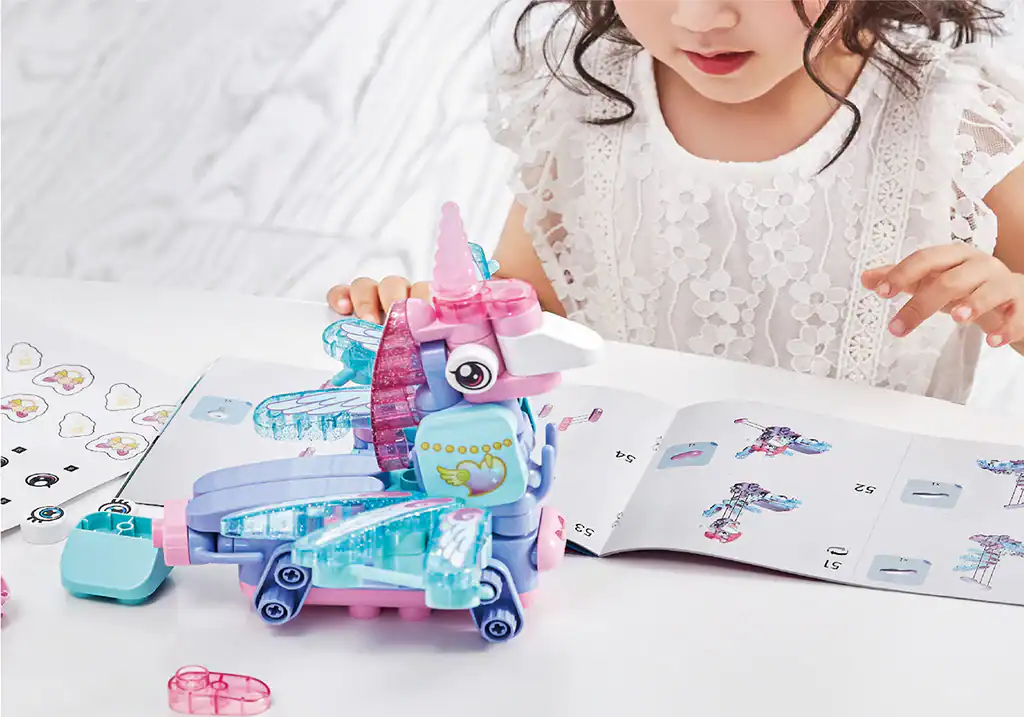
Robot unicorns sit in a category of their own. Unlike robot dogs or robot turtles, which aim to replicate real animals, robot unicorns are built around imagination, expression, and visual impact. They don’t try to be realistic. They’re designed to feel magical, engaging, and visually striking. This changes how they should be evaluated. What matters isn’t biological accuracy, but how well they combine movement, light, sound, and interaction into a cohesive experience.
This guide covers everything you need to know about robot unicorns, from how they work and their benefits to what actually makes a good one and how to choose the right model.
What Is a Robot Unicorn?
A robot unicorn is a robotic companion inspired by the mythical unicorn. Instead of focusing on realism, these robots emphasize fantasy elements such as glowing horns, vibrant colors, expressive movement, and interactive features. Most robot unicorns combine:
- Movement (walking, head motion, tail swaying)
- Light effects (LED horns, glowing accents)
- Sound (music, voice, or magical effects)
- Interaction (touch, remote control, or app-based input)
The goal is not to simulate a real animal, but to create a multi-sensory experience that feels lively and engaging.
How Robot Unicorns Work
Robot unicorns operate through a coordinated system of sensors, control logic, and mechanical components that drive both movement and visual effects. When the robot receives input, such as touch, button commands, or remote signals, it processes that input through an onboard controller. The system then triggers a combination of outputs, which may include walking, head movement, sound effects, or lighting changes.
What makes robot unicorns different is the layering of outputs. Movement, sound, and lighting are often synchronized to create a more dynamic response. For example, a single interaction might trigger a walking sequence, a sound effect, and a glowing horn at the same time. The quality of this coordination determines whether the robot feels cohesive or chaotic.
Benefits of Robot Unicorns
Robot unicorns provide value through engagement, creativity, and sensory experience rather than realism.
Encourages Imaginative and Creative Play
Unicorns are inherently tied to storytelling and fantasy. Robot unicorns extend this by providing a physical element that children can interact with. Instead of following strict behavior patterns, they become part of open-ended play scenarios. Movement, sound, and lighting help bring those scenarios to life, making the experience more immersive.
Multi-Sensory Engagement
Robot unicorns combine visual, auditory, and physical elements into a single interaction. This layered experience keeps users engaged because multiple senses are involved at once. The combination of glowing lights, movement, and sound creates a more dynamic interaction than single-mode devices.
Accessible and Easy to Use
Most robot unicorns are designed for immediate use. They don’t require complex setups or learning curves, making them accessible for a wide range of users. Interaction is typically straightforward. Press a button, touch the robot, or use a remote, and the response is clear and noticeable.
Strong Visual Appeal
Robot unicorns are often designed to stand out. Bright colors, glowing elements, and stylized features make them visually engaging even when not in use. This makes them suitable not just as toys, but also as decorative pieces in themed spaces.
Types of Robot Unicorns
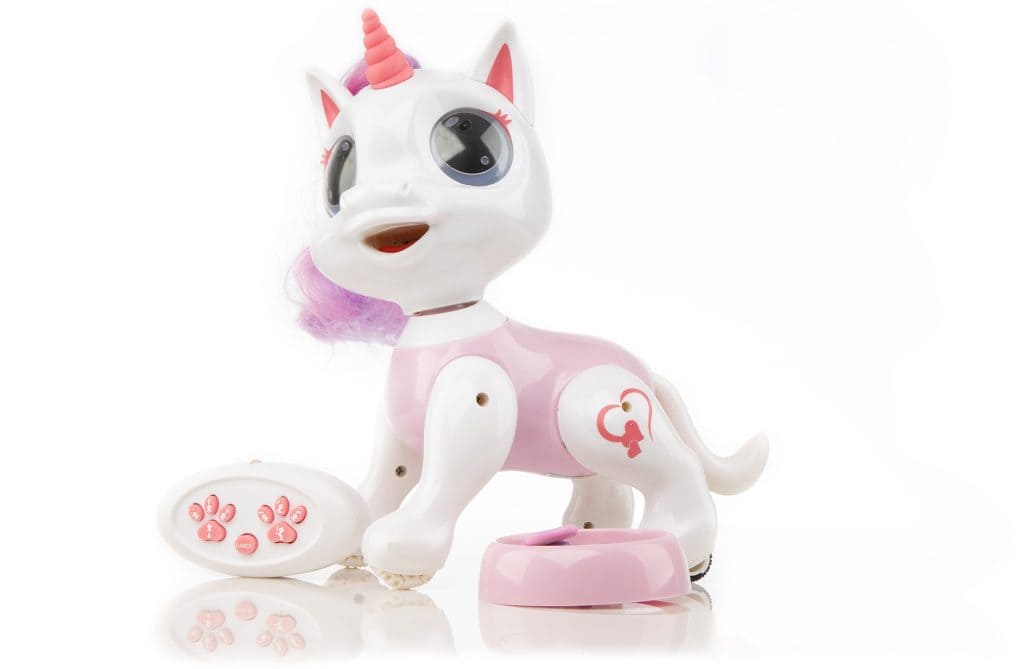
Robot unicorns aren’t just different in features. They’re built around different types of experiences. Some are designed for quick, visual fun, while others aim for deeper interaction or physical play. Understanding what each type is actually optimized for helps avoid choosing something that looks impressive but doesn’t hold up in real use.
Toy Robot Unicorns
Toy-level robot unicorns are designed to deliver instant feedback. You turn them on, and they walk, light up, and play sounds in a way that’s immediately engaging without any setup. What defines them is pre-sequenced behavior. Movement, lighting, and sound are typically bundled into repeating patterns. This works well in short sessions, especially for younger users, because the cause-and-effect is clear and satisfying.
Where these models often fall short is in long-term variation. Once the behavior cycle becomes familiar, the experience can feel predictable. The better versions compensate for this with smoother motion and slightly varied timing, which helps extend their appeal beyond the first few uses.
Interactive Robot Unicorns
Interactive models shift the experience from passive observation to active interaction. Instead of running fixed loops, they respond differently depending on how the user engages, through touch, sound, or commands. The difference here is not just more features, but behavior mapping.
A touch might trigger one response, repeated interaction another, and inactivity something else entirely. This creates a loop where the robot feels more reactive and less scripted. This added responsiveness is what sustains engagement. The robot doesn’t just perform. It reacts, which makes the experience feel more connected and less repetitive over time.
Programmable or App-Controlled Unicorns
These models introduce a different layer entirely: user-defined behavior. Instead of relying only on built-in responses, users can adjust how the robot behaves, changing lighting patterns, modifying movement sequences, or controlling actions through an app interface. This turns the robot into something you shape rather than just interact with.
What makes this valuable is the ability to extend the experience. You’re not limited to what the robot was programmed to do. You can experiment, adjust, and refine how it responds. This creates longer-term engagement, especially for users who enjoy exploring how systems work.
Ride-On or Large-Scale Unicorn Robots
At the larger end of the category, robot unicorns are designed for physical engagement rather than detailed interaction. These models focus on:
- Supporting weight and movement
- Maintaining balance and stability
- Delivering a smooth riding experience
They trade behavioral complexity for durability and scale. The interaction here is less about nuanced response and more about presence and physical experience, how it feels to move with the robot rather than control it in detail.
What Makes a Robot Unicorn Good
Robot unicorns are defined by how well they combine multiple elements into a single, cohesive experience. Because they rely on movement, sound, and light simultaneously, the quality of the interaction depends on how well these layers are integrated.
Coordinated Multi-Sensory Output
The defining feature of a good robot unicorn is synchronization. Movement, lighting, and sound should feel like they belong to the same action, not separate effects happening at once. For example, when the unicorn moves, the lighting should complement that motion, and the sound should align with the timing. If any of these elements feel out of sync, the experience becomes fragmented and less immersive. Well-designed models treat these outputs as a single system, not independent features.
Smooth, Stable Movement That Supports the Experience
Movement acts as the foundation. If walking is uneven, jerky, or unstable, it affects everything else layered on top of it. A strong robot unicorn maintains:
- Balanced steps without wobbling
- Consistent pacing that doesn’t feel rushed
- Controlled transitions between actions
This stability allows the lighting and sound to feel intentional rather than chaotic.
Responsiveness That Reinforces Interaction
Interaction should feel immediate and reliable. When a user touches or commands the robot, the response needs to follow in a way that feels connected to the input. Delays or missed responses weaken that connection. Over time, this reduces engagement because the user no longer trusts how the robot will react. Clear responsiveness strengthens the interaction loop and makes the experience feel more interactive rather than pre-scripted.
Behavior Variation That Sustains Interest
Because robot unicorns are visually and audibly expressive, repetition becomes noticeable quickly. Good models introduce variation in:
- Movement sequences
- Lighting patterns
- Sound combinations
This doesn’t need to be complex. Small differences in timing or sequence can be enough to prevent the experience from feeling static. Without this variation, even visually impressive robots lose their appeal over time.
Key Features That Matter
Robot unicorns rely on a combination of visual and mechanical systems. The quality of these features determines whether the experience feels cohesive or disjointed.
Lighting System Quality
The lighting system, especially the horn, is central to the unicorn’s identity. It’s not just about brightness, but how lighting is used. High-quality systems offer:
- Smooth transitions between colors
- Balanced brightness that doesn’t overpower
- Synchronization with movement and sound
Lighting should enhance the experience, not distract from it.
Movement Mechanics and Joint Control
Movement quality depends on how well the internal motors and joints are designed. A strong system produces motion that feels controlled and stable, supporting the overall experience. Weak mechanics lead to uneven steps or inconsistent pacing, which becomes more noticeable when combined with lighting and sound.
Sound Design and Integration
Sound should feel like part of the action, not an overlay. When sound aligns with movement and lighting, it reinforces the experience. If it plays independently or repeats too obviously, it breaks immersion and becomes distracting.
Control Systems and Interaction Options
How users interact with the robot affects how engaging it feels. Touch controls, remotes, or apps should all provide clear, reliable input. The interaction method should feel intuitive, allowing users to focus on the experience rather than managing the device.
Battery Performance and Consistency
Because robot unicorns often use multiple systems at once: motors, lights, and sound, battery performance is critical. A good model maintains consistent output across its usage time. If lighting dims, movement slows, or sound quality drops as the battery drains, it affects the overall experience.
Limitations to Be Aware Of
Robot unicorns are designed to be expressive and noticeable, which means their behavior is more exposed than in subtler robotic pets. This makes repetition easier to detect, especially when movement, sound, and lighting follow predictable patterns.
Because they rely on multiple outputs working together, any lack of coordination becomes immediately visible. A slight delay between movement and sound, or inconsistent lighting behavior, can disrupt the sense of cohesion.
These limitations are tied to how robot unicorns are designed. They prioritize engagement and visual impact, not realism or subtlety. When expectations align with that purpose, the experience tends to be much more satisfying.
How to Choose the Right Robot Unicorn
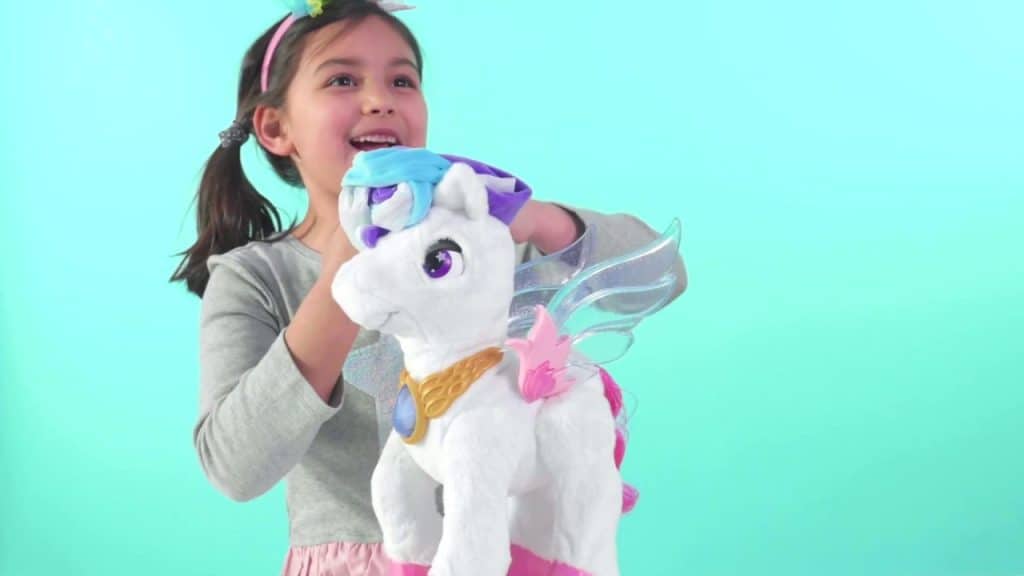
Choosing the right robot unicorn starts with understanding what kind of experience you want it to deliver.
For Imaginative Play
If the goal is storytelling and creative play, focus on responsiveness and behavior variation. The robot should react in ways that feel dynamic enough to support different play scenarios.
For Visual and Decorative Appeal
If the robot is part of a space, lighting quality and design become the priority. The unicorn should look cohesive and visually engaging even when not actively used.
For Interactive Depth
If you want more control, programmable or app-based models offer greater flexibility. These allow you to shape how the robot behaves, extending its usefulness over time.
For Long-Term Engagement
Long-term value comes from balance. Movement should be stable, interaction should be reliable, and behavior should include enough variation to avoid repetition. The best robot unicorn isn’t the one with the most features. It’s the one where all elements work together to create a consistent, engaging experience every time it’s used.
The Future of Robot Unicorns
Robot unicorns are evolving toward more immersive interaction. Advances in lighting technology, AI-driven behavior, and movement systems are making them more expressive and adaptive. Future models are likely to focus on:
- Better synchronization between outputs
- More dynamic interaction patterns
- Enhanced customization through apps
As these improvements develop, robot unicorns will continue to blend technology with creativity.
Final Thoughts
Robot unicorns are not about accuracy. They’re about experience. They combine movement, light, and sound into something expressive and engaging, creating a type of interaction that feels energetic and imaginative. When executed well, they offer more than just play. They create moments of creativity and immersion that stand out.
Frequently Asked Questions About Robot Unicorns
Are robot unicorns good for kids?
Yes, especially for imaginative play. They combine movement, sound, and visual elements to create engaging experiences.
Do robot unicorns require maintenance?
Minimal maintenance is needed, primarily charging and occasional cleaning.
Are robot unicorns realistic?
They are not designed for realism. Their value comes from fantasy, expression, and engagement.