How Robot Pets Enhance Sensory Experiences
Table of Contents
Robot pets have evolved far beyond simple electronic toys. Today’s robotic dogs, cats, birds, and other companion robots can respond to touch, react to voices, mimic lifelike behaviors, and create meaningful interactions that engage multiple senses at once. While many people initially view them as entertainment devices, researchers, therapists, caregivers, and consumers are increasingly recognizing their ability to provide sensory stimulation, emotional support, and cognitive engagement.
The growing interest in robot pets comes from a simple reality: sensory experiences play a major role in how people interact with the world. Whether it’s the comforting sensation of petting a soft animal, hearing a familiar sound, or watching responsive movements, sensory input can influence mood, focus, relaxation, and emotional well-being. Robot pets are uniquely positioned to deliver many of these experiences in a controlled, accessible, and consistent way.
Understanding how robot pets enhance sensory experiences requires looking beyond their technology and examining how touch, sound, movement, and emotional interaction work together to create meaningful engagement.
Why Sensory Experiences Matter More Than Most People Realize
Every day, the human brain processes enormous amounts of sensory information. Touch, sound, sight, movement, and environmental feedback help people understand their surroundings and regulate their emotions. When sensory input is balanced and predictable, it can contribute to feelings of comfort, safety, and engagement.
This is one reason animals often have a calming effect on people. Petting a dog, hearing a cat purr, or watching a bird move around can provide sensory feedback that promotes relaxation and emotional connection. However, real pets are not always practical. Some individuals have allergies, mobility limitations, housing restrictions, or caregiving challenges that make pet ownership difficult.
Robot pets help bridge this gap by delivering sensory enrichment without many of the responsibilities associated with living animals. They provide opportunities for tactile stimulation, auditory engagement, and visual interaction while remaining accessible to a wide range of users.
For children, sensory experiences can support development and learning. For adults, they can offer stress relief and emotional comfort. For seniors, they can help reduce feelings of loneliness and encourage engagement with their environment.
What Makes Robot Pets Different From Traditional Toys

Responsive Movements
Traditional stuffed animals remain static unless manipulated by the user. Robot pets, on the other hand, actively respond to interaction. A robotic dog may wag its tail when touched, follow movement with its eyes, or react when its name is called. A robotic cat may stretch, blink, or simulate purring behavior.
These responsive movements create a feedback loop that feels more dynamic and engaging. The user performs an action, and the robot pet reacts. This interaction helps create a sense of connection that passive toys cannot replicate.
Movement also contributes to visual sensory engagement. Watching a robotic pet respond naturally encourages attention and curiosity, particularly among children and older adults who benefit from cognitive stimulation.
Touch-Based Interactions
Many modern robot pets incorporate touch sensors that detect petting, hugging, or handling. These interactions are designed to mimic aspects of human-animal bonding.
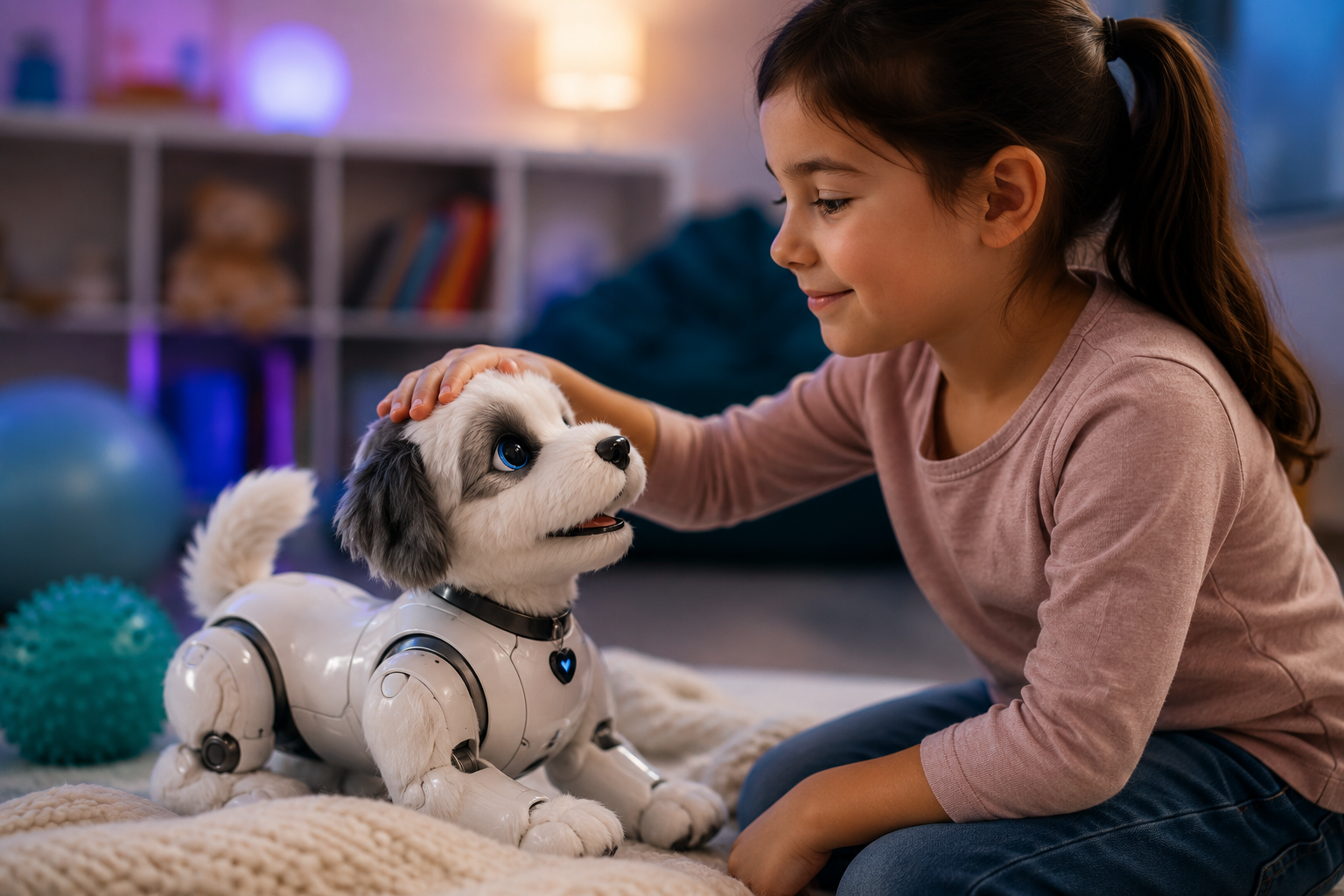
When a robotic pet reacts positively to touch, users experience a sense of responsiveness that enhances tactile engagement. This can be especially beneficial for individuals seeking calming sensory input or predictable interactions.
Sound and Auditory Feedback
Auditory feedback plays a significant role in creating immersive sensory experiences. Robot pets often produce sounds that mirror real animals, such as barking, meowing, chirping, or purring.
These sounds help reinforce interactions and provide additional sensory stimulation. Consistent auditory feedback can also support emotional comfort, particularly for individuals who respond positively to familiar and soothing sounds.
How Robot Pets Create Multi-Sensory Stimulation
Tactile Sensory Input
Touch is one of the most powerful sensory systems humans possess. Many robot pets are intentionally designed with soft fur, textured surfaces, or realistic materials that encourage physical interaction.
When users pet, hold, or cuddle a robotic companion, they receive tactile feedback that can be soothing and grounding. For individuals who benefit from sensory regulation, this physical interaction can help promote relaxation and reduce overstimulation.
The predictability of robotic interactions can be particularly valuable. Unlike living animals, robot pets respond consistently, which can help users feel more comfortable and in control of their sensory environment.
Visual Sensory Engagement
Movement captures attention. The subtle turning of a robotic pet’s head, blinking eyes, or tail wagging can create visual interest and encourage sustained engagement.
Visual stimulation becomes especially important for individuals experiencing cognitive decline or social isolation. Observing responsive behavior helps maintain attention and encourages interaction.
As artificial intelligence improves, visual realism continues to increase. Some robot pets now display remarkably lifelike behaviors that strengthen the illusion of companionship.
Auditory Sensory Experiences
Sound helps complete the sensory picture. Whether it’s a gentle purr, playful bark, or responsive chirp, auditory cues contribute to the perception that the robot pet is alive and engaged.
For some users, these sounds create emotional reassurance. For others, they provide additional sensory input that enhances interaction and engagement. The combination of touch, movement, and sound creates a richer experience than any single sensory channel could provide alone.
The Connection Between Robot Pets and Emotional Support
Sensory stimulation and emotional well-being are closely connected. Positive sensory experiences often contribute to reduced stress, lower anxiety, and improved mood. Robot pets create opportunities for emotional support through repeated, predictable interactions. Users often develop routines around engaging with their robotic companions, which can foster comfort and familiarity.
Research involving companion robots has shown promising results in reducing loneliness among older adults and encouraging social interaction in care environments. While robot pets cannot fully replicate human relationships or real animal companionship, they can provide meaningful emotional engagement.
The emotional value often comes from responsiveness. When a robot pet reacts to touch or attention, users experience a sense of acknowledgment that contributes to emotional connection.
The Science Behind Companion Robots and Cognitive Engagement
Beyond sensory stimulation, robot pets can contribute to cognitive engagement. Interactive behaviors encourage attention, decision-making, observation, and memory.
When users respond to a robot pet’s actions, they participate in an ongoing exchange that keeps the brain active. Even simple interactions can stimulate curiosity and encourage engagement with the surrounding environment.
This cognitive component is one reason robot pets continue gaining attention in healthcare and therapeutic settings. Their ability to combine sensory enrichment with interactive engagement creates a unique form of stimulation that traditional toys often cannot match.
Who Benefits Most From Sensory-Focused Robot Pets?

Robot pets can benefit a surprisingly broad audience. Children may enjoy developmental and sensory engagement opportunities. Adults often use them for stress relief and companionship. Seniors can benefit from emotional support and cognitive stimulation.
Individuals with sensory processing challenges, autism, anxiety, mobility limitations, or dementia may find particular value in robotic companions. However, many users simply enjoy the comfort and interaction they provide.
The versatility of robot pets is one of their greatest strengths. Their ability to adapt to different needs and preferences makes them appealing across age groups and life stages.
How Robot Pets Help Children With Autism and Sensory Processing Challenges
Children with autism spectrum disorder often experience sensory processing differences that affect how they interact with their environment. Some may seek additional sensory input, while others may become overwhelmed by unpredictable stimuli.
Robot pets offer a controlled environment for sensory exploration. Their responses are generally consistent, predictable, and customizable. This predictability can reduce anxiety while encouraging interaction.
Many children find comfort in repetitive and reliable sensory experiences. A robotic dog that responds the same way each time it is petted can provide reassuring consistency. The combination of tactile stimulation, visual feedback, and sound can support sensory engagement without introducing the unpredictability sometimes associated with real animals.
Robot pets can also serve as social bridges. Therapists and educators have used interactive robots to encourage communication, emotional expression, and cooperative play. Because the interaction feels engaging rather than instructional, children may participate more willingly and confidently.
Robot Pets in Dementia Care and Senior Living
One of the most successful applications of companion robots has emerged in dementia care and senior living communities. Older adults experiencing memory loss often face challenges related to loneliness, reduced social interaction, and anxiety. Robot pets provide a form of companionship that requires minimal maintenance while still encouraging meaningful engagement.
The sensory benefits are significant. Soft fur provides tactile stimulation. Familiar animal sounds offer auditory comfort. Responsive movements capture attention and encourage interaction.
Caregivers frequently report that seniors who interact with robotic pets display increased engagement, improved mood, and greater willingness to participate in social activities. For individuals who once owned pets but can no longer care for them, robotic companions can evoke positive memories and emotional connections.
Robotic Dogs vs Robotic Cats: Different Sensory Experiences
Not all robot pets provide the same sensory experience.
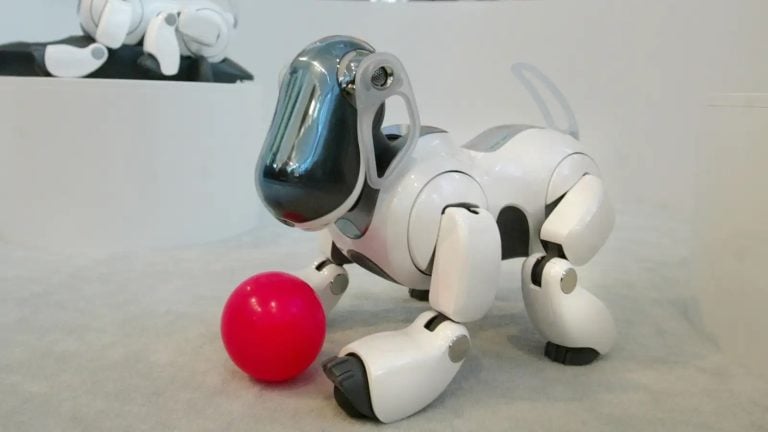
Robotic dogs often emphasize active interaction. They may walk, respond to commands, follow users, or engage in playful behaviors. This creates a dynamic sensory experience that encourages movement and engagement.
Robotic cats tend to focus more on calming interactions. Simulated purring, gentle movements, and cuddle-friendly designs often appeal to users seeking relaxation and comfort.
The choice between a robotic dog and a robotic cat depends largely on individual preferences and sensory goals. Some users enjoy energetic interaction, while others prefer soothing companionship.
What to Look for When Choosing a Robot Pet
If sensory engagement is your primary goal, focus on features that encourage multi-sensory interaction. Look for responsive touch sensors, realistic movement patterns, soft materials, and high-quality auditory feedback. Products that combine these elements tend to create more immersive experiences.
Battery life, durability, and ease of use are also important considerations. For seniors and younger children, intuitive controls often enhance the overall experience. Evaluating the intended purpose can also help narrow options. Some robot pets prioritize companionship, while others focus on entertainment or educational interaction.
The Future of Sensory Robotics and Artificial Intelligence
The next generation of robot pets is likely to become even more responsive, adaptive, and emotionally intelligent.
Advances in artificial intelligence, machine learning, and sensor technology are enabling companion robots to recognize patterns, learn user preferences, and respond more naturally. Future robotic companions may adjust their behavior based on emotional cues, activity levels, or environmental conditions.
As sensory robotics continues to evolve, robot pets will likely play increasingly important roles in healthcare, education, therapy, and everyday life. Their ability to combine technology with meaningful sensory experiences positions them at the intersection of innovation and human connection.
Frequently Asked Questions
Are robot pets good for autism?
Many children with autism benefit from the predictable and controlled sensory experiences that robot pets provide. Their consistent responses can support sensory regulation, reduce anxiety, and encourage interaction without the unpredictability of live animals.
Can robot pets reduce anxiety?
Robot pets may help reduce anxiety by providing calming sensory input through touch, movement, and sound. Many users find comfort in repetitive, predictable interactions that promote relaxation and emotional reassurance.
How do robot pets help seniors?
Robot pets can provide companionship, sensory stimulation, and emotional engagement. In senior living and dementia care settings, they often help reduce loneliness while encouraging social interaction and cognitive activity.
Can robot pets replace real pets?
Robot pets cannot fully replicate the emotional depth and biological relationship people develop with living animals. However, they can offer meaningful companionship and sensory benefits for individuals who cannot own or care for real pets.
What senses do robot pets stimulate?
Most robot pets engage multiple senses simultaneously, including touch through tactile interaction, sight through movement and visual behaviors, and hearing through realistic animal sounds and responses.
Are robotic dogs better than robotic cats?
Neither is inherently better. Robotic dogs generally encourage more active interaction and engagement, while robotic cats often focus on soothing and calming sensory experiences. The best choice depends on personal preferences and sensory goals.
Do robot pets improve social interaction?
They can. Robot pets often act as conversation starters and shared points of interest, particularly in healthcare, educational, and community settings where social engagement is encouraged.
Are robot pets worth buying for sensory stimulation?
For individuals seeking consistent sensory enrichment, emotional comfort, or interactive companionship, robot pets can provide significant value. Their ability to combine tactile, auditory, and visual feedback creates a uniquely engaging experience that extends well beyond traditional toys.