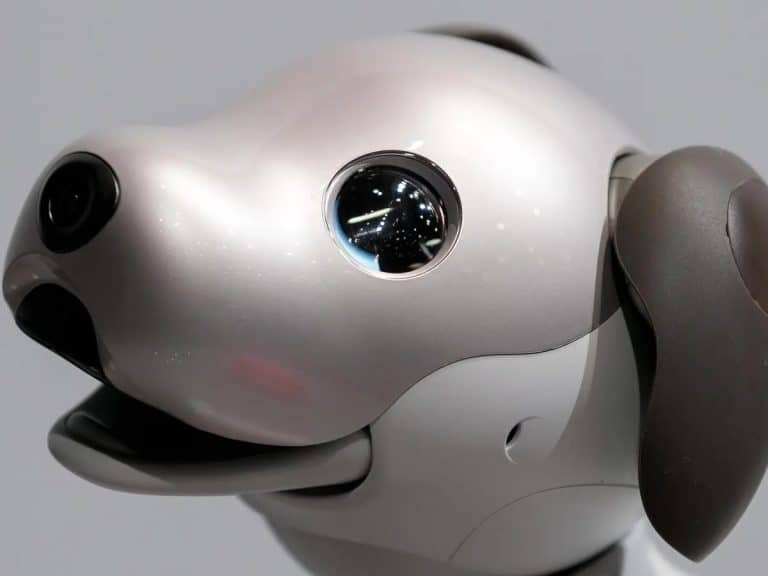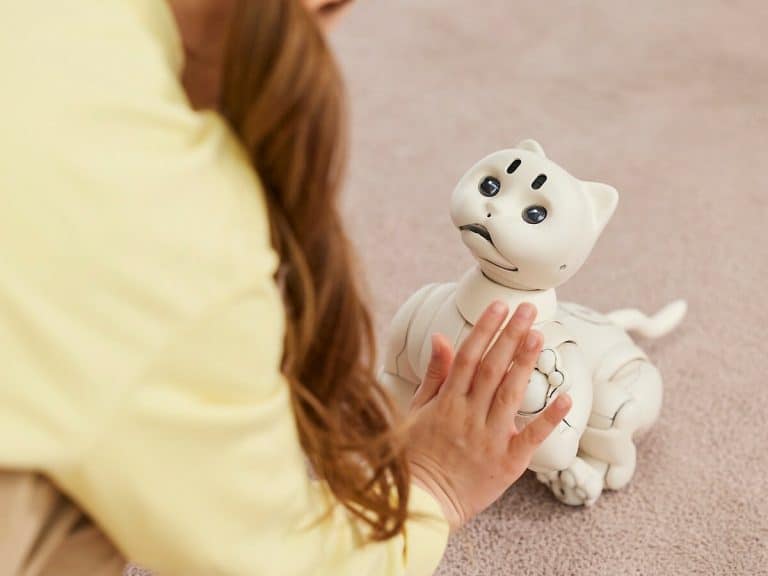
The use of robot pets in assisted living facilities offers potential benefits such as alleviating loneliness, providing therapeutic support, and requiring minimal maintenance. However, ethical concerns arise regarding their potential to exacerbate social isolation, perpetuate deception, foster dependency, and challenge the ethical responsibilities of caregivers in prioritizing genuine human connection and holistic well-being.
Looking for a fun, interactive, and programmable toy? Meet the LEXiBook Power Puppy My Smart Robot Dog! It's the ideal choice for parents seeking to blend learning with play, offering endless entertainment and educational opportunities for children.
In assessing the psychological adequacy of robot pets as substitutes for live animals, it is imperative to discern whether these artificial companions can authentically fulfill human needs. This entails exploring facets such as emotional satisfaction and the inherent constraints associated with their artificial design — in which we explore in this article.
The rise of robot pets is reshaping traditional animal industries such as pet care, pet food, and veterinary services. Here we highlight how this shift influenced certain strategies and preferences.
Our Social Media
Follow Us Follow Us Follow Us