The Emergence of Robot Pet Industries
Table of Contents
The robot pet industry is rapidly evolving from a niche tech experiment into a growing global market that blends artificial intelligence, robotics, healthcare innovation, and consumer lifestyle trends. As advances in AI, sensors, and emotional-response programming accelerate, robot pets are no longer simple novelty gadgets. They are becoming companions, therapy tools, educational devices, and even part of the broader smart-home ecosystem.
This shift is fueling the emergence of a full-scale robot pet industry that is attracting robotics startups, healthcare providers, consumer electronics manufacturers, and investors seeking opportunities in next-generation companion technology.
What Are Robot Pets?
Robot pets are AI-powered robotic companions designed to simulate the behaviors, responses, and emotional interaction patterns of real animals. Using machine learning, motion sensors, facial recognition, and adaptive behavioral programming, these robots can respond to touch, voice commands, and environmental changes.
Unlike traditional toys, modern robotic pets are built to:
- learn user habits over time
- recognize voices and faces
- simulate emotional reactions
- provide companionship and engagement
- assist in therapy and elderly care
The goal is not simply entertainment but creating meaningful interaction between humans and machines.
Early Foundations of the Robot Pet Market
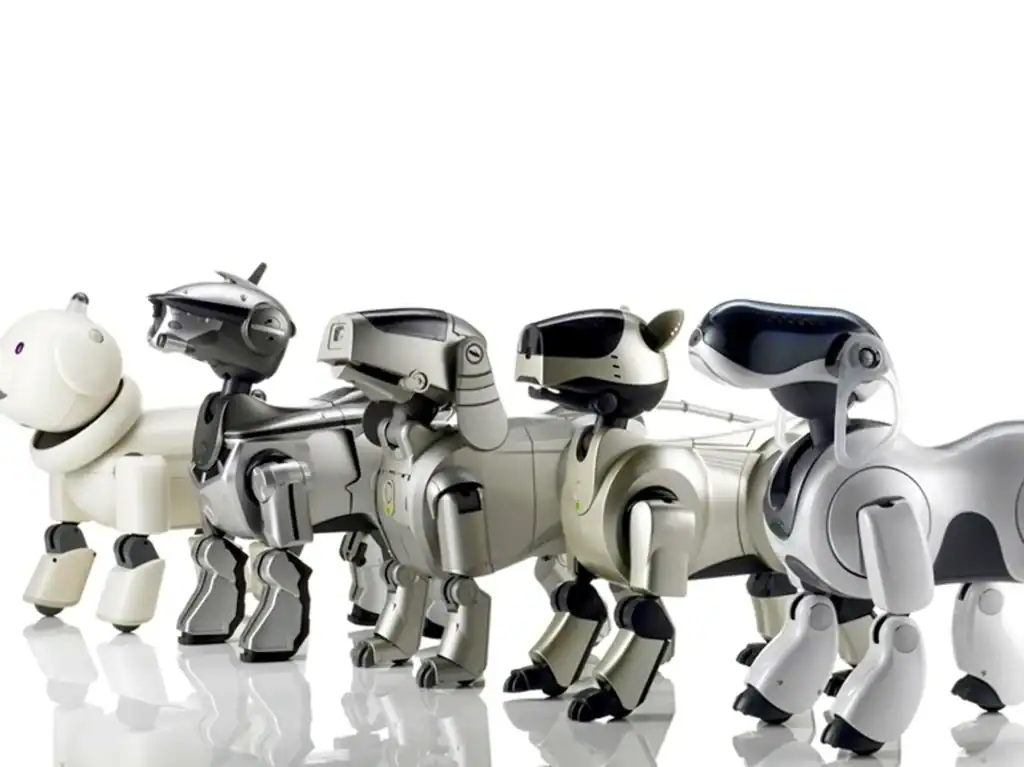
The concept of robotic pets began gaining public attention in the late 1990s and early 2000s, when companies experimented with AI-driven robotic animals designed to mimic real pets. While early models had limited capabilities, they demonstrated strong consumer interest in interactive robotic companions.
Over time, improvements in:
- artificial intelligence
- battery technology
- motion engineering
- cloud connectivity
- machine learning systems
allowed manufacturers to produce significantly more realistic and emotionally responsive robotic pets. This technological maturity laid the foundation for the modern robot pet industry.
Leading Robot Pets Driving Industry Growth
Sony Aibo and AI Dog Companions
Sony’s Aibo is one of the most recognizable robot pets, featuring advanced AI learning systems that allow the robot to develop personality-like behaviors based on user interaction. The device can recognize family members, respond to commands, and adapt its actions over time, demonstrating how robotic companions can simulate emotional bonding.
Loona Smart Robot Pet
Loona represents the new generation of compact consumer robot pets. Equipped with facial recognition, obstacle avoidance, and real-time AI responses, Loona highlights how robot pets are becoming accessible to mainstream households rather than remaining a luxury technology.
Lovot Emotional Companion Robots
Lovot robots are designed specifically for emotional companionship rather than utility tasks. Their creators focus on emotional engagement, warmth simulation, and behavioral interaction, making them particularly popular in therapy environments and eldercare facilities.
Key Industries Fueling the Robot Pet Boom
The rapid expansion of robot pet industries is being driven by several interconnected sectors:
Healthcare and Therapy
Hospitals, elderly care centers, and therapy programs increasingly use robotic pets to provide emotional comfort, particularly for patients experiencing dementia, anxiety, or social isolation. Research shows that interactive robotic companions can reduce stress levels and improve emotional well-being.
Consumer Electronics
Major electronics brands are integrating robotics into consumer lifestyle products, positioning robot pets as part of smart homes alongside voice assistants and connected appliances.
Education and STEM Learning
Robot pets are also becoming educational tools that introduce children to robotics, programming, and artificial intelligence through interactive learning experiences.
Smart Home Ecosystems
Future robot pets are expected to integrate with home automation systems, acting as mobile sensors capable of monitoring rooms, interacting with smart devices, and assisting with household notifications.
Market Growth and Investment Trends

The global robot pet market is expanding as demand rises for alternative companionship solutions, particularly in urban environments where pet ownership may be restricted. Investors are increasingly funding robotics startups developing AI-driven companion robots, recognizing the long-term potential of this sector.
Key growth drivers include:
- aging global populations seeking companionship technology
- increasing acceptance of AI in everyday life
- improvements in robotics manufacturing costs
- growing interest in emotional AI systems
- expansion of smart-home ecosystems
As production costs decrease, robot pets are expected to become more affordable, accelerating mainstream adoption.
Challenges Facing the Robot Pet Industry
Despite strong growth potential, the industry faces several challenges:
- high initial product costs compared to traditional pets
- ethical debates surrounding emotional attachment to machines
- privacy concerns involving connected AI devices
- limitations in battery life and long-term durability
- ongoing need for software updates and maintenance
Addressing these challenges will be critical for sustaining long-term consumer trust and adoption.
The Future of Robotic Companionship
The emergence of robot pet industries signals a broader transformation in how humans interact with artificial intelligence. As emotional AI becomes more sophisticated, robotic companions may evolve into multifunctional home assistants capable of providing companionship, healthcare monitoring, security alerts, and smart-home interaction.
In the coming decade, robot pets are likely to shift from novelty technology into everyday lifestyle companions, creating a new category of consumer robotics that blends emotional connection, intelligent automation, and digital living.