Economic Barriers: The Accessibility of Robot Pets for Different Income Levels
Table of Contents
Robot pets are no longer sci-fi novelties. From lifelike robotic dogs that respond to voice commands to simple digital companions designed for emotional comfort, these devices are slowly making their way into homes, hospitals, and care facilities. But as interest grows, a bigger question follows: who can actually afford a robot pet?
The accessibility of robot pets varies sharply across income levels, and cost remains the biggest barrier standing between curiosity and ownership.
What Are Robot Pets, Really?
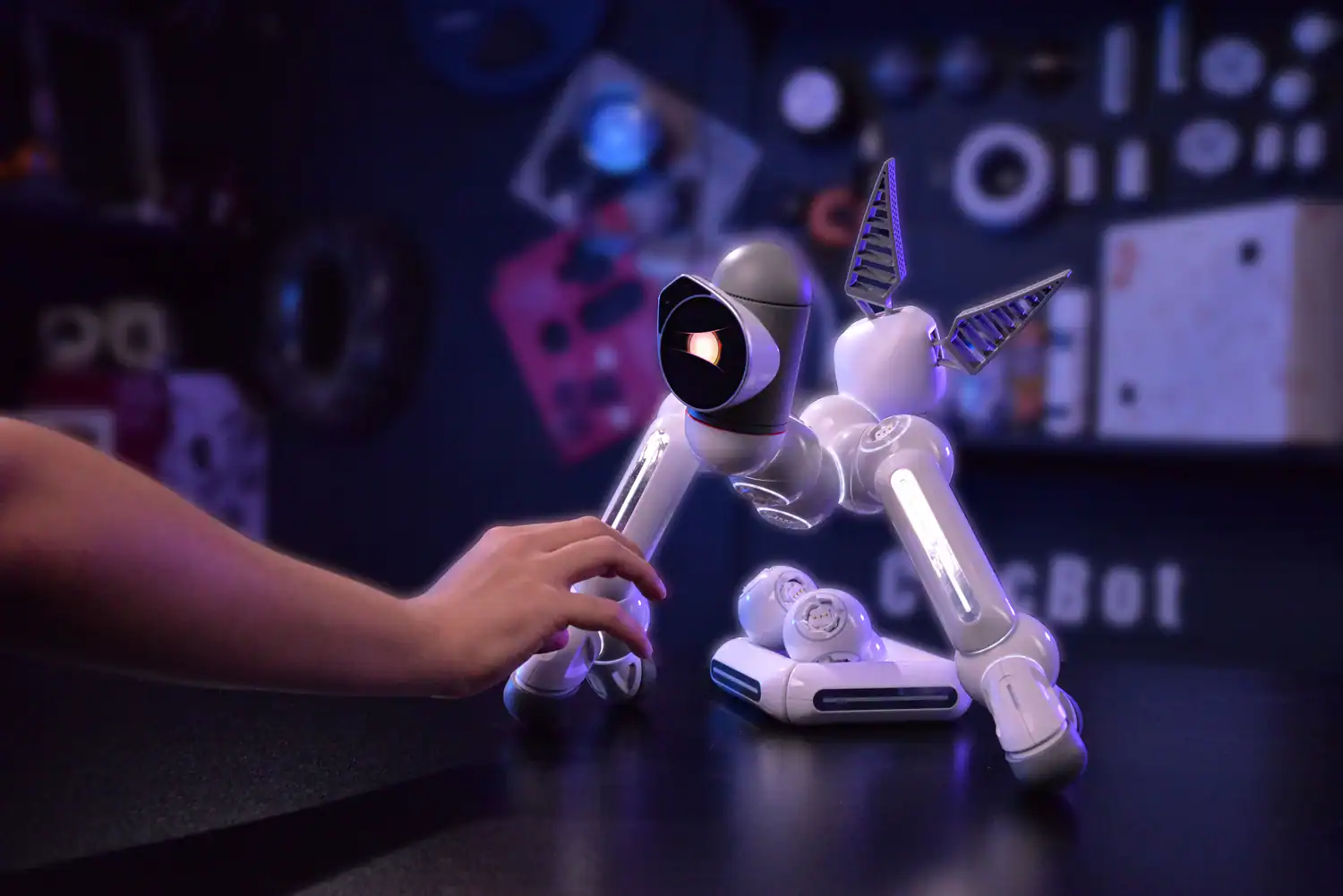
Robot pets are interactive devices designed to mimic animal behavior. Some walk, bark, purr, or wag their tails. Others focus less on movement and more on companionship, using sounds, touch sensors, and basic AI responses to engage with users.
High-end versions, such as Sony’s Aibo, can recognize faces, learn routines, and adapt behavior over time. Budget models, on the other hand, may offer limited interaction but still deliver emotional comfort, especially for children or older adults.
The High-Income Market: Premium Companions
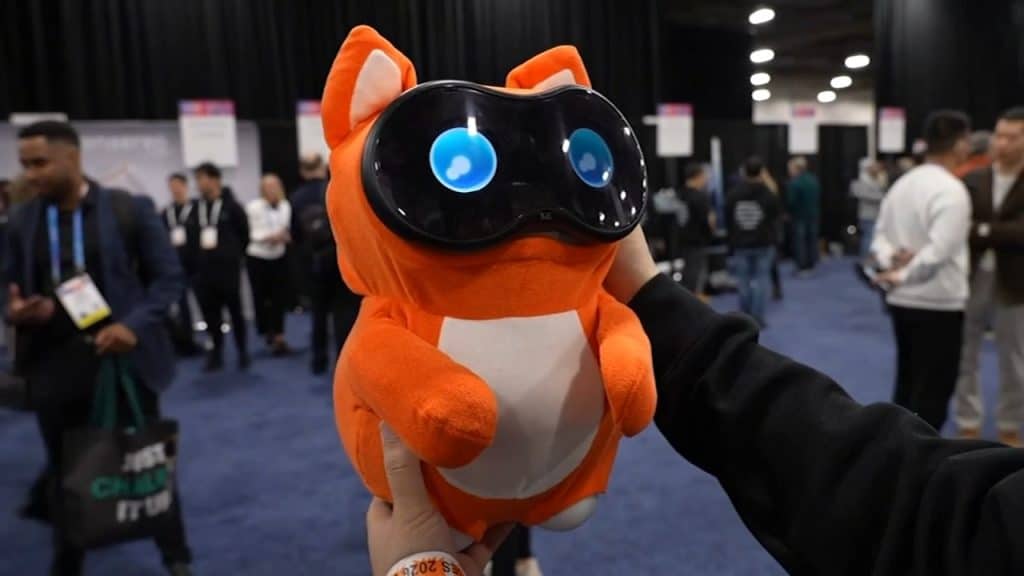
For higher-income households, robot pets are often viewed as luxury tech. These models can cost anywhere from $1,500 to over $3,000, with additional expenses for:
- Software updates or subscriptions
- Repairs and replacement parts
- Accessories and customization
For this group, robot pets compete with smart home devices, gaming consoles, and high-end gadgets. The cost isn’t prohibitive. It’s discretionary. Buyers are paying for realism, advanced AI, and long-term engagement.
Middle-Income Households: Interested but Hesitant
Middle-income families often sit on the fence. While curiosity is high, price sensitivity plays a major role. Spending over $1,000 on a robotic companion, especially one that doesn’t serve a clear practical function, can feel hard to justify.
This group tends to look for:
- Mid-range robot pets priced under $500
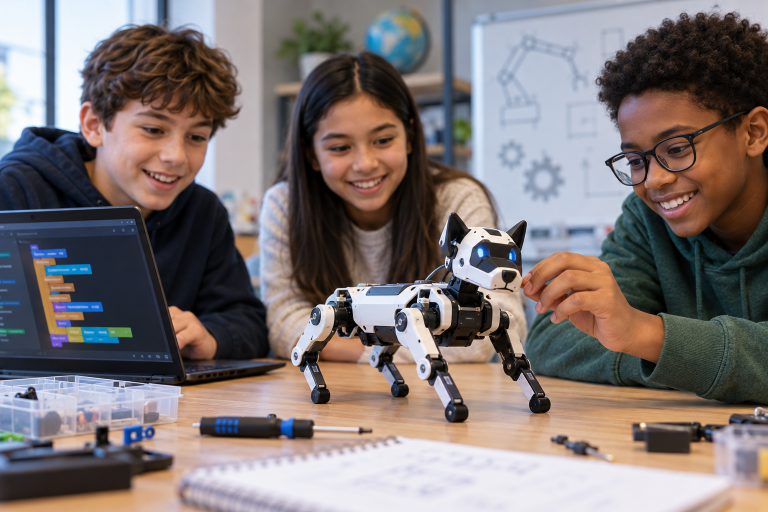
- Clear value, such as educational benefits for kids
- Emotional or therapeutic use cases
For many, robot pets fall into the “nice to have” category rather than a necessity. Sales spikes often happen during holidays or when discounts bring prices into a more accessible range.
Low-Income Groups: Access Is Extremely Limited
For low-income households, robot pets are largely out of reach. When budgets are focused on essentials like food, housing, and healthcare, even entry-level robot pets priced at $100–$300 can be unrealistic. In these cases, traditional toys or real pets, despite their ongoing costs, are often seen as more practical or emotionally rewarding.
This gap becomes especially visible in discussions around:
- Assistive technology
- Emotional support tools
- Companionship for elderly individuals living alone
Ironically, the groups that could benefit most from robot pets, such as isolated seniors or individuals with disabilities, are often the least able to afford them without assistance.
Hidden Costs That Widen the Gap
The sticker price isn’t the only issue. Robot pets come with ongoing costs that disproportionately affect lower-income users:
- Battery replacements or charging infrastructure
- App compatibility requiring newer smartphones
- Internet access for updates and features
- Repairs that can’t be handled at home
These indirect expenses quietly widen the accessibility gap, even when the initial purchase seems affordable.
Are There Efforts to Improve Accessibility?

Some progress is happening, but slowly.
Healthcare providers and senior care facilities have begun using robot pets in shared environments, spreading the cost across institutions rather than individuals. There are also educational grants and pilot programs testing low-cost robotic companions in schools and care homes.
However, mass-market affordability hasn’t arrived yet. Until production scales up or subsidies become more common, robot pets will remain unevenly distributed across income levels.
The Bigger Picture: Technology and Inequality
Robot pets highlight a familiar pattern in consumer tech. Innovation arrives first for those who can pay, then gradually trickles down, if it ever does.
As artificial intelligence and robotics continue to advance, the challenge isn’t just making robot pets smarter. It’s making them accessible, affordable, and genuinely useful for people across all income brackets.
Until that happens, robot pets will remain comforting companions for some, and distant curiosities for many others.