7 Accessories for Enriching Robot Pet Interactions
Table of Contents
Robot pets become far more engaging when they exist inside an interactive ecosystem instead of functioning as isolated gadgets. That’s one of the biggest differences between robot pets that feel temporarily entertaining and robot pets that continue holding attention months after purchase.
A surprisingly large number of owners lose interest in robot pets because the interactions become predictable. The robot performs the same animations, responds to the same commands, and repeats the same behavioral loops until the novelty fades. Accessories change that dynamic completely. They introduce variation, environmental interaction, sensory stimulation, and new forms of responsiveness that make AI companion toys feel more alive.
This is especially important as modern interactive robot pets become increasingly sophisticated. Today’s robot dogs, robot cats, and AI companion toys often include machine learning behaviors, adaptive responses, app integration, and environmental sensors. Accessories amplify those systems by giving the robot more opportunities to react, learn, navigate, and simulate companionship in believable ways.
The best accessories don’t simply add features. They deepen interaction quality.
Why Accessories Matter for Interactive Robot Pets
Most people initially think of robot pet accessories as optional add-ons, but they actually play a major role in maintaining long-term engagement. Interactive systems depend heavily on environmental stimulation. Without it, even advanced AI pets eventually begin to feel repetitive.
Real animals constantly react to changing surroundings. They chase moving objects, respond to sound, recognize routines, explore spaces, and adapt to different types of interaction. Robot pets attempt to simulate these experiences through sensors, programmed behaviors, and AI systems, but accessories often provide the external stimuli needed to trigger those behaviors more naturally.
For example, a robot dog with motion tracking behaves very differently when paired with smart balls, obstacle systems, or voice-controlled play accessories. Instead of cycling through pre-programmed animations randomly, the robot begins reacting to external events in ways that appear more dynamic and believable.
Accessories also help extend ownership longevity. One of the biggest issues in the consumer robotics space is interaction fatigue. Users become accustomed to the robot’s default behavior patterns very quickly. New environments, customization tools, and interactive play systems help maintain curiosity by continuously changing how the robot behaves.
This becomes even more important for children, seniors, and users seeking emotional companionship. The perceived “personality” of a robot pet often depends less on the hardware itself and more on how varied the interactions feel over time.
Smart Sensors That Make Robot Pets Feel More Responsive
Sensor accessories dramatically improve how interactive robot pets respond to their environment. In many cases, the realism people associate with advanced AI companion robots actually comes from fast environmental feedback rather than pure artificial intelligence.
Motion Detection
Motion detection systems are one of the most effective upgrades because they allow robot pets to track movement, follow users, and react dynamically during play. A robot dog that notices movement across a room naturally feels more attentive than one operating on fixed behavioral loops.
Touch-Sensitive Accessories
Touch-sensitive accessories create another layer of emotional realism. Some advanced robot pets can distinguish between tapping, petting, holding, or physical gestures. Accessories that expand tactile interaction zones make responses feel more nuanced and less mechanical.
Voice Control
Voice control systems also significantly enrich interactions. Many modern robot pets already support voice recognition, but external microphones, smart speakers, or app-linked voice modules improve response accuracy and increase the range of possible commands. Integration with systems like Amazon Alexa or Google Assistant can further expand automation possibilities.
Obstacle Avoidance
Obstacle avoidance accessories are particularly important for mobile robot pets. Navigation towers, beacon systems, and environmental mapping tools help robot pets move more naturally while reducing collisions and repetitive movement patterns.
When sensor systems improve, the robot pet begins reacting with greater contextual awareness, which creates the impression of intelligence even when the underlying programming remains relatively simple.
Charging Docks and Smart Home Stations for Robot Pets
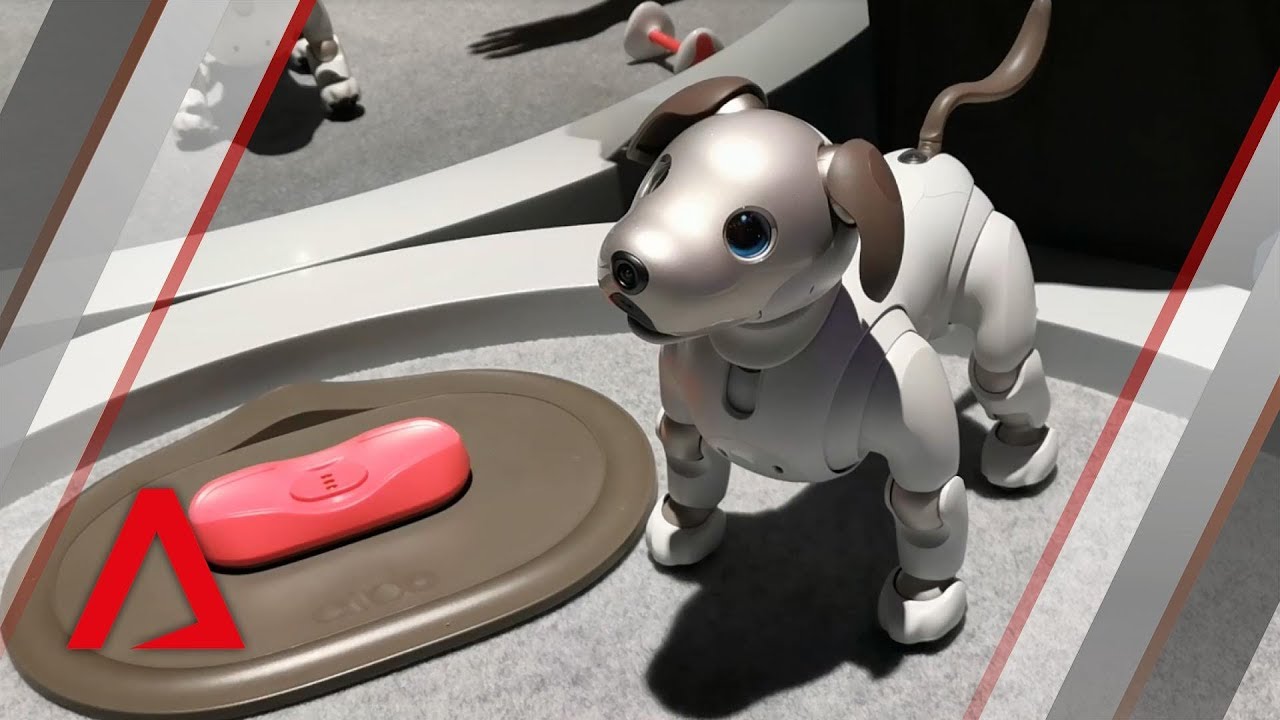
Charging docks may sound purely functional, but they actually contribute heavily to immersion and behavioral realism.
One reason robotic companions feel more believable is that they simulate routines. Autonomous charging behavior mimics how living pets retreat to resting areas after activity. When a robot pet independently returns to its charging dock, the interaction feels less like operating a gadget and more like observing a creature following habitual behavior.
Advanced docking stations also help preserve interaction continuity. Instead of manually shutting down the robot or interrupting play sessions abruptly, smart charging systems allow the robot to transition naturally between active and idle states. Some premium AI companion robots even incorporate sleep simulations, idle animations, and reactivation behaviors tied to docking systems. These subtle transitions matter psychologically because they create the illusion of an ongoing “life cycle” rather than isolated command-response interactions.
Smart home integration further expands these systems. A connected dock can trigger room lighting, activate ambient sounds, or coordinate with app routines that simulate feeding schedules, wake-up cycles, or play periods. The accessory itself may look simple, but its contribution to environmental storytelling is surprisingly powerful.
Interactive Toys and Playsets for Robot Dogs and Robot Cats

Interactive toys are among the most effective accessories for maintaining long-term engagement because they activate pursuit, curiosity, and responsiveness simultaneously.
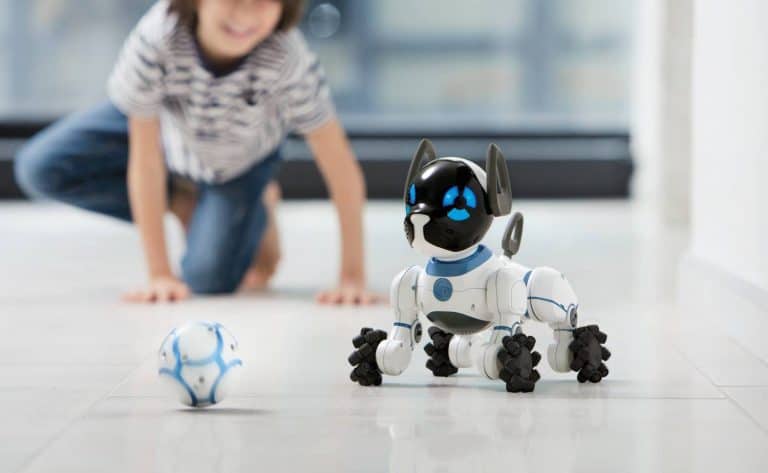
Smart balls and moving targets are particularly useful for robot dogs designed around chase behaviors. Motion-reactive toys create unpredictability, which prevents interactions from feeling scripted. Instead of repeating identical actions, the robot pet continuously recalculates movement and response timing based on changing object positions.
Robot cats benefit heavily from laser-based play accessories and moving teaser systems. These accessories trigger tracking behaviors that simulate predatory instincts in ways users instantly recognize as pet-like.
Some manufacturers now produce treat simulation systems that imitate reward-based interaction without using real food. The robot may perform actions in response to virtual “feeding” cues, reinforcing the illusion of training and behavioral development.
Modular play environments represent one of the most interesting emerging categories. These systems include tunnels, smart gates, ramps, sensor mats, and programmable navigation layouts that change how the robot interacts with physical space. The key advantage of modular environments is behavioral variety. The robot isn’t simply performing actions. It’s adapting to changing environmental conditions, which significantly increases replay value.
App Integrations That Expand AI Companion Features
App ecosystems increasingly define the long-term value of robot pets. The hardware itself may remain unchanged for years, but software updates and accessory integration can dramatically expand functionality.
Mobile apps allow owners to customize behavioral settings, emotional responses, movement sensitivity, and interaction preferences. Some systems even track user engagement patterns and gradually adapt behavior over time. This is where accessories become especially powerful. External sensors, smart wearables, environmental triggers, and connected toys often rely on app coordination to function properly.
Emotion simulation systems are becoming increasingly advanced as well. Some AI companion toys can display mood states influenced by interaction frequency, environmental activity, or voice engagement. Accessories help reinforce these emotional systems by creating more opportunities for contextual reactions.
Activity tracking features also help families monitor interaction patterns. Parents using educational robot pets may track coding exercises, response tasks, or learning sessions through connected apps. The strongest robot pet ecosystems feel expandable rather than static. Accessories supported through app ecosystems allow the experience to evolve gradually instead of becoming outdated after initial novelty fades.
Customization Accessories That Build Emotional Attachment
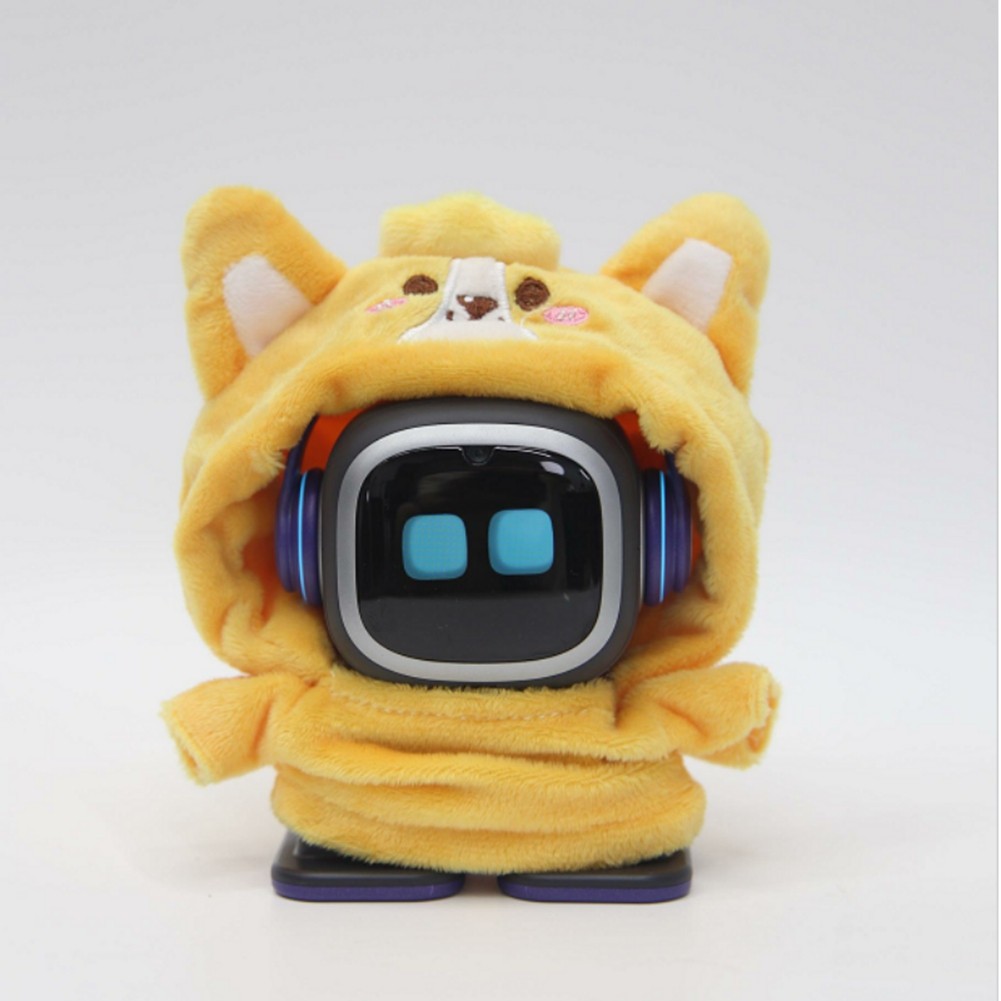
People form stronger emotional attachments to robot pets when the experience feels personalized. Customization accessories help transform robot pets from mass-produced devices into individualized companions. Cosmetic skins, interchangeable face panels, wearable accessories, and personality packs all contribute to that effect.
Voice packs are especially impactful because vocal behavior strongly influences perceived personality. Small changes in tone, responsiveness, or emotional simulation can dramatically alter how users emotionally interpret the robot.
Wearable accessories also influence interaction psychology more than most people expect. Clothing, collars, LED accessories, and themed cosmetic upgrades reinforce ownership identity in ways similar to customizing avatars in video games.
Children often become especially attached when they can actively shape the robot’s appearance or behavioral style. That sense of co-creation increases engagement because the robot begins feeling uniquely “theirs.” This emotional personalization is one reason the AI companion robotics market continues expanding beyond novelty gadgets into long-term consumer ecosystems.
Educational and STEM Accessories for Robot Pets
Educational accessories are transforming robot pets into learning platforms rather than passive entertainment devices.
Coding kits are among the most valuable additions because they allow users to program movement patterns, reactions, and interaction sequences. Instead of only consuming technology, children begin understanding how robotic systems interpret inputs and execute behaviors.
Programmable environments also introduce problem-solving opportunities. Children can design obstacle courses, create sensor-triggered events, or experiment with behavioral logic systems.
Some advanced STEM robot accessories integrate visual programming languages that make robotics concepts more accessible to younger users. This lowers the barrier to entry while still teaching sequencing, logic, automation, and systems thinking.
Educational robot pet accessories work particularly well because the emotional engagement factor increases learning persistence. Kids often spend longer experimenting with coding systems when attached to a robot companion than they would with abstract educational software alone. That emotional connection creates a powerful bridge between entertainment and technical learning.
Accessories That Improve Robot Pet Interaction for Seniors
Robot pet accessories aren’t only designed for children or hobbyists. Companion robotics increasingly plays a role in senior care, emotional support, and cognitive engagement.
For older adults, accessibility accessories can significantly improve usability. Larger charging stations, simplified voice interfaces, high-contrast controls, and hearing-friendly audio systems make interaction easier and less frustrating. Voice assistant integration is especially valuable because it allows seniors to interact naturally without navigating complex apps or menus.
Companion-focused accessories may also support routines that encourage regular engagement. Reminder systems, scheduled greetings, responsive interaction cues, and environmental triggers can help create a comforting daily structure.
Research around robotic companionship continues growing, particularly regarding loneliness reduction and emotional stimulation. Accessories that enhance responsiveness and interaction realism often improve these benefits substantially because the robot feels more socially present. The goal isn’t replacing human connection. It’s creating additional layers of engagement and responsiveness that support emotional well-being.
How to Build the Ideal Robot Pet Environment at Home
The environment surrounding a robot pet influences interaction quality just as much as the robot itself.
- Open floor layouts generally improve navigation performance because sensors can operate more accurately without excessive obstruction.
- Flooring matters too. Thick rugs, reflective surfaces, or cluttered pathways may interfere with movement systems depending on the robot design.
- Lighting conditions also affect sensor accuracy. Some robot pets rely heavily on cameras, infrared systems, or environmental mapping tools that perform differently under low-light conditions.
- Interaction fatigue is another environmental issue people rarely consider. Constant stimulation can actually reduce engagement quality over time. Rotating accessories periodically often works better than exposing the robot to every available accessory simultaneously.
- Dedicated interaction zones help maintain novelty. A robot pet that only operates in one small corner of a room may eventually feel repetitive. Expanding environmental variation through modular accessories and changing layouts keeps interaction patterns fresh.
The most immersive robot pet experiences usually emerge from carefully designed ecosystems rather than individual accessories alone.
Common Mistakes People Make When Buying Robot Pet Accessories
- Prioritizing novelty over compatibility: Some accessories look impressive but provide minimal long-term interaction value if they don’t integrate deeply with the robot’s sensor systems or software ecosystem.
- Overloading the environment with too many simultaneous accessories: Excessive stimulation can confuse navigation systems or reduce the meaningfulness of individual interactions.
- Underestimating software support: Accessories tied to poorly maintained apps may lose functionality over time if firmware updates stop arriving.
- Ignoring emotional interaction design: The best accessories usually enhance responsiveness, personalization, or environmental variation rather than simply adding cosmetic features.
- Failing to think long-term: Robot pet ecosystems evolve quickly, so expandable platforms with ongoing accessory support often provide better value than isolated novelty devices.
The Future of AI Companion Robot Accessories
The future of robot pet accessories will likely revolve around adaptive AI ecosystems rather than isolated hardware add-ons. Future accessories may include emotion-sensitive environmental systems, biometric interaction tracking, advanced conversational modules, and context-aware smart environments that continuously reshape robot behavior.
Mixed reality integration could also transform robot pet interaction. Augmented reality play systems may allow robot pets to interact with virtual objects layered into physical spaces through smartphones or AR glasses. Machine learning personalization will probably deepen as well. Accessories may gradually adapt interaction difficulty, emotional tone, or activity complexity based on user behavior patterns over time.
The broader trend points toward persistent AI companionship rather than short-term novelty robotics. As the technology matures, accessories will increasingly determine whether robot pets feel static or genuinely interactive.
Frequently Asked Questions
What accessories make robot pets more interactive?
Accessories that improve environmental responsiveness tend to have the biggest impact. Smart sensors, interactive toys, app integrations, and modular play environments all help create more varied and believable interactions.
Are robot pet accessories worth buying?
In many cases, yes. Accessories often extend engagement lifespan significantly by introducing new behaviors, environmental variation, and customization opportunities that prevent interaction fatigue.
Can robot pets learn behaviors through accessories?
Some advanced robot pets can adapt behavior patterns through AI systems, coding accessories, or app-based training tools. The level of learning varies depending on the robot platform.
Do robot pets work with smart home systems?
Many modern robot pets support integration with systems connected to Amazon Alexa, Google Home, or proprietary mobile apps.
Which accessories are best for children?
Educational coding kits, interactive playsets, and programmable obstacle environments tend to provide the best balance between entertainment and STEM learning.
Can seniors benefit from robot companion accessories?
Yes. Accessibility tools, voice assistance integration, and emotionally responsive interaction systems can help improve usability and engagement for older adults.