Are Robot Pets Worth the Investment?
Table of Contents
Robot pets have come a long way from being simple toys to advanced companions powered by artificial intelligence. They bark, purr, respond to touch, and even learn your habits. But are they truly worth investing in? Let’s explore how they compare to real pets, their benefits, limitations, and what potential buyers should consider before taking the plunge.
What Are Robot Pets and How Do They Work?
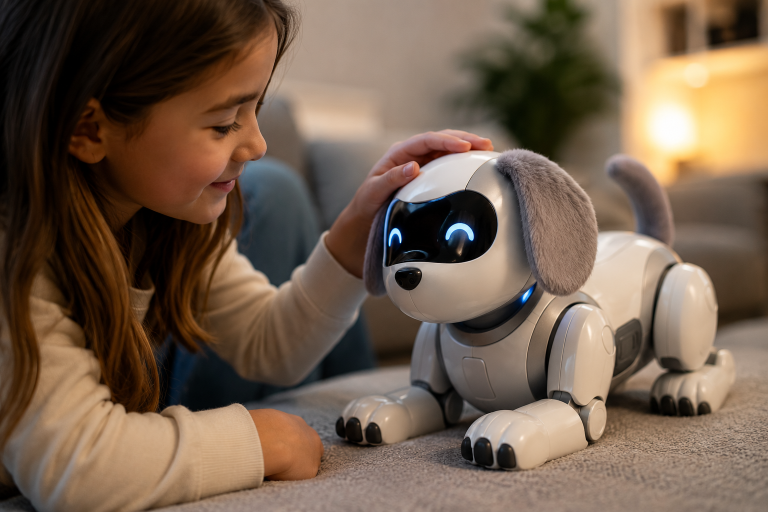
Robot pets are mechanical companions designed to mimic the behavior of real animals. Using sensors, microphones, and machine learning, they respond to voice commands and physical touch. Some can even adapt to your routines over time.
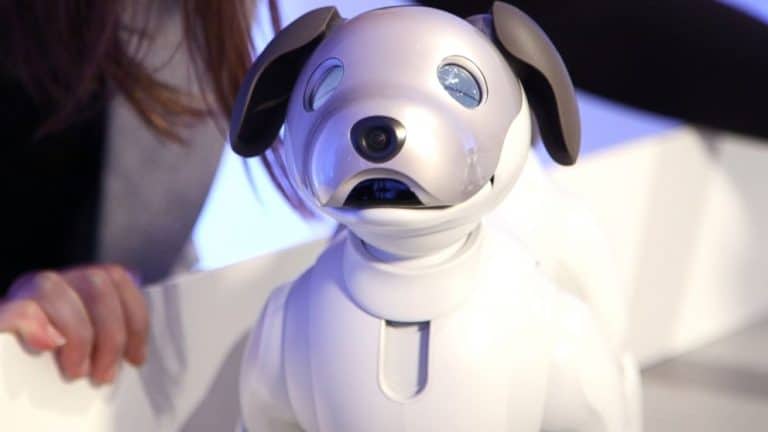
Common examples include robotic dogs like Aibo, robotic cats for seniors, and therapeutic companion pets used in hospitals or nursing homes. They’re not just for entertainment. They’re often used to combat loneliness or provide emotional support.
Why People Choose Robot Pets

There are several reasons people turn to robotic companions instead of live animals.
- Low maintenance: No feeding, grooming, or vet visits.
- Allergy-free: Perfect for those sensitive to pet dander.
- Apartment-friendly: Suitable for homes with pet restrictions.
- Emotionally supportive: Studies suggest they can reduce stress and anxiety.
For busy professionals, the elderly, or people with disabilities, robot pets offer companionship without the physical responsibilities of real pet care.
How Much Do Robot Pets Cost?
The price of robot pets varies widely depending on features and complexity. Basic interactive models for children may cost around $50–$100, while advanced models like Sony’s Aibo can exceed $2,000.
Buyers should consider ongoing costs too. Software updates, charging docks, or replacement parts can add to the investment. While the initial price is higher than most live adoptions, the lifetime cost can be lower since there are no recurring veterinary or food expenses.
Can Robot Pets Really Replace Real Animals?
Robot pets can simulate affection but can’t fully replace the emotional depth of a living animal. Real pets form unique bonds, display unpredictable behavior, and respond intuitively to human emotions.
However, for those unable to care for a live pet, robots provide a close alternative. They can respond with lifelike movements, express moods through LEDs or sounds, and even recognize their owner’s face or voice.
For many owners, the emotional connection, though artificial, still feels genuine and comforting.
What Are the Downsides of Owning a Robot Pet?
Despite their charm, robot pets come with drawbacks.
- Limited emotional intelligence: They respond through programming, not genuine feeling.
- Battery dependency: Frequent charging can interrupt interactions.
- High upfront cost: Advanced models are still expensive.
- Technology obsolescence: As with most gadgets, newer versions can make older models outdated quickly.
Understanding these limits helps set realistic expectations for what robot pets can and cannot provide.
Are Robot Pets Used in Therapy and Healthcare?
Yes, robot pets are increasingly used in therapeutic settings. Paro, a seal-like robot, is one example. It’s used in hospitals and nursing homes to help patients with dementia or anxiety.
Studies show that interacting with robot pets can reduce loneliness, improve mood, and even lower blood pressure. These effects are particularly significant for seniors who can’t manage a live animal but still crave emotional connection.
Who Should Consider Buying a Robot Pet?

Robot pets can be a worthwhile investment for specific groups:
- Seniors living alone who want companionship.
- Families seeking a pet alternative for children with allergies.
- People with busy lifestyles who travel frequently.
- Therapy or healthcare facilities aiming to provide comfort without maintenance issues.
For these users, robot pets deliver convenience and emotional comfort in one package.
Future of Robot Pets: Where Is the Technology Headed?
The next generation of robot pets will likely feature improved AI, emotional recognition, and realistic movement. Integration with smart home systems could allow pets to interact with daily routines: turning on lights, reminding users of tasks, or even responding to moods through voice tone analysis.
Developers are also exploring customizable personalities and the ability to form digital “memories” that evolve with interaction. These innovations could make future robot pets feel increasingly lifelike and emotionally aware.
Are They Worth It?
Whether a robot pet is worth the investment depends on what you’re looking for. If you want a loyal companion that offers emotional support without the responsibilities of real pet ownership, the answer is yes. But if you crave the unpredictability, warmth, and bond of a living creature, no robot, no matter how advanced, can fully replicate that experience.
In essence, robot pets fill a niche between technology and companionship. They won’t replace real pets, but for many, they’re the next best thing.