How Durability Impacts the Secondhand Robot Pet Market
Table of Contents
The secondhand robot pet market is rapidly expanding as more consumers seek affordable alternatives to high-end robotic companions. With technology evolving quickly and original retail prices often steep, buyers are turning to pre-owned models. However, one factor that consistently shapes demand and resale value is durability. A robot pet’s ability to withstand years of use, both physically and mechanically, determines how appealing it remains on the secondhand market.
The Growing Appeal of Secondhand Robot Pets
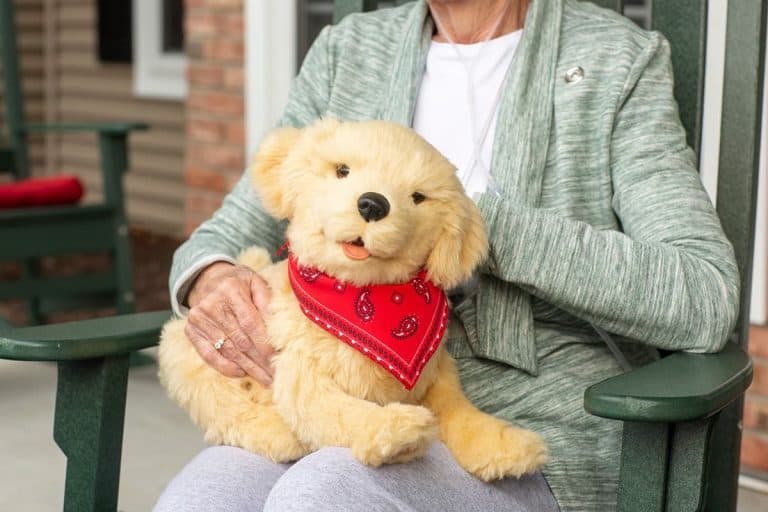
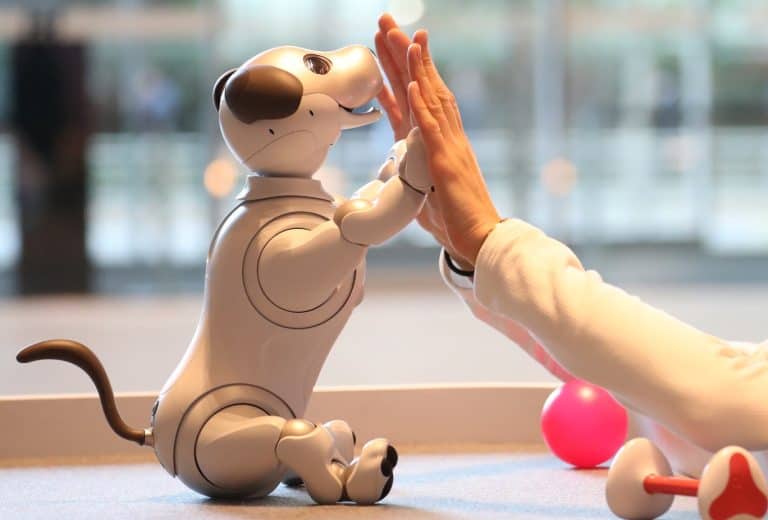
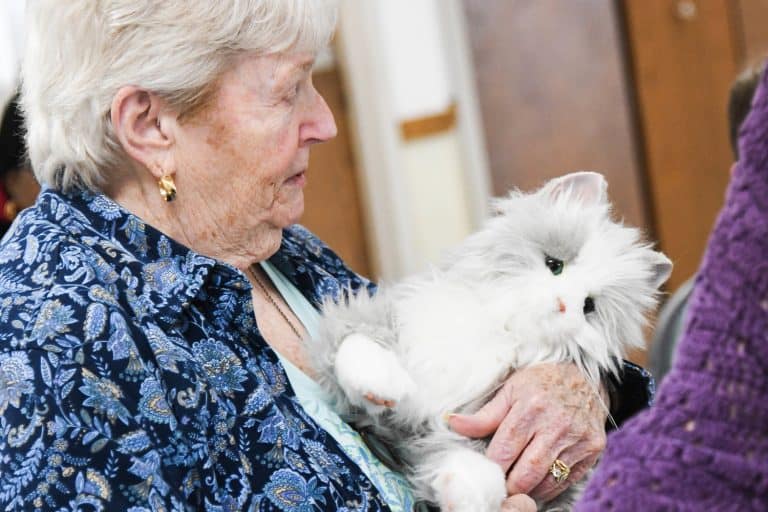
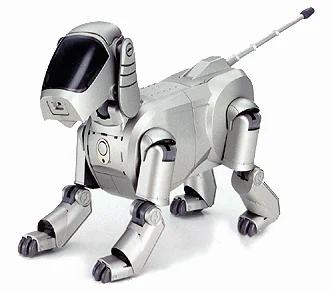
Robot pets, once considered futuristic novelties, are now mainstream consumer products. From Sony’s Aibo to Hasbro’s Joy for All Companion Pets, these interactive companions mimic lifelike behaviors, respond to touch, and learn from interaction.
Yet, as newer versions launch each year, older units often find their way into resale platforms. This growing cycle of ownership and resale mirrors what has long existed in smartphones and gaming consoles, but with a twist. Because robot pets are part hardware and part emotional investment, durability directly affects their second life.
Why Durability Matters More Than Features
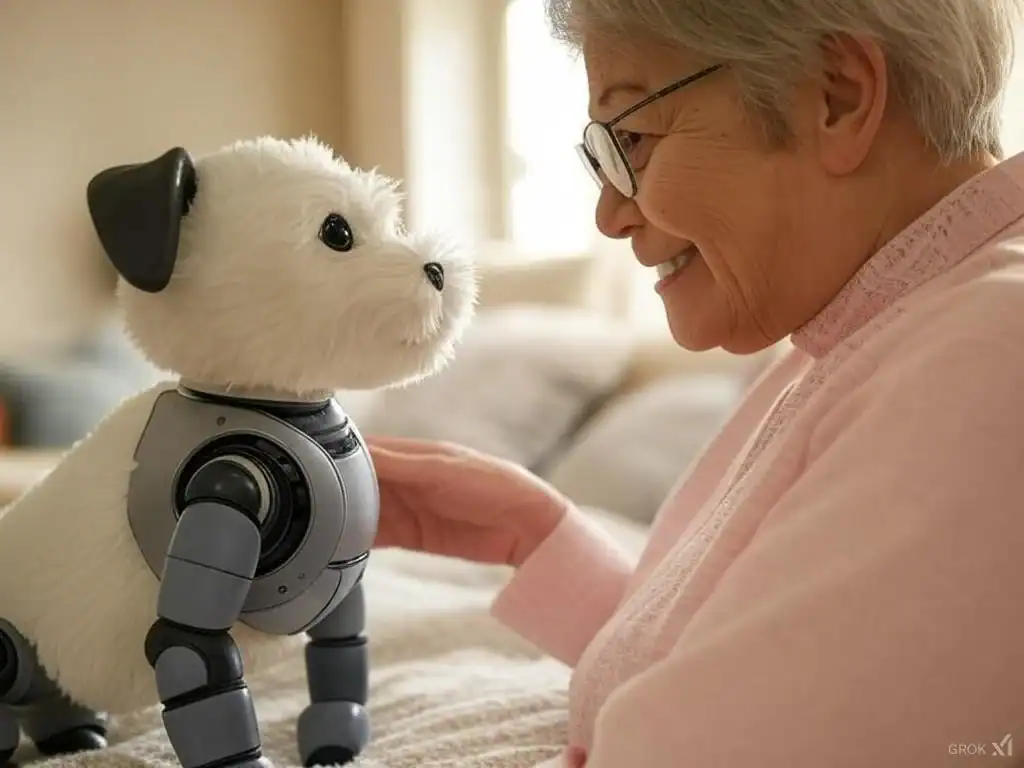
While consumers appreciate innovative features like AI learning, gesture recognition, or emotional response systems, these mean little if the robot cannot hold up physically. Buyers in the secondhand market want assurance that joints won’t fail, sensors remain responsive, and batteries still retain charge. A robot’s structural resilience, its materials, joint mechanics, and wear resistance, determines how much use it can handle before degradation sets in.
Unlike smartphones, where cosmetic scratches are expected, signs of wear on robot pets affect perceived “personality” and performance. A creaky joint or faded sensor eye can make a once-beloved pet feel lifeless. This emotional component makes durability not just a technical issue but also a psychological one.
Materials and Build Quality in Long-Term Value
Durability often starts with construction. Manufacturers that invest in higher-grade polymers, flexible silicone coatings, or reinforced internal frames tend to see their models hold up better in secondary markets. For instance, well-designed paw joints or ear hinges can endure thousands of movements without cracking.
Similarly, water and dust resistance ratings help extend lifespan. Even if robot pets aren’t meant for outdoor use, resistance to humidity or accidental spills ensures fewer internal failures. These features directly translate into higher resale value and consumer confidence.
Battery Life and Component Aging
Beyond external structure, internal durability, especially battery performance, is another deciding factor. Rechargeable lithium-ion batteries degrade over time, losing capacity after hundreds of cycles. A secondhand buyer evaluating a robot pet will likely consider the cost or difficulty of replacing the battery.
Other components, such as touch sensors, microphones, and speakers, can also deteriorate. The best-designed robots use modular components that are easier to repair or replace, enhancing their longevity and keeping them relevant in the resale ecosystem.
The Role of Software Durability
Durability isn’t just physical. Software longevity is increasingly tied to a product’s viability in the secondhand market. Robots reliant on cloud servers or app connectivity may lose functionality when manufacturers discontinue updates. This creates a form of “digital decay” that reduces resale appeal even if the hardware remains intact.
Buyers today are becoming more aware of such dependencies. A robot pet that can operate offline, or has a locally stored personality model, tends to retain more value over time. The secondhand market thus rewards manufacturers that future-proof their devices through continued support or open APIs.
Emotional Attachment and Reuse Behavior
Robot pets blur the line between machine and companion, so emotional durability, how well a pet maintains its charm over time, also plays a role. A secondhand buyer doesn’t just want a functional robot; they want one that still “feels alive.” A well-built model that retains smooth movement, expressive responses, and consistent interaction patterns can easily find a new home with minimal reprogramming.
This emotional continuity increases reuse rates and reduces electronic waste, creating a sustainable cycle that benefits both owners and manufacturers.
How Manufacturers Can Design for Second Lives
For brands, designing with the secondhand market in mind has strategic advantages. Building durable, repairable robots enhances brand trust and encourages customers to upgrade within the same ecosystem. Some manufacturers even offer certified refurbishment programs, extending warranty coverage or providing verified replacement parts.
These initiatives align with circular economy principles, helping reduce e-waste while maintaining a positive brand reputation. By acknowledging the value of durability, manufacturers not only appeal to eco-conscious consumers but also extend their presence across multiple ownership cycles.
The Economic Impact of Durability

Durability stabilizes prices in the secondhand market. Robots that last longer maintain higher resale values, which in turn influences new purchase decisions. If consumers believe a robot pet can retain 60–70% of its value after two years, they are more likely to invest in a premium model upfront.
This perceived value retention fuels brand loyalty and supports an ecosystem of repairs, upgrades, and accessories, mirroring what Apple achieved with its devices.
Challenges in Assessing Durability for Used Robots
Despite its importance, durability remains difficult to assess without transparent data. Few manufacturers publish longevity metrics or failure rates, leaving buyers to rely on community reviews and repair forums. Independent testing, third-party certifications, and user transparency could help bridge this gap, creating a more informed and sustainable resale market.
Durability as the Cornerstone of Value
In the secondhand robot pet market, durability defines desirability. From robust materials to lasting batteries and enduring software, every aspect of a robot’s construction influences whether it continues to bring joy to a new owner. As the demand for affordable, eco-friendly tech companionship grows, durability will remain the key factor that determines which robotic pets get a second chance at life, and which become forgotten relics of innovation.