Haptic Feedback in Robot Pets for Special Needs
Table of Contents
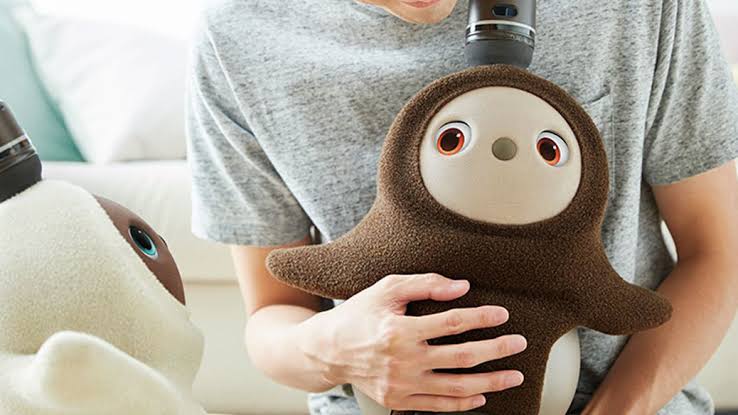
Robot pets have evolved far beyond simple toys. Today’s companion robots can respond to touch, recognize voices, simulate breathing, and even express emotions through movement and sound. One of the biggest innovations behind these interactions is haptic feedback, a technology that allows robot pets to communicate through touch.
For children and adults with special needs, touch often plays an important role in emotional regulation, communication, and learning. A robot pet that gently vibrates when stroked, leans into a hug, or responds to petting with calming movements can create a more engaging and reassuring experience than one that only produces sounds or lights.
While robot pets aren’t designed to replace human caregivers or therapy animals, they’re becoming valuable tools in homes, schools, therapy clinics, and senior care settings. Understanding how haptic feedback works and why it matters can help families and professionals choose technology that truly supports individual needs.
What Is Haptic Feedback?
Haptic feedback refers to technology that creates physical sensations in response to user interaction. Instead of relying solely on visual or audio cues, a device communicates through touch.
In robot pets, haptic feedback often combines pressure sensors, vibration motors, motion systems, and touch-sensitive surfaces. When someone pets the robot, scratches behind its ears, hugs it, or gently squeezes its body, the robot detects the interaction and responds with realistic physical feedback.
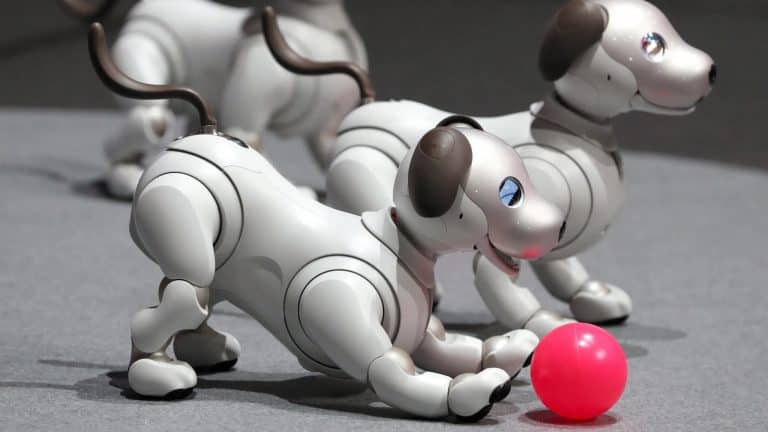
Some robot pets may wag their tails after being stroked, while others produce a gentle vibration that mimics purring. More advanced models coordinate movement, sound, and tactile responses to create interactions that feel surprisingly lifelike.
For people with sensory processing differences, these predictable physical responses can be easier to interpret than facial expressions or spoken language alone.
Why Touch Matters for People With Special Needs
Touch is one of the earliest ways humans communicate. Long before children develop language, they respond to comforting physical contact from parents and caregivers. That connection continues throughout life, influencing emotional regulation, stress management, and social development.
Many individuals with autism spectrum disorder, sensory processing disorder, ADHD, developmental disabilities, or dementia experience touch differently. Some actively seek deep pressure or repetitive tactile input because it helps them feel calm and organized. Others may avoid unexpected physical contact while still responding well to predictable, self-directed touch.
This is where robot pets offer something unique. Unlike people or live animals, robot pets respond consistently. Every interaction produces a familiar reaction, allowing users to build confidence without worrying about unpredictable behavior. Someone who feels anxious around real animals may find it easier to interact with a robotic companion that behaves the same way every time.
Predictability can also reduce anxiety during learning activities. When users understand exactly how the robot will respond to petting or hugging, they often become more willing to initiate interaction and practice social engagement.
How Haptic Feedback Improves the Robot Pet Experience
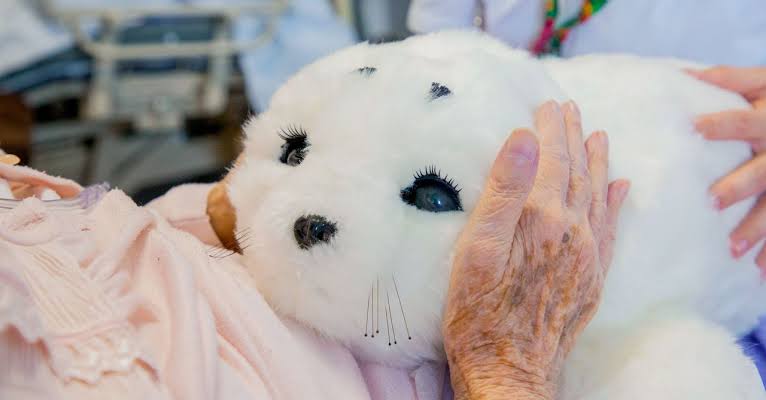
Without touch technology, many robotic companions rely mainly on prerecorded sounds or simple movements. Haptic feedback transforms these devices into interactive companions that actively respond to physical engagement.
Imagine a child gently stroking a robotic cat. The robot senses the movement through touch sensors, begins purring through vibration motors, slowly closes its eyes, and tilts its head toward the child’s hand. Although the interaction is powered by software and sensors, the combined responses create a believable emotional exchange.
These tactile interactions encourage longer engagement because users receive immediate feedback from their actions. Instead of pressing buttons, they’re learning that a gentle touch produces comforting responses while rough handling may cause the robot to withdraw or become quiet.
This cause-and-effect relationship reinforces emotional awareness and helps users understand that their actions influence another being, even if it’s artificial. For therapy sessions, these interactions create opportunities to practice appropriate touch, patience, and nurturing behaviors in a safe environment.
Benefits for Children With Autism and Sensory Processing Differences
Many children on the autism spectrum experience unique sensory preferences. Some seek repetitive tactile experiences because they help regulate emotions, while others struggle with overwhelming sensory input from busy environments.
Robot pets equipped with haptic feedback can provide sensory experiences that are both engaging and predictable.
A child who enjoys repetitive touch may spend several minutes petting a robotic dog while receiving calming vibrations and soft movements in return. This repetitive interaction can help reduce stress during transitions between activities or after emotionally challenging situations.
Because robot pets don’t judge or become impatient, children can explore interaction at their own pace. Some may gradually begin talking to the robot, practicing greetings, or identifying emotions based on the robot’s reactions.
Occupational therapists sometimes incorporate robotic companions into sensory activities to encourage attention, improve motor planning, and support emotional regulation. While every child responds differently, the tactile component often keeps children engaged longer than audio-only technology.
It’s important to recognize that robot pets aren’t therapeutic devices on their own. Their value comes from how caregivers, therapists, and educators integrate them into broader intervention plans tailored to each individual’s goals.
Supporting Older Adults With Dementia
Robot pets have gained significant attention in memory care communities because they can provide comfort without many of the challenges associated with live animals.
Older adults living with dementia may experience loneliness, anxiety, confusion, or agitation. Familiar routines and comforting sensory experiences can help reduce distress.
A robotic companion for dementia that responds to gentle petting with soft vibrations, realistic breathing motions, or quiet sounds may encourage nurturing behaviors that feel familiar. Residents often hold, stroke, or speak to these companions during periods of restlessness.
Unlike live animals, robotic pets don’t require feeding, walking, grooming, or veterinary care. They also eliminate concerns about allergies, scratches, or unpredictable behavior in clinical environments.
Research exploring socially assistive robots continues to grow, with many studies suggesting they may improve engagement, reduce feelings of isolation, and encourage communication in certain care settings. Results vary between individuals, but the combination of tactile interaction and emotional familiarity appears to contribute to positive experiences for many users.
Features to Look for in a Robot Pet With Haptic Feedback
Not all robot pets offer the same level of interaction. Some simply vibrate when touched, while others combine sophisticated sensors with artificial intelligence to adapt their responses over time.
High-quality models usually include multiple touch sensors placed across different parts of the body, allowing the robot to recognize whether it’s being petted, hugged, or gently tapped. This creates more natural interactions than systems with a single activation point.
The quality of the tactile feedback also matters. Gentle, realistic vibrations often feel more comforting than strong mechanical buzzing. Some premium robot pets synchronize movement, sound, and touch to simulate purring, heartbeat rhythms, or relaxed breathing, creating a more immersive experience.
Materials should also be considered carefully. Soft, hypoallergenic fur-like coverings generally feel more inviting and comfortable, particularly for children and older adults who may spend extended periods holding the robot.
Battery life, cleaning requirements, durability, and adjustable sensitivity settings become equally important for schools, therapy clinics, and healthcare environments where the devices receive frequent use.
How Robot Pets Fit Into Therapy and Education
Robot pets work best when they’re used to support existing therapy and educational strategies rather than replace them. Occupational therapists, speech-language pathologists, special education teachers, and behavioral therapists often look for tools that motivate participation without overwhelming the individual. A robot pet with responsive haptic feedback can become one of those tools.
For example, a speech therapist may encourage a child to give the robot simple verbal commands before petting it. When the robot responds with movement, purring, or a gentle vibration, the child receives immediate feedback that reinforces communication.
An occupational therapist might use the robot during sensory regulation activities, helping a child practice gentle pressure, bilateral coordination, or fine motor skills while interacting with a comforting companion.
Teachers can also incorporate robot pets into classroom routines. Some students find it easier to transition between activities when they’re given a calming sensory break with a familiar robot companion. Others become more willing to participate in group activities because the robot creates a shared point of interest that reduces social pressure.
The goal isn’t to make the robot the center of therapy. Instead, it serves as an engaging tool that encourages communication, emotional regulation, attention, and positive social interaction.
Understanding the Limitations
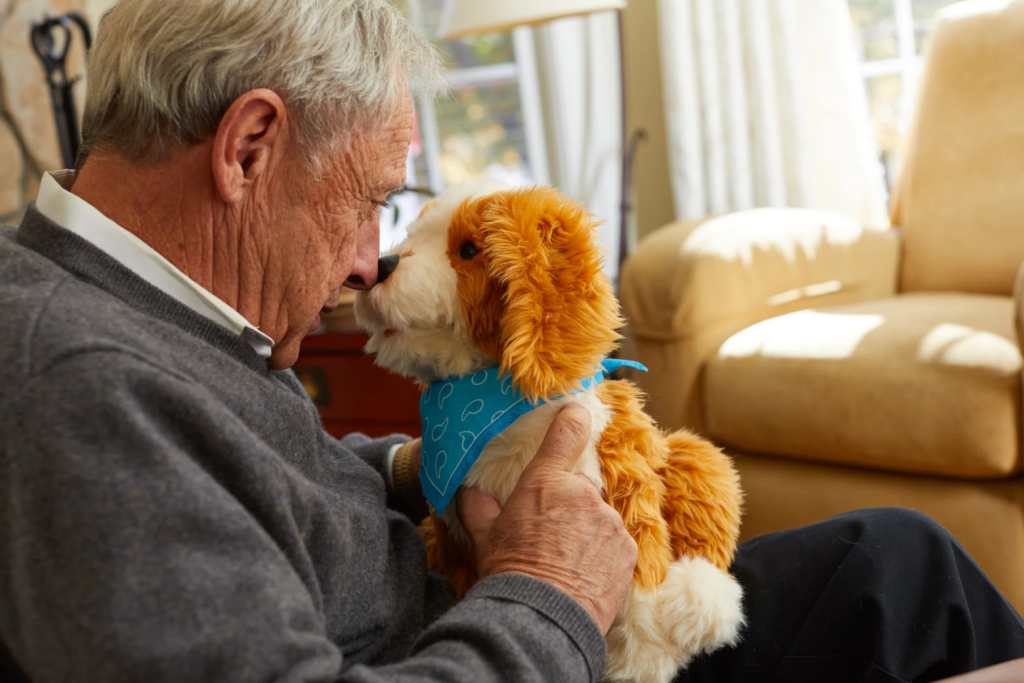
Although robot pets offer meaningful benefits, it’s important to have realistic expectations.
A robot pet can’t understand emotions the way a person can, nor can it replace the companionship of family members, caregivers, or trained therapy animals. Even advanced artificial intelligence relies on programmed responses and sensor data rather than genuine emotional understanding.
People also respond differently to sensory experiences. One child may find a vibrating robotic cat soothing, while another may dislike the sensation entirely. Some individuals prefer stronger deep-pressure input, while others are more comfortable with subtle movements and light touch.
Another consideration is maintenance. Robot pets require charging, software updates, and occasional cleaning. Mechanical components can wear out over time, especially in busy classrooms or therapy clinics where the device is used throughout the day.
The best results happen when caregivers view robot pets as one part of a broader support system. Human relationships, evidence-based therapies, and individualized care plans remain the foundation of effective support for people with special needs.
The Future of Haptic Feedback in Robot Pets
Haptic technology continues to improve, making robot pets feel more responsive and realistic than ever before.
Future models are expected to include more sophisticated pressure mapping that allows them to distinguish between different types of touch. Instead of simply recognizing that they’ve been petted, they may identify whether someone is gently stroking their back, scratching behind an ear, or giving them a comforting hug. These subtle differences could trigger more natural responses.
Artificial intelligence is also becoming more personalized. Rather than reacting the same way every time, future robot pets may learn an individual’s preferences and gradually adapt their behavior. If someone consistently responds well to slower movements and gentle vibrations, the robot could prioritize those interactions over time.
Researchers are also exploring wearable haptic technology that works alongside robotic companions. A robot pet might eventually communicate through synchronized touch, allowing users to experience calming tactile feedback even when they’re not physically holding the device.
As these technologies continue to develop, robot pets are likely to become even more valuable tools for supporting emotional well-being, sensory regulation, and social engagement across a wide range of care settings.
Final Thoughts
Haptic feedback has transformed robot pets from simple electronic toys into interactive companions that respond in ways that feel surprisingly natural. By combining touch, movement, and sound, these devices create experiences that can support emotional comfort, sensory regulation, communication, and engagement for people with special needs.
While they aren’t a replacement for caregivers, therapists, or therapy animals, robot pets can become valuable additions to a person’s support system when they’re chosen thoughtfully and used with realistic expectations. As haptic technology and artificial intelligence continue to advance, these companions are likely to play an even greater role in helping people build confidence, reduce anxiety, and enjoy meaningful interactions through the simple yet powerful sense of touch.
Frequently Asked Questions
Are robot pets good for children with autism?
They can be, particularly when they’re introduced thoughtfully and used alongside other supports. Many children with autism appreciate the predictable responses that robot pets provide.
Haptic feedback adds another layer of engagement because children receive immediate tactile responses to their actions, making interactions feel more meaningful. That said, every child has unique sensory preferences, so what works well for one individual may not work for another.
Are robot pets safe for people with sensory sensitivities?
Most are designed with safety in mind and use gentle vibrations, smooth movements, and soft materials. However, sensory preferences vary widely. Before purchasing a robot pet, it’s helpful to review whether vibration intensity, sounds, lighting, or movement can be adjusted to match the user’s comfort level.
What should families look for before buying a robot pet?
Focus on interaction quality rather than flashy features. Responsive touch sensors, realistic haptic feedback, durable construction, easy cleaning, long battery life, and adjustable settings often have a greater impact on the overall experience than the number of sounds or movements the robot can perform.
Reading independent reviews and, if possible, trying the device before purchasing can help ensure it’s a good match for the user’s needs.