How to Find the Most Durable Robot Pets: Tips for Active Users
Table of Contents
Robot pets are no longer just novelty gadgets. They’ve become smart, interactive companions for both kids and adults. But if you’re an active user or buying for someone who plans to interact frequently with their robot pet, durability should be a top concern.
A robot pet that easily breaks or malfunctions can lead to disappointment and wasted money. In this guide, we’ll explore how to find the most durable robot pets, what materials and design features matter most, and what active users should look for before buying.
Why Durability Matters in Robot Pets
For active users, robot pets often become part of daily routines. Whether you’re running interactive games, programming movements, or letting kids play freely, frequent handling, drops, or even outdoor use can expose robot pets to wear and tear. A durable robot pet ensures longevity, reliability, and safety, all essential for a worthwhile investment.
What Makes a Robot Pet Durable?
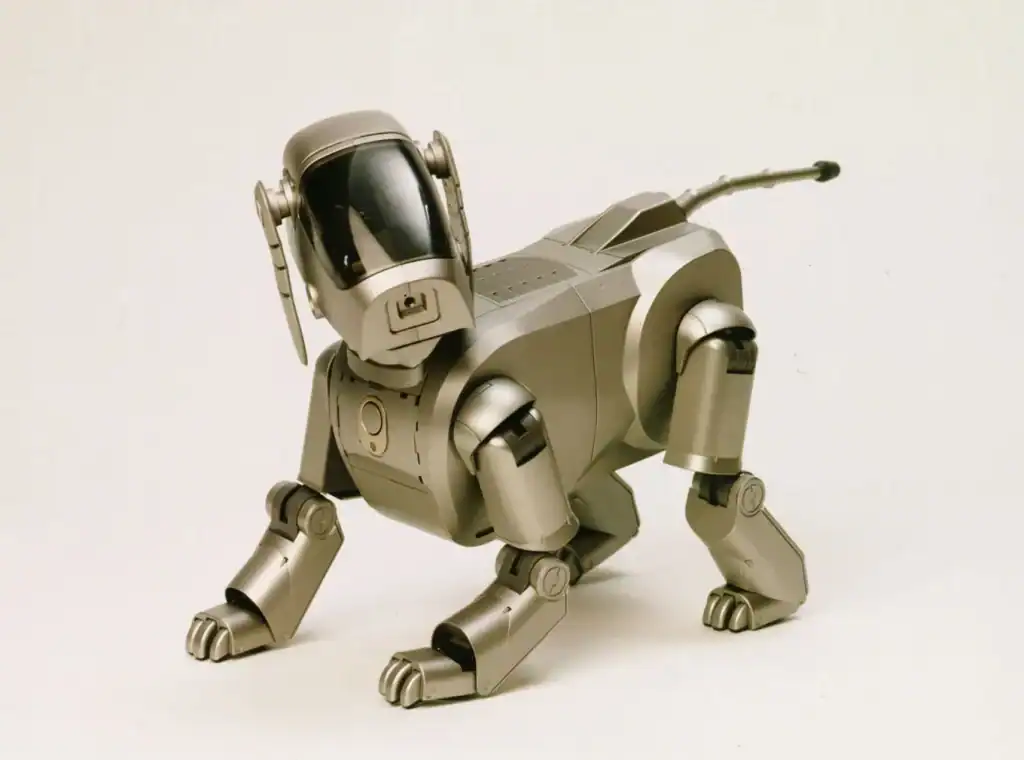
A durable robot pet is designed to withstand frequent use without losing functionality or aesthetic appeal. Here are the key elements to look for:
Strong Exterior Materials
Look for robot pets made from high-quality ABS plastic or silicone-coated materials. These resist scratches, dents, and minor impacts. Some higher-end models feature metal joints or reinforcements to prevent breakage in high-stress areas like legs or tails.
Reinforced Joints and Moving Parts
Durable robot pets often have well-engineered joints and internal gears made of metal or high-grade plastic. These resist wear from constant movement, essential for users who plan to activate their pet’s walking, running, or jumping features often.
Dust- and Water-Resistance
While few robot pets are waterproof, many offer a degree of resistance to dust and minor splashes. Check the product specs for IP ratings or mention of water resistance, especially if the robot pet will be used in variable environments.
Battery Life and Charging Durability
Frequent charging cycles can degrade cheaper batteries quickly. Opt for models with lithium-ion batteries known for long-term durability. Also, ensure the charging port is well-protected and not prone to loosening over time.
User Reviews and Durability Tests
Before buying, check verified user reviews that mention long-term performance. Some tech blogs and YouTube reviewers even perform drop tests, shake tests, or “kid stress tests,” which can be particularly helpful for active families.
How Can You Test Durability Before Buying?
If you’re shopping in person, here are quick checks to make:
- Gently test the flexibility of limbs or tail. Do they feel sturdy or flimsy?
- Inspect seams and joints for any visible gaps or signs of poor manufacturing
- Shake the robot gently: Does anything rattle inside?
- Check for visible screws and whether components feel tightly secured
If buying online, check for:
- Warranty length and repair/replacement policy
- Manufacturer certifications or durability claims
- User-uploaded images or videos of the pet in action after months of use
Which Robot Pets Are Built for Heavy Use?
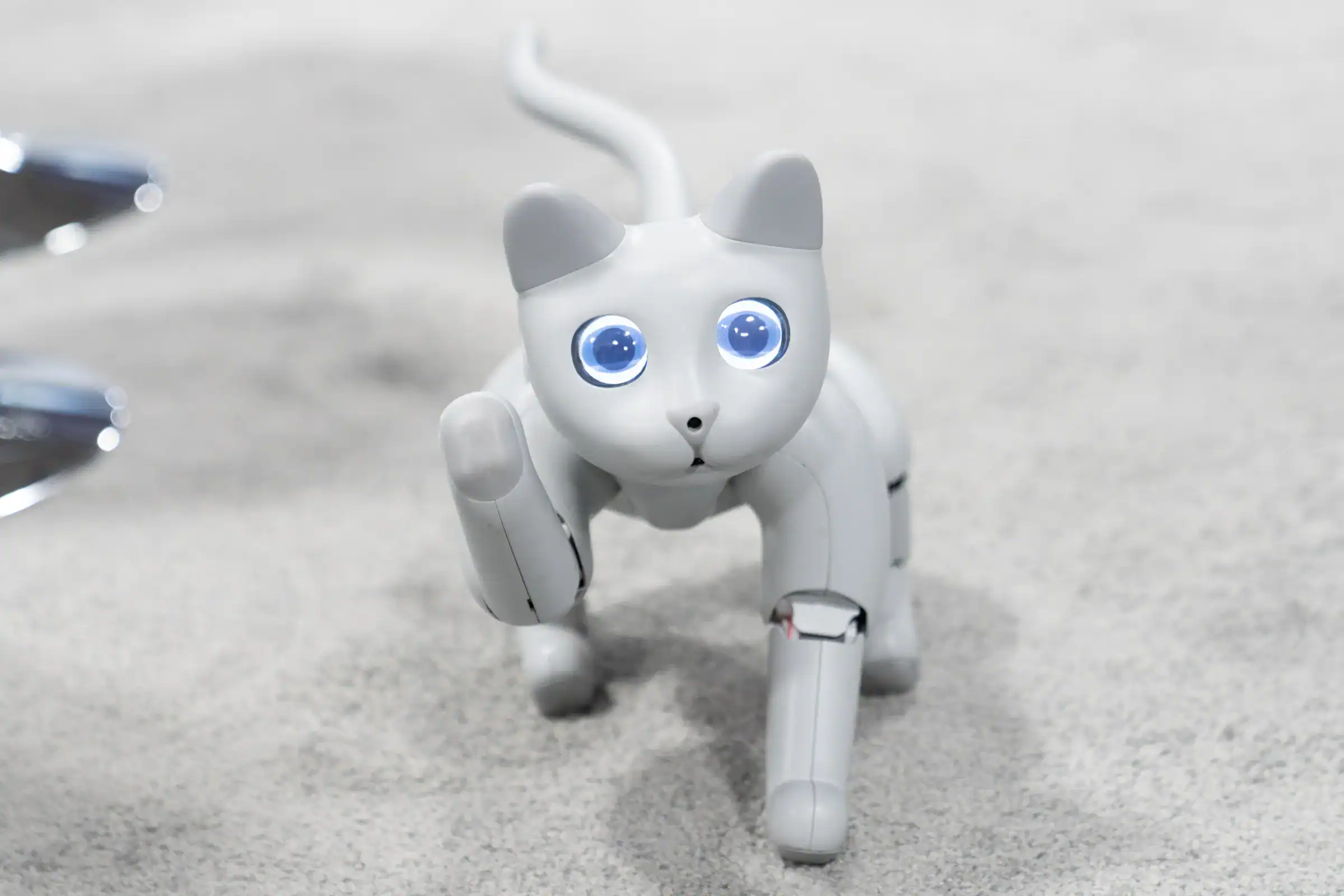
Some popular robot pets are better suited for daily, energetic interaction. Look for models in these categories:
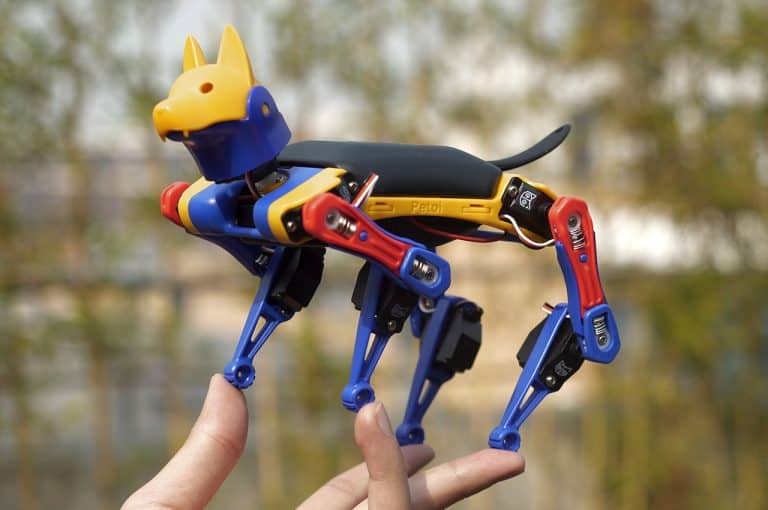
- STEM robots with durable frames, like programmable robotic dogs or cats that are designed for educational use
- Pet bots with military-grade plastics, often marketed for both play and learning
- Models made for outdoor play, with shock-resistant shells and rugged wheels
What to Avoid When Choosing a Durable Robot Pet
Avoid robot pets with:
- Thin or brittle plastic shells
- Exposed wires or gears
- Non-replaceable batteries
- No warranty or unclear return policies
- Mixed reviews about joint stiffness or malfunctioning limbs
Low-cost options may seem attractive, but without durability, they often don’t hold up under consistent play and can become frustrating over time.
Choose Wisely for Long-Term Enjoyment
For active users, choosing the most durable robot pet comes down to materials, engineering, and reputation. Look beyond surface-level features and consider what’s going on inside the frame, because the best robot pets are the ones that last through every play session, trick routine, or programming challenge you throw their way.
If you want a long-term robotic companion, don’t settle for less than durable.
Frequently Asked Questions
What is the average lifespan of a durable robot pet?
With proper care, a quality robot pet can last between 2 to 5 years. High-end models can last longer, especially those with replaceable parts and strong after-sales support.
Are robot pets suitable for outdoor play?
Some are, but not all. Check for water- and dust-resistance ratings. Outdoor-friendly robot pets are usually labeled for rugged use.
Can robot pets handle rough play from kids?
Many are built for light to moderate rough handling, especially educational bots designed for classroom settings. However, supervised use is always recommended to prevent damage.
Do replacement parts affect long-term durability?
Yes. Being able to replace limbs, wheels, or batteries extends the life of your robot pet significantly. Look for models with accessible parts and clear repair instructions.