Neurodiversity and Robot Pet Therapy: Exploring Inclusivity in Autism Interventions
Table of Contents
Neurodiversity is the concept that variations in neurological development, such as autism, ADHD, and dyslexia, are natural, valuable differences rather than deficits. As this understanding gains ground, it is influencing how autism interventions are designed.
Increasingly, approaches aim not to “fix” autistic individuals but to support them in ways that respect their unique needs. One promising innovation in this space is robot pet therapy, a growing alternative to traditional animal-assisted interventions.
Why Is Inclusivity Important in Autism Interventions?
Inclusivity ensures that support strategies reflect the wide spectrum of autistic experiences, including sensory sensitivities, communication preferences, and social engagement styles. Traditional therapy models often rely on neurotypical standards, which can feel overwhelming or exclusionary to those on the autism spectrum.
Inclusive interventions:
- Recognize the legitimacy of different cognitive and behavioral patterns
- Accommodate diverse sensory profiles
- Support both verbal and nonverbal communication
- Prioritize individual choice and autonomy
What Is Robot Pet Therapy?

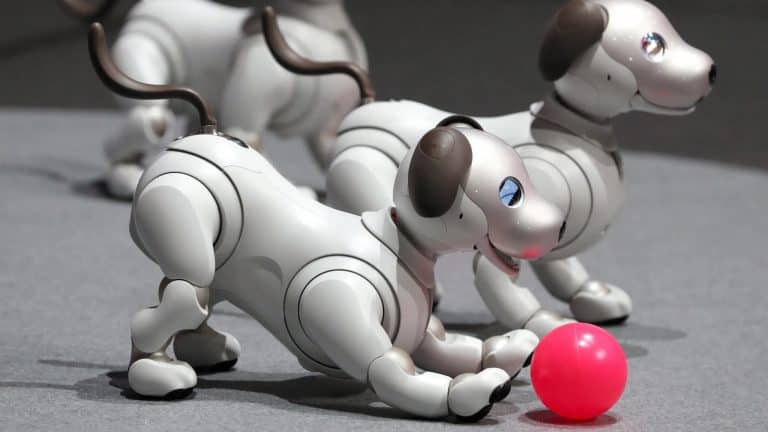
Robot pet therapy involves the use of lifelike, interactive robotic animals to provide companionship, sensory stimulation, and emotional support. These robotic companions can purr, bark, move, and respond to touch, mimicking the calming presence of real animals without the unpredictability or allergy concerns.
How Does Robot Pet Therapy Support Autistic Individuals?
Reduces Anxiety in Overstimulating Environments
Many autistic individuals experience heightened sensitivity to sound, light, touch, and movement. In crowded or unpredictable settings, these stimuli can lead to sensory overload and anxiety.
Robot pets offer a calm, consistent presence that avoids sudden noises or erratic behavior. Because their interactions are predictable and can be turned off or paused, robot pets give users a sense of control, something that is often lacking in traditional environments. This makes them ideal companions in therapy rooms, classrooms, or even busy households.
Encourages Nonverbal Communication
Not all autistic individuals communicate verbally. Some prefer gestures, sign language, typing, or facial expressions. Robot pets are designed to respond to touch, eye contact, and proximity, making them ideal tools for practicing and reinforcing nonverbal social cues.
When a child pets a robotic dog and it wags its tail or leans in, this mimics real-world feedback in a low-pressure setting. Over time, these exchanges can help build confidence and strengthen emotional connections without relying on spoken words.
Promotes Routine and Emotional Regulation
Consistency and structure are essential in many autism interventions. Robot pets can be incorporated into morning or bedtime routines, helping children anticipate what comes next. For instance, hugging a robot pet before school or using it as a “cool-down buddy” after a stressful moment can become comforting rituals.
Their lifelike responses, such as purring, blinking, or nuzzling, offer sensory input that can help regulate emotions. In this way, robot pets can act as grounding tools, reducing meltdowns or emotional dysregulation during transitions or unfamiliar events.
Increases Accessibility for Those with Allergies or Phobias
While animal-assisted therapy is known to provide many benefits, it isn’t an option for everyone. Children or adults with allergies to pet dander, immune system vulnerabilities, or intense fears of animals are often excluded from these interventions.
Robot pets remove these barriers. They are hypoallergenic, safe in sterile environments, and less intimidating due to their controlled responses. This means more people, especially in schools or clinics with health protocols, can experience the therapeutic effects of animal companionship without risk.
How Does This Align with the Neurodiversity Movement?
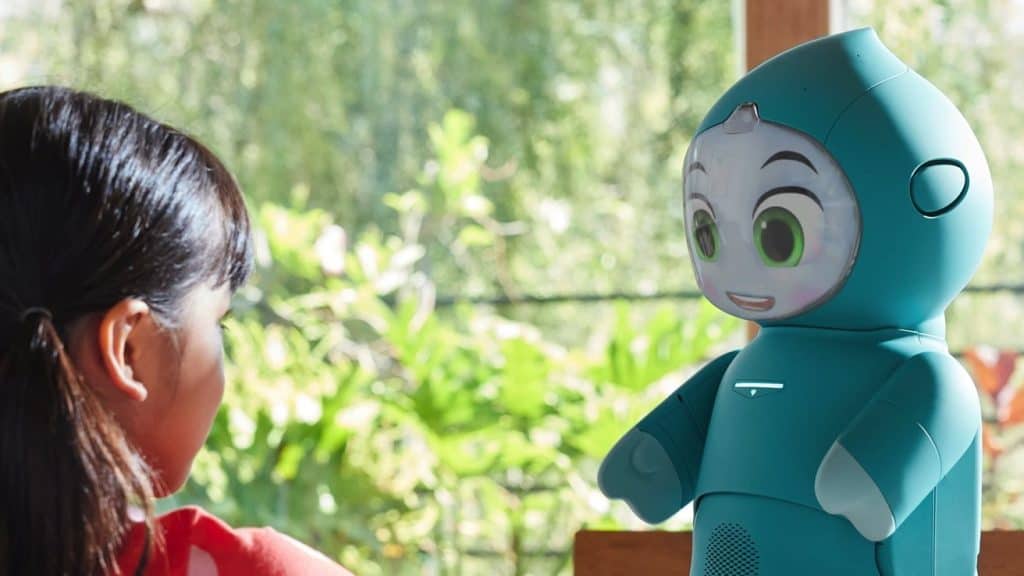
Robot pet therapy doesn’t aim to “normalize” behaviors. It supports emotional well-being in a way that respects neurodiverse expressions. Rather than shaping individuals to fit a neurotypical mold, these robots meet users where they are, offering therapeutic benefits without imposing behavioral expectations.
This approach is aligned with neurodiversity-affirming principles:
- Offering choice: Various models and types are available to suit different needs.
- Respecting autonomy: The user decides how to interact.
- Promoting comfort: The robot’s features adapt to the user’s pace.
What Are the Limitations of Robot Pet Therapy?
While promising, robot pet therapy is not a cure-all. It works best as a complementary tool alongside other supports.
Limitations include:
- High cost for some models
- Lack of spontaneity compared to real animals
- Limited interaction styles in lower-tech versions
Can Robot Pet Therapy Replace Live Animal Therapy?
Not entirely. Some individuals deeply benefit from real animal companionship. However, robot pet therapy can be an equal or better alternative for:
- Individuals with sensory sensitivities
- Families in housing that restricts pets
- Therapy settings where sanitation and safety are concerns
What Should Parents or Therapists Consider Before Trying Robot Pet Therapy?
While robot pet therapy offers a variety of benefits for autistic individuals, it’s important to tailor the experience to each user’s unique needs and preferences. Before introducing a robot companion into a therapy plan or home environment, consider the following factors to ensure the experience is both positive and effective:
Age and Developmental Level
Different robot pets are designed with different age groups in mind. Some feature simple movements and textures suited for younger children, while others include more complex features like voice recognition or emotional feedback that may better engage teenagers or adults. Matching the robot’s design to the user’s developmental stage increases the likelihood of sustained interest and therapeutic success.
Sensory Preferences
Autistic individuals often have unique sensory profiles. Some are hypersensitive to touch, sound, or light, while others seek out sensory input. When selecting a robot pet, consider how it feels, moves, and sounds. A soft, quiet robot may soothe a sensory-avoidant child, while one with light-up eyes or gentle vibrations may appeal to a sensory-seeker. Trial sessions or customizable features can help ensure a good fit.
Therapeutic Goals
Clarify what you hope to achieve with robot pet therapy. Are you aiming to build emotional regulation skills? Support daily routines? Encourage social interaction or nonverbal communication? Knowing your goals will help you choose the right robot model and guide how it’s incorporated into therapy sessions or everyday life.
For example, a robot that responds to being hugged may be ideal for calming routines, while one that mimics conversation can support turn-taking practice.
What’s the Future of Robot-Assisted Therapy in Autism Support?
As technology advances, robot pets are becoming more affordable, expressive, and customizable. Some future developments may include:
- AI-driven emotional recognition
- Personalized routines and vocal feedback
- Multi-sensory integration with apps or smart devices
This evolution is likely to increase adoption of robot therapy in schools, clinics, and homes, helping reimagine what inclusive, neurodiversity-affirming therapy can look like.
Final Note
Robot pet therapy represents a meaningful shift toward more inclusive, neurodiversity-affirming autism interventions. By offering a customizable, sensory-friendly, and nonjudgmental form of companionship, robot pets meet individuals where they are, rather than asking them to conform to neurotypical standards.
As the technology improves, these tools will only become more effective in supporting emotional regulation, communication, and daily routines. Most importantly, they reflect a broader movement toward respecting neurological differences and designing support systems that truly embrace the diversity of the autism spectrum.
For families, educators, and therapists seeking thoughtful, accessible alternatives to traditional interventions, robot pet therapy offers a promising new path forward.