Robot Pet Therapy for Autism Success Stories
Table of Contents
In recent years, robot pet therapy has emerged as a promising tool for children and adults with autism spectrum disorder (ASD). These robotic companions. ranging from plush pets with lifelike behaviors to interactive AI-powered animals, offer a safe, consistent, and nonjudgmental form of interaction.
But what makes this therapy stand out is its real-world impact. From enhanced communication skills to reduced anxiety, families and therapists are witnessing remarkable transformations. Below, we share success stories of individuals with autism who have benefited from robot pet therapy, supported by growing research and expert insights.
What Is Robot Pet Therapy?

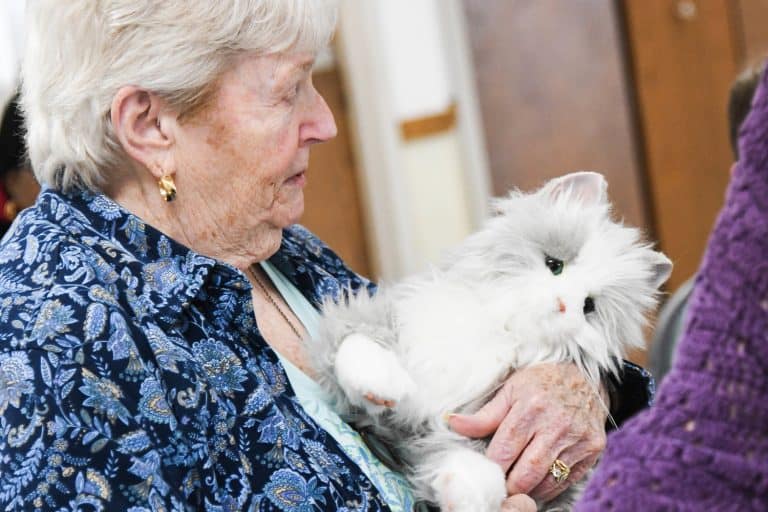
Robot pet therapy involves the use of robotic animals, such as PARO, the robotic seal, Tombot’s realistic pups, or even digital AI pets, to support behavioral and emotional development. These devices mimic lifelike responses: they blink, move, make sounds, and sometimes even react to touch or voice commands.
Unlike real animals, they require no feeding or care, making them ideal for children with sensory sensitivities or allergies. Their consistent behavior also provides a structured environment, which is comforting for many individuals with autism.
Success Story 1: Building Emotional Connection with PARO
Case: Liam, 8 years old, Nonverbal ASD
Liam’s parents had tried traditional pet therapy, but he often became overwhelmed by unpredictable movements and sounds. When they introduced PARO, the robotic baby seal used in therapeutic settings, Liam’s reaction was unexpected: he reached out, stroked the seal, and smiled, a rare occurrence.
Over time, Liam began using picture cards to express when he wanted to play with PARO, marking his first intentional attempts at communication. This breakthrough led to greater participation in social therapy sessions and improved eye contact.
Success Story 2: Reducing Anxiety with Tombot’s Companion
Case: Isabelle, 14 years old, Asperger’s Syndrome
Isabelle struggled with social anxiety and meltdowns, especially in public spaces. Her therapist recommended Tombot, a hyper-realistic robotic dog. Unlike a service dog, Tombot could be used discreetly at school or during travel.
Isabelle began bringing Tombot on car rides and to her therapy sessions. Just stroking the dog’s fur and hearing its programmed “barks” had a calming effect. Her parents report fewer public meltdowns and an increase in Isabelle’s willingness to engage in group activities.
Success Story 3: Enhancing Social Skills Through Play
Case: Ethan, 11 years old, Moderate ASD
Ethan was often withdrawn and showed limited interest in toys or group play. When his school introduced a robotic cat named Miko, he became fascinated by its responsive features. The robot meowed, purred, and reacted to his voice.
Ethan started practicing greetings and asking questions, skills he had previously avoided. Teachers used the robot as a tool to model turn-taking and emotional labeling. Six months later, Ethan initiated his first peer conversation during a group activity.
Why Robot Pets Work for Autism Therapy

According to a study by the University of Portsmouth, children with autism who interacted regularly with therapeutic robots showed improved social behavior, eye contact, and emotional expression. Other research published in Frontiers in Robotics and AI highlights the growing potential of socially assistive robots (SARs) in supporting developmental and therapeutic goals. Here’s why it works:
Consistency
Robotic pets behave in predictable ways, offering comfort and reliability for individuals who thrive on routine.
Sensory Benefits
Many robotic pets are designed with soft textures, soothing sounds, and gentle vibrations, appealing to those with sensory processing challenges.
Low Pressure
Unlike humans or real pets, robot pets don’t expect verbal feedback or eye contact, reducing stress for the user.
Bridge to Human Interaction
In many cases, robot pet therapy acts as a stepping stone toward greater social engagement with peers and family members.
Final Thoughts
Robot pet therapy is not a cure, but it is a powerful tool for connection, calm, and communication. For many families and educators, these robotic companions offer hope, progress, and moments of unexpected joy. As technology continues to evolve, so too does the potential for innovative therapies that meet autistic individuals exactly where they are, with patience, predictability, and kindness.