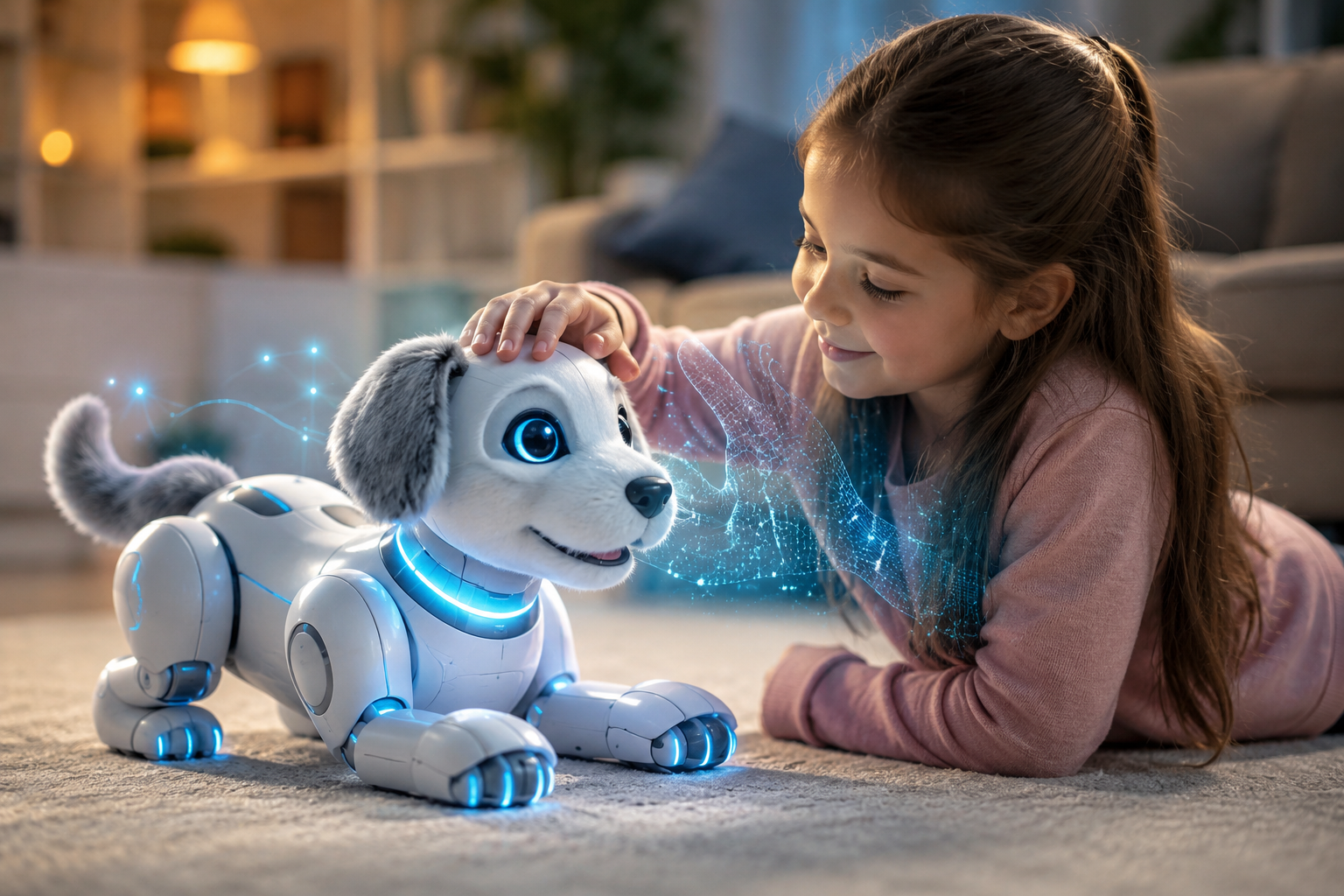
10 Haptic Feedback Innovations in Next-Gen Robot Pets
Table of Contents
Robot pets are becoming increasingly lifelike thanks to advances in artificial intelligence, sensors, and robotics. While voice recognition and computer vision often grab the spotlight, haptic feedback is one of the technologies making the biggest difference in how these companions feel to interact with.
Modern robot pets can now recognize different types of touch, respond with realistic movements, and even adapt their behavior based on how you interact with them over time. These innovations are helping robotic companions move beyond simple entertainment devices and become engaging companions for families, educators, healthcare providers, and robotics enthusiasts.
Here are the biggest haptic feedback innovations shaping the next generation of robot pets.
1. Multi-Point Touch Sensing Creates More Natural Interactions
Earlier robot pets typically relied on a few simple touch sensors that acted like buttons. If you touched a specific area, the robot performed a pre-programmed action.
Next-generation models feature multiple touch sensors distributed across the body, allowing them to recognize where they’re being touched. Instead of treating every interaction the same, they can distinguish between petting the head, scratching behind the ears, rubbing the back, and holding the body.
This creates much more realistic behavior because different types of touch trigger different responses, much like interacting with a real pet.
2. Pressure-Sensitive Sensors Recognize Gentle and Firm Touch
Modern haptic systems don’t just detect contact. They measure how much pressure is being applied.
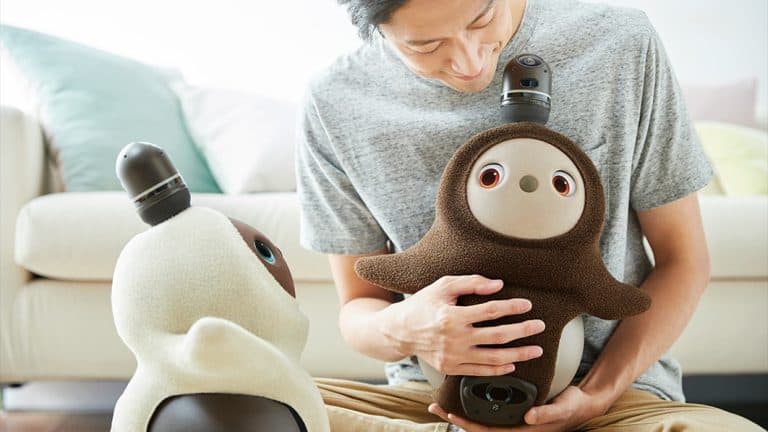
A gentle stroke can trigger relaxed behavior, while a playful pat may encourage excitement. A firm hug might cause the robot to lean into the user, while rough handling can generate defensive or startled responses.
This ability to interpret pressure gives robot pets a much broader range of emotional expressions and makes interactions feel less mechanical.
3. AI Learns Your Touch Habits Over Time
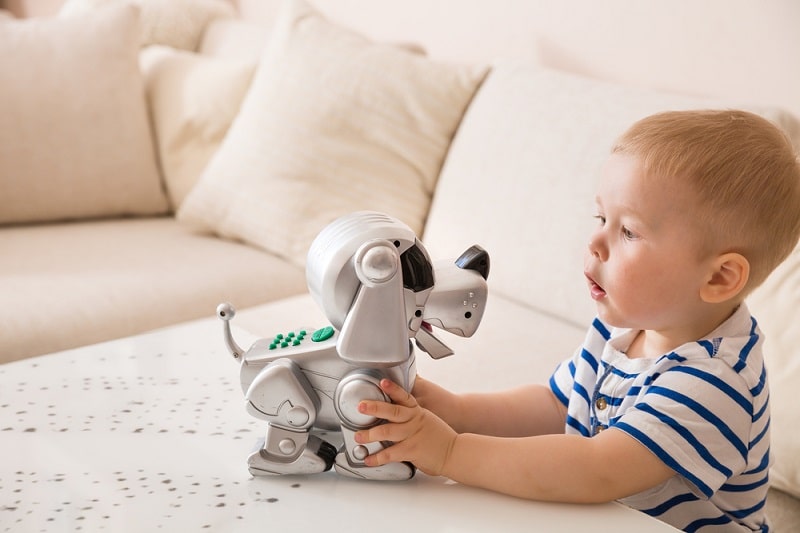
Artificial intelligence is transforming haptic feedback from simple reactions into personalized experiences.
Instead of responding the same way every time, AI analyzes your interaction history to identify patterns. If you regularly pet your robot dog after work, it may begin greeting you more enthusiastically before you even touch it.
Over weeks or months, the robot develops interaction preferences that make it feel increasingly unique. This adaptive learning creates a stronger sense of companionship because the robot appears to recognize familiar routines rather than simply executing programmed responses.
4. Electronic Skin Improves Touch Detection Across the Entire Body
One of the most exciting developments in robotics is the creation of electronic skin, often called e-skin. Unlike traditional sensors placed in a handful of locations, electronic skin covers much larger portions of the robot with flexible sensing materials capable of detecting touch across curved surfaces.
Some research systems can measure pressure, movement direction, contact duration, and even subtle changes in force across hundreds or thousands of sensing points. For robot pets, this means they can react naturally no matter where they’re touched, instead of limiting interactions to specific sensor locations.
5. Soft Robotics Makes Robot Pets Feel Less Mechanical
Traditional robots are built around rigid components that can make movement appear stiff and unnatural. Soft robotics replaces many of these hard materials with flexible structures that bend, compress, and move more like muscles and living tissue.
This allows robot pets to curl up when resting, lean into affection, or gently shift their weight while being held. The softer physical design also makes hugs and cuddles feel more comfortable, improving both safety and realism.
6. Miniature Actuators Simulate Real Animal Behaviors
Haptic feedback isn’t limited to sensing touch. It also includes creating physical sensations that users can feel. Tiny actuators inside robot pets now simulate subtle behaviors such as breathing, heartbeat rhythms, muscle relaxation, tail tension, or gentle body movements.
Although these motions are small, they significantly improve realism because users unconsciously associate them with living animals. These subtle physical responses often create a much stronger emotional connection than large, exaggerated movements.
7. Context-Aware AI Produces Smarter Responses
Touch alone doesn’t always tell the full story. Next-generation robot pets combine haptic information with voice recognition, facial expressions, environmental awareness, and behavioral history before deciding how to respond.
For example, a pat on the head during playtime may generate an energetic response, while the exact same touch during quiet relaxation could encourage calm behavior. Considering multiple sources of information helps robotic companions respond more naturally instead of relying on rigid programming.
8. Simulated Emotional States Create More Believable Personalities
Many modern robot pets maintain internal behavioral models that simulate emotional states. Positive interactions may gradually increase playfulness, while extended periods without engagement could make the robot appear quieter until someone interacts with it again.
These behaviors aren’t genuine emotions, but they help create personalities that evolve over time instead of repeating identical actions throughout the robot’s lifespan. The result is an experience that feels more like caring for a companion than operating an electronic device.
9. Temperature and Texture Technologies Add Another Layer of Realism
Researchers are also exploring ways to make robot pets feel more lifelike through physical characteristics beyond movement. Some experimental systems incorporate controlled heating elements that make parts of the robot feel slightly warm during interaction. Others use advanced materials that more closely resemble fur, skin, or soft tissue.
Combined with responsive haptic feedback, these innovations enhance the illusion that users are interacting with a living companion rather than a machine. Although many of these technologies remain in development, they point toward increasingly immersive robot designs.
10. Haptic Feedback Is Expanding Robot Pets Beyond Entertainment
The benefits of advanced touch technology extend well beyond the consumer market.
Healthcare providers are evaluating robot pets as companions for older adults experiencing dementia, Alzheimer’s disease, anxiety, or loneliness. Responsive touch interactions can encourage engagement while providing comfort in clinical and home settings.
Schools use robot pets to introduce students to robotics, engineering, artificial intelligence, and programming through hands-on learning experiences. Therapists are also exploring robot-assisted interventions for children with autism spectrum disorder, where predictable tactile interactions can support communication, emotional regulation, and social skill development.
As haptic systems become more sophisticated, robot pets are finding valuable roles in education, healthcare, and research in addition to family homes.
Why Haptic Feedback Will Define the Next Generation of Robot Pets
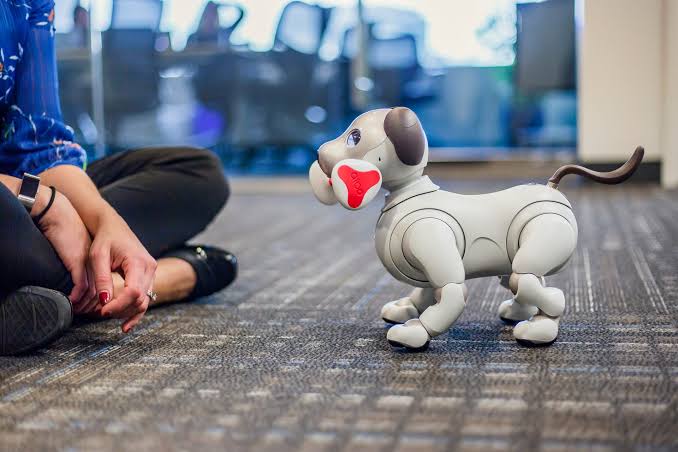
The future of robot pets depends on making interactions feel as natural as possible, and touch plays a central role in that goal. Advances in pressure sensing, electronic skin, AI-powered learning, soft robotics, and tactile actuators are allowing robotic companions to recognize, interpret, and respond to human touch in increasingly realistic ways.
As these technologies continue to evolve, robot pets will become more adaptive, expressive, and personalized. Rather than simply reacting to commands, they’ll build interaction patterns that strengthen over time, creating experiences that feel more engaging and emotionally rewarding for users of all ages.