Renting vs. Owning: Exploring Alternatives in Robot Pet Economics
Table of Contents
Robot pets are moving from novelty gadgets to long-term companions, offering interaction, emotional engagement, and low-maintenance alternatives to traditional pets. As the market matures, consumers are no longer limited to a single purchase model. Renting, subscribing, or owning a robot pet outright each comes with different financial and practical trade-offs.
Understanding robot pet economics helps buyers decide which option fits their lifestyle, budget, and expectations over time.
What Are Robot Pets and Why Are They Gaining Popularity?
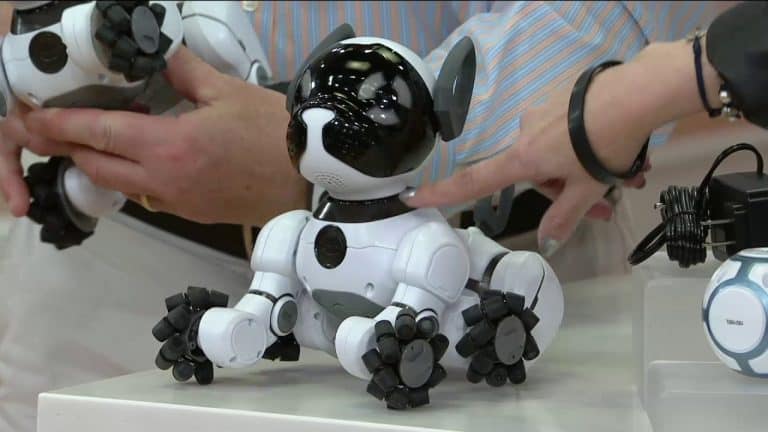
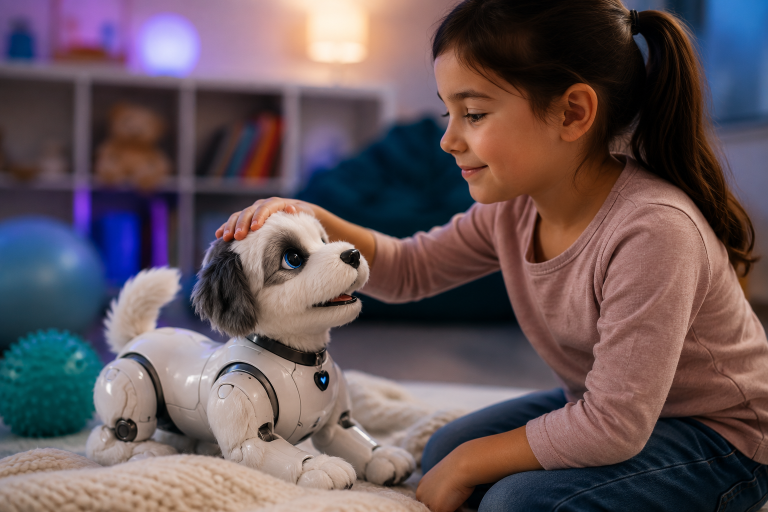
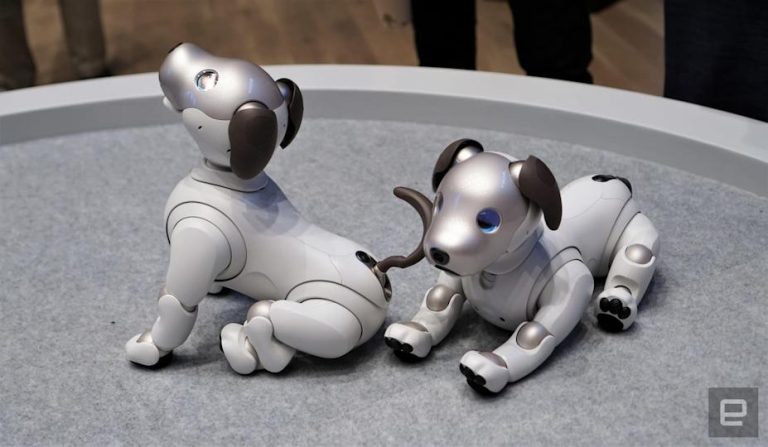
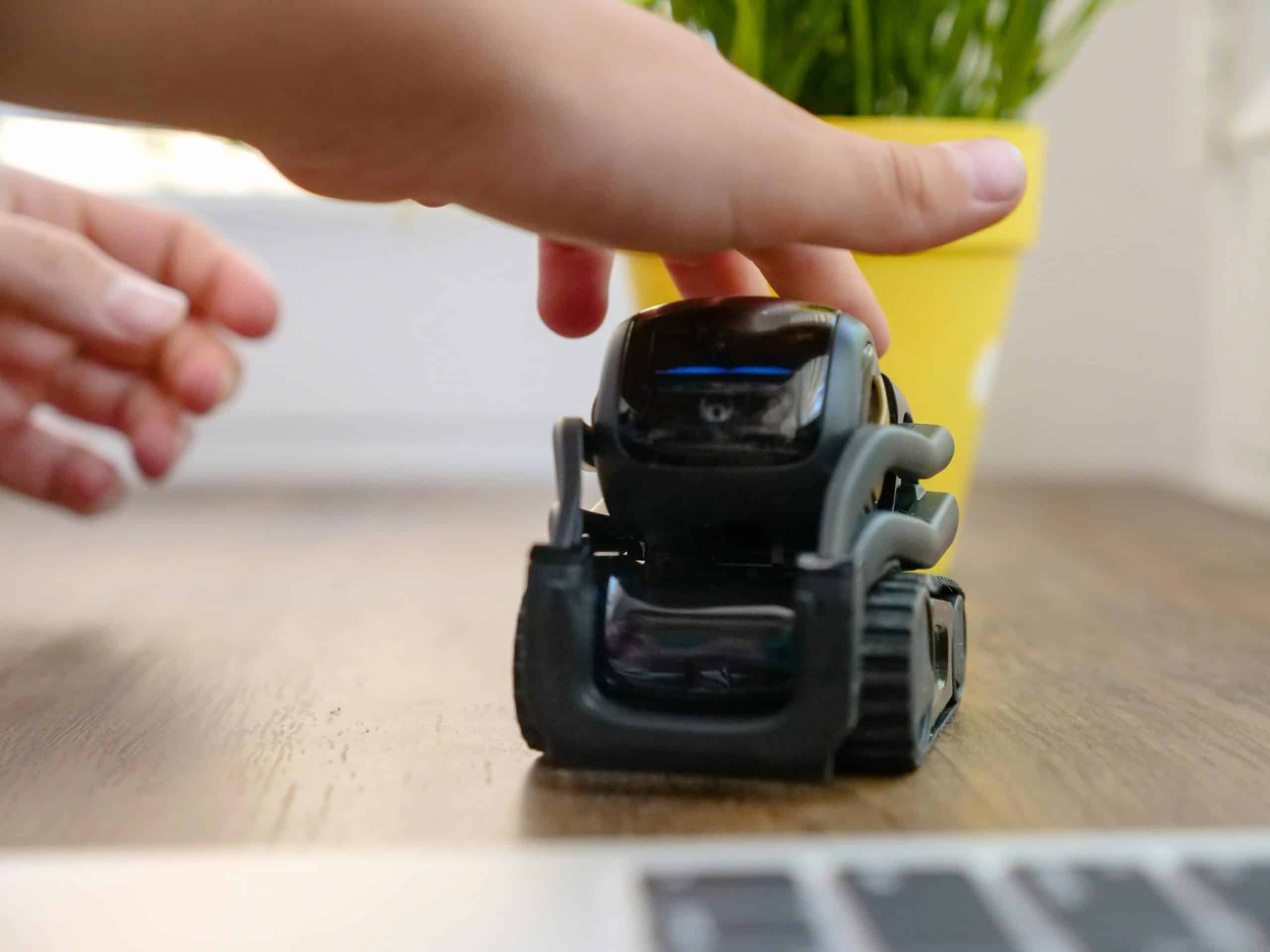
Robot pets are interactive devices designed to mimic the behaviors and responses of real animals. They can respond to voice commands, display emotions, learn routines, and provide companionship without the responsibilities of feeding, grooming, or veterinary care.
They are increasingly popular among:
- Families with young children
- Seniors seeking companionship
- Apartment dwellers with pet restrictions
- Tech enthusiasts interested in AI-driven interaction
As demand grows, flexible access models have emerged to meet different user needs.
The Traditional Model: Owning a Robot Pet
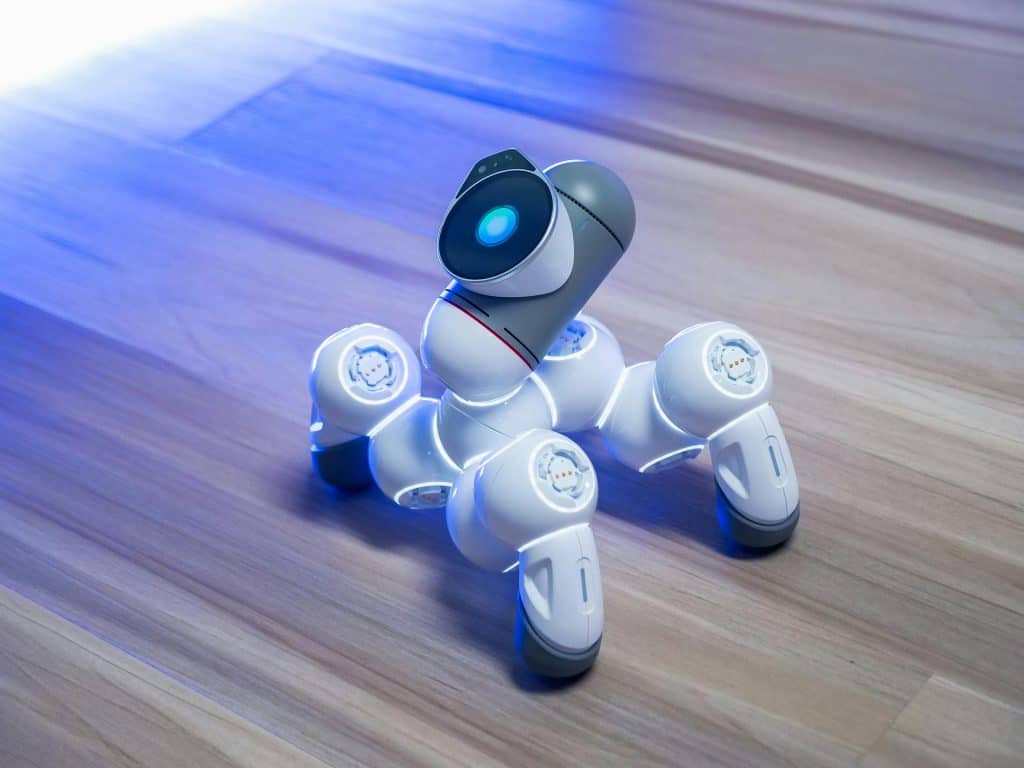
Owning a robot pet involves paying an upfront cost to purchase the device outright.
Advantages of Ownership
Ownership appeals to users who want full control and long-term use.
Key benefits include:
- No recurring rental or subscription fees
- Unlimited access without time restrictions
- Personalization over time as the robot learns behaviors
- Long-term value if the device is used for years
For users committed to daily interaction, ownership can be cost-effective over the long run.
Drawbacks of Ownership
Despite its appeal, ownership is not ideal for everyone.
Common challenges include:
- High upfront cost
- Responsibility for repairs or replacements
- Technology becoming outdated over time
- Limited upgrade flexibility
As robot pets evolve quickly, some owners may feel locked into older hardware.
Renting Robot Pets: Short-Term Access With Flexibility
Renting allows users to pay for temporary access to a robot pet, often on a weekly or monthly basis.
Renting is attractive for:
- Trying a robot pet before committing to purchase
- Short-term needs, such as therapy trials or events
- Users unsure about long-term interest
- Families testing suitability for children or seniors
It lowers the barrier to entry and reduces financial risk.
Limitations of Renting
While flexible, renting also has trade-offs.
Potential downsides include:
- Ongoing costs that add up over time
- Limited customization or personalization
- Usage restrictions or return conditions
- Less emotional attachment due to temporary ownership
For long-term users, renting can become more expensive than buying outright.
Subscription Models: A Middle Ground
Subscription-based access combines elements of renting and owning. Users typically pay a monthly fee that may include hardware, software updates, maintenance, and support.
Subscriptions appeal to users who value convenience and ongoing innovation.
Benefits often include:
- Lower upfront cost
- Regular software updates and new features
- Maintenance or replacement coverage
- Access to upgraded models over time
This model aligns well with rapidly evolving technology.
Subscription Considerations
Despite the advantages, subscriptions require careful evaluation.
Things to consider:
- Long-term cost compared to ownership
- Contract length or cancellation terms
- Feature limitations at different pricing tiers
- Dependence on the provider’s continued service
Subscriptions work best for users who want flexibility and ongoing upgrades.
Comparing Costs Over Time
Cost differences become clearer when viewed long-term.
General patterns include:
- Ownership is cheaper over several years if the robot pet remains functional
- Renting is economical for short-term use but costly in the long term
- Subscriptions offer predictable monthly expenses but may exceed the purchase price over time
Evaluating how long you expect to use a robot pet is key to choosing the right model.
Emotional Value and User Experience

Beyond cost, emotional connection plays a role.
Ownership often leads to:
- Stronger emotional bonds
- Deeper personalization
- Consistent interaction routines
Rental and subscription models may limit emotional attachment but provide flexibility and reduced responsibility.
Which Option Is Right for You?
The best choice depends on individual priorities.
Ownership May Suit You If
- You want long-term companionship
- You prefer a one-time purchase
- You are comfortable with maintenance responsibility
Renting May Suit You If
- You want to test the experience
- Your needs are temporary
- You prefer minimal commitment
Subscriptions May Suit You If
- You want the latest features
- You value convenience and support
- You prefer spreading costs over time
Final Thoughts
Renting, owning, and subscribing to robot pets each offer distinct economic and experiential benefits. As robot pets become more advanced, flexible access models allow users to choose what fits their lifestyle rather than forcing a single purchasing path.
By considering cost, commitment level, and emotional value, consumers can make informed decisions that align with both their budgets and expectations.
Frequently Asked Questions
Are robot pets expensive?
Costs vary widely depending on features, brand, and access model, ranging from affordable rentals to premium owned devices.
Do robot pets require internet access?
Many use internet connectivity for updates and advanced features, especially subscription-based models.
Can robot pets replace real pets?
They do not replace real animals, but they can provide meaningful companionship in situations where traditional pets are not practical.