

8 Robot Pet Educational Add-ons to Enhance Learning Opportunities for Children

Share
Table of Contents
Robot pets are becoming increasingly popular in homes and classrooms. These interactive companions combine technology, play, and learning in a way that captures children’s attention while encouraging curiosity. However, the real educational value often expands when parents and educators introduce robot pet educational add-ons that enhance the learning experience.
Educational add-ons can transform a simple robotic toy into a powerful tool for developing skills such as problem-solving, coding, creativity, and emotional intelligence. By integrating accessories, apps, and learning activities, children can explore a variety of subjects while engaging with their robot pet.
Below are several robot pet educational add-ons that can help maximize learning opportunities for children.
Coding and Programming Kits
Coding kits are one of the most valuable educational add-ons for robot pets. These kits allow children to program behaviors, movements, and responses using beginner-friendly coding platforms.
Through simple drag-and-drop programming or basic coding languages, children learn how commands affect the robot’s actions. This hands-on experience introduces key concepts such as:
- Logic and sequencing
- Cause and effect
- Problem-solving through debugging
- Computational thinking
Coding add-ons make robotics interactive while giving children a practical introduction to technology and computer science.
Interactive Learning Apps
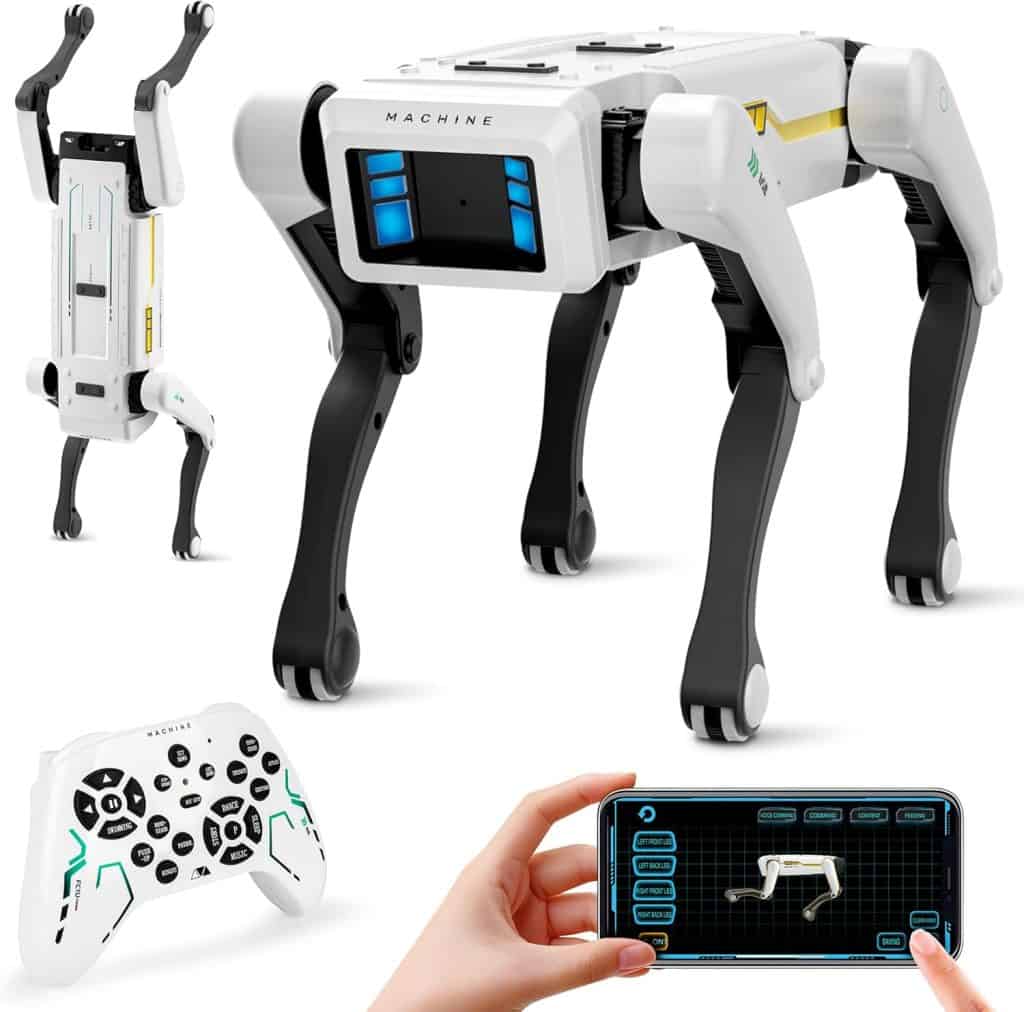
Many robot pets connect to companion educational apps that expand their capabilities. These apps often include games, puzzles, and challenges designed to improve cognitive development. Some learning apps focus on subjects such as:
- Mathematics and counting
- Language and vocabulary
- Memory and pattern recognition
- Basic science concepts
Because the robot pet reacts to the app’s activities, children stay engaged and motivated while learning new skills.
Voice Interaction Modules
Voice interaction add-ons enable robot pets to understand and respond to simple commands. This feature allows children to interact with their robot through spoken language, encouraging communication and social skills.
Some modules support educational voice prompts, such as asking the robot questions or giving it instructions to perform tasks. These interactions help children practice verbal expression and listening comprehension. Voice-enabled learning can be particularly helpful for younger children who are still developing language skills.
STEM Activity Packs
STEM-focused activity packs introduce children to science, technology, engineering, and mathematics concepts through guided projects. These packs may include:
- Building challenges
- Engineering puzzles
- Experiments involving sensors or movement
- Problem-solving tasks
By combining robot pet interactions with structured STEM activities, children learn how technology works while exploring creative solutions to challenges.
Sensor Expansion Kits
Sensor kits allow robot pets to detect environmental changes such as light, motion, touch, or sound. Adding these sensors expands how the robot interacts with its surroundings.
Children can experiment with different sensor responses, learning how input and output systems work in robotics. For example, a robot might react when a child claps, moves closer, or changes the lighting around it. This hands-on experimentation introduces basic engineering and electronics concepts in a fun and accessible way.
Storytelling and Creative Play Sets
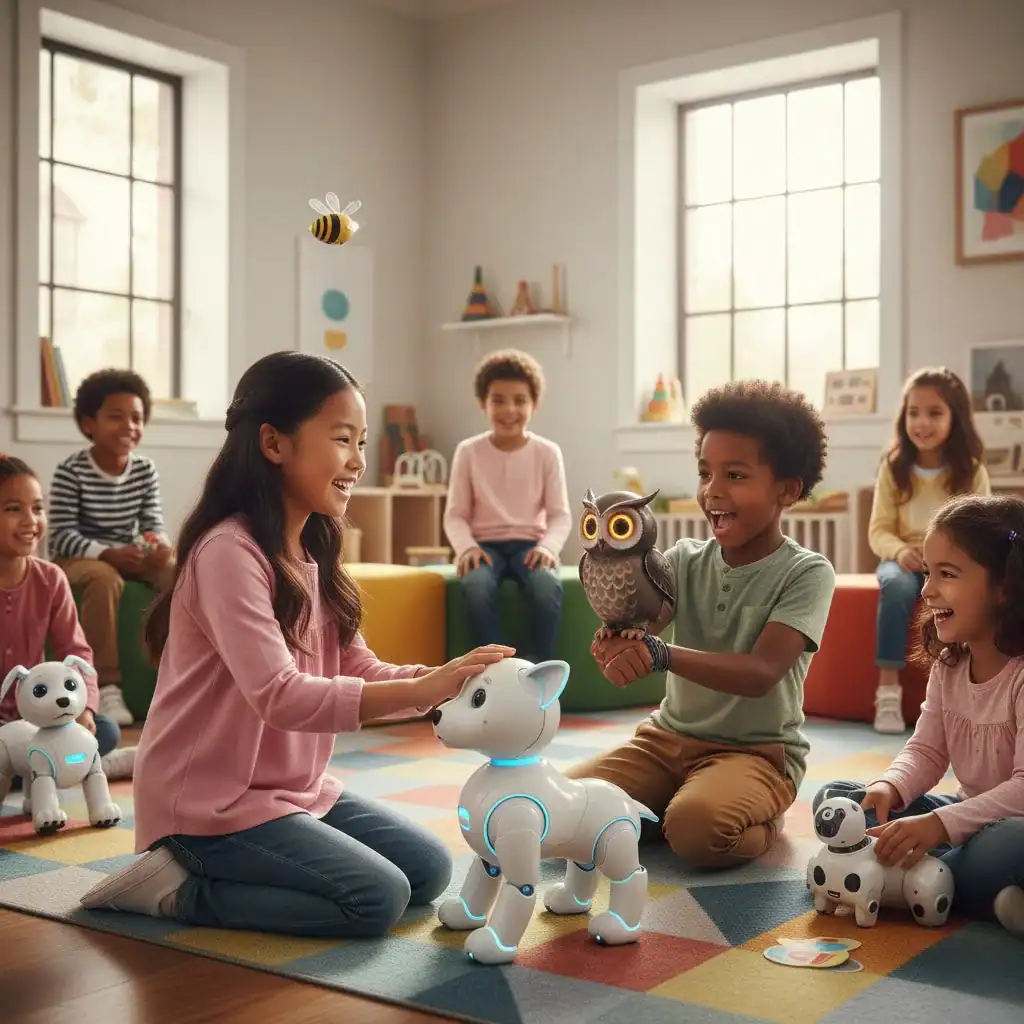
Creative storytelling kits encourage children to use their imagination while interacting with their robot pet. These add-ons often include themed accessories, character roles, and story prompts. Children might create adventures where the robot becomes a companion explorer, a helper in a science mission, or a character in a fictional story.
Story-based play supports:
- Creativity
- Language development
- Narrative thinking
- Emotional expression
When children combine storytelling with technology, learning becomes both educational and entertaining.
Educational Puzzle Challenges
Puzzle-based add-ons provide structured challenges that require children to solve problems using their robot pet. These puzzles may involve guiding the robot through obstacle courses, solving logic tasks, or completing missions with specific instructions.
Puzzle challenges strengthen critical thinking and encourage children to experiment with different solutions until they find the correct one. This type of learning helps children build persistence and resilience when tackling complex problems.
Classroom Learning Integration Kits
Some robot pet add-ons are designed specifically for classroom environments. These kits include lesson plans, teacher guides, and group activities that allow educators to incorporate robotics into everyday learning.
Classroom integration tools may focus on collaborative problem-solving, group projects, or technology-based lessons that align with school curricula. Using robot pets in educational settings can help students develop teamwork, communication, and creative thinking skills.
Why Educational Add-ons Improve Robot Pet Learning
Robot pets already provide interactive entertainment, but educational add-ons significantly expand their learning potential. Instead of passive play, children actively explore technology, experiment with ideas, and develop important academic skills.
These add-ons also allow parents and educators to customise the learning experience. Some children may enjoy coding challenges, while others prefer storytelling or STEM activities. By combining multiple add-ons, robot pets can evolve into flexible educational tools that grow with a child’s interests and abilities.
Choosing the Right Robot Pet Educational Add-ons
When selecting educational add-ons, it is important to consider the child’s age, skill level, and interests.
Younger children may benefit from storytelling accessories and voice interaction modules that focus on communication and creativity. Older children often enjoy coding kits, STEM challenges, and sensor experiments that introduce more advanced concepts.
Safety, durability, and compatibility with the robot pet model should also be taken into account when purchasing add-ons.
Final Thoughts
Robot pets are more than just interactive toys. With the right educational add-ons, they can become valuable learning tools that introduce children to coding, problem-solving, creativity, and STEM concepts.
By combining play with education, robot pet accessories encourage curiosity and hands-on exploration. Whether used at home or in classrooms, these add-ons help children develop important skills while enjoying an engaging technological companion.


Our Social Media
Follow Us Follow Us Follow Us