

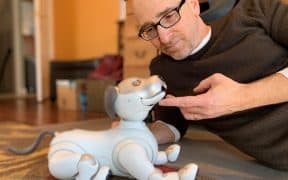
Robot pets respond to human emotions through a combination of advanced sensors, artificial intelligence, and adaptive learning, allowing them to detect and interpret facial expressions, vocal tones, and physical interactions. These technologies enable robot pets to exhibit lifelike behaviors that provide comfort, companionship, and emotional support to their human companions.
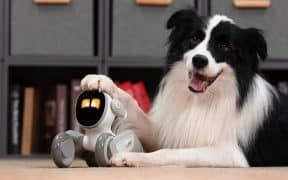
The comparison between real and robot pets reveals significant differences in emotional intimacy, support, and practical considerations. This exploration highlights how each type of pet offers unique benefits and challenges, shaping the future of companionship in diverse ways.
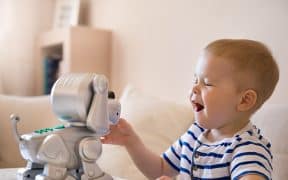
Attachment dynamics between children and robot pets involve the emotional bonds formed through interactive, lifelike, and personalized robotic companions. These relationships impact children's emotional support, social skills, and cognitive development, while also raising important ethical and developmental considerations.

The science behind bonding with robotic companions delves into the psychological, neurological, and technological factors that enable humans to form emotional connections with artificial beings. By exploring attachment theory, reward pathways, and design elements, this field reveals how and why we develop meaningful relationships with robot pets.

Our Social Media
Follow Us Follow Us Follow Us