

5 Humanoid Robots Set to Launch in 2026

Share
Table of Contents
Humanoid robots are no longer just experimental tech demos—they’re rapidly becoming functional tools designed for real-world use. In 2026, several next-generation robots are set to launch, each built with a clear purpose: to assist, support, and integrate into human environments.
From caregiving and hospitality to advanced mobility and even flight, these robots represent a major leap forward in how machines interact with people. Here are five humanoid robots expected to make an impact in 2026—and what makes each one worth watching.
1. Flying Humanoid Robot (Hybrid Mobility Concept)

The most attention-grabbing development is a humanoid robot designed with hybrid mobility—it can walk like a human and take to the air when needed.
Instead of being limited by terrain, this robot uses propulsion systems to lift itself, allowing it to navigate obstacles, reach elevated areas, or move quickly across difficult environments. The practical applications are significant, especially for search-and-rescue operations, industrial inspections, and emergency response.
What makes this concept stand out isn’t just the ability to fly, but how it expands the idea of what a humanoid robot can do. It removes one of the biggest limitations of traditional robots: movement constraints.
2. Caregiving Humanoid Assistant

With aging populations becoming a global challenge, one of the most practical humanoid robots launching in 2026 is focused on caregiving.
This robot is designed to assist with daily routines—helping individuals with mobility, reminders, and basic household tasks. Rather than replacing human caregivers, it acts as a support system, handling repetitive or physically demanding responsibilities.
The emphasis here is on safety and interaction. These robots are built to operate in close proximity to people, with softer designs, responsive sensors, and intuitive controls. The goal is to create something that feels helpful, not intrusive.
3. Home Companion Robot

Another major category is the home companion robot—essentially a humanoid assistant designed to function inside everyday living spaces. Unlike single-purpose devices like robot vacuums, this type of robot can perform multiple tasks. It can interact with appliances, carry objects, assist with cleaning, and adapt to different routines within the home.
Design plays a big role here. Developers are moving away from mechanical-looking machines toward softer, more approachable forms. This makes the robot feel like part of the home rather than a piece of equipment. In the long term, this could redefine what “smart homes” actually look like.
4. Hospitality and Service Robot

Humanoid robots are also being developed for service industries, particularly hospitality. These robots are designed to handle repetitive tasks such as delivering items, assisting guests, or supporting staff operations behind the scenes. In environments like hotels, where efficiency and consistency matter, this can significantly improve workflow.
What’s important is that these robots aren’t meant to replace staff—they’re meant to reduce workload. By taking over routine tasks, they allow human employees to focus on customer experience and more complex interactions.
5. Multi-Purpose Industrial Humanoid
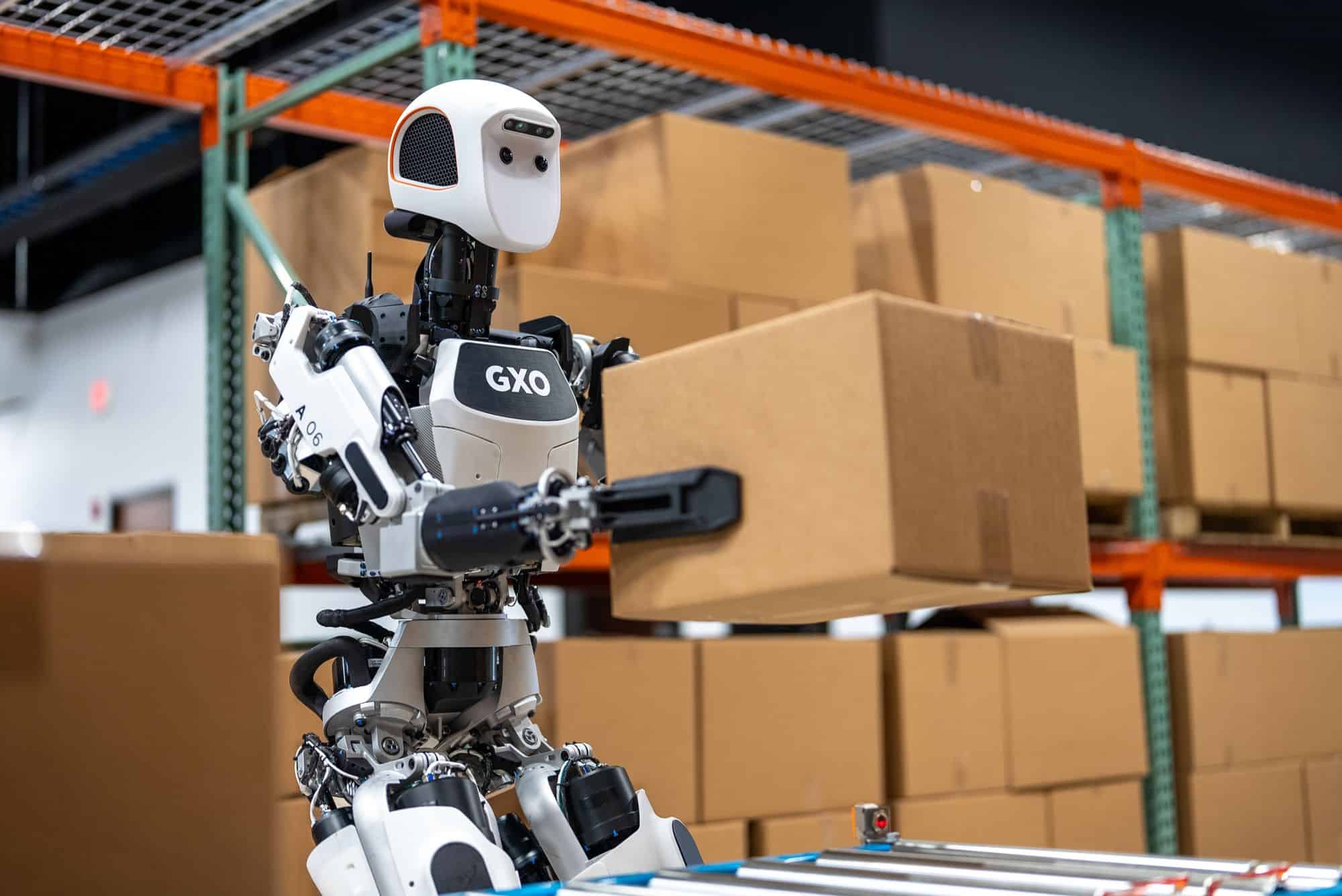
The final category is the industrial humanoid robot, designed for physically demanding environments like warehouses, factories, and logistics hubs. Unlike traditional industrial robots that are fixed in place, these humanoid versions can move freely, use tools, and adapt to different tasks. This flexibility makes them far more useful in dynamic environments where tasks change frequently.
They’re built for strength, endurance, and precision—capable of lifting, sorting, and assisting in workflows that would otherwise require significant manual labor.
Why These Robots Matter in 2026
What connects all five of these robots is a shift in purpose. Instead of being built purely for innovation, they are designed to solve real problems—labor shortages, efficiency challenges, and the growing demand for assistance in everyday life.
Advancements in AI, sensors, and materials are finally making it possible for humanoid robots to function outside controlled environments. They can now adapt, interact, and operate in spaces built for humans. That’s what makes 2026 such a critical year—it’s when humanoid robots begin transitioning from concept to practical reality.


Our Social Media
Follow Us Follow Us Follow Us