

6 Green Initiatives in Robot Pet Manufacturing

Share
Table of Contents
The rapid growth of the robot pet industry has introduced exciting innovations in companionship technology, but it has also raised important environmental questions. As manufacturers scale production, many companies are implementing green initiatives in robot pet manufacturing to reduce environmental impact, conserve resources, and improve sustainability across the supply chain.
From eco-friendly materials to energy-efficient production processes, sustainability is becoming a core focus in how modern robot pets are designed, manufactured, and distributed.
Sustainable Materials in Robot Pet Production
One of the most significant environmental improvements involves replacing traditional plastics with recycled or biodegradable materials. Many manufacturers are now using:
- Recycled plastics for external casings
- Plant-based polymers for non-structural components
- Recyclable aluminum frames
- Low-toxicity coatings and adhesives
These materials reduce landfill waste and decrease the overall carbon footprint of each device while maintaining durability and performance.
Energy-Efficient Manufacturing Processes
Production facilities are increasingly shifting toward energy-efficient manufacturing systems to reduce emissions. Key sustainability initiatives include:
- Solar-powered manufacturing plants
- Smart factory systems that optimize energy usage
- Low-energy robotics assembly lines
- Heat-recovery systems that reuse excess production heat
These improvements significantly lower electricity consumption and support global carbon-reduction goals without compromising product output.
Battery Sustainability and Charging Efficiency

Robot pets rely heavily on rechargeable batteries, making battery sustainability a major environmental priority. Companies are investing in:
- Longer-life lithium battery technology to reduce replacement frequency
- Modular battery designs that allow easy recycling
- Energy-efficient charging systems that minimize power waste
- Battery take-back programs to ensure responsible disposal
By extending battery lifespan and improving recycling processes, manufacturers help reduce electronic waste while improving product longevity for consumers.
Eco-Friendly Packaging and Logistics
Packaging is another area where green initiatives are making a measurable difference. Many robot pet manufacturers now use:
- Minimalist packaging designs to reduce material use
- Recycled cardboard packaging instead of plastic inserts
- Soy-based inks for printed materials
- Carbon-neutral shipping partnerships
Optimizing packaging and transportation helps reduce emissions associated with product distribution and supports broader sustainability goals.
Ethical Supply Chain Management
Sustainable manufacturing also depends on responsible sourcing. Leading companies are implementing supply-chain sustainability programs that ensure:
- Environmentally certified component suppliers
- Reduced water usage in parts manufacturing
- Conflict-free mineral sourcing
- Compliance with global environmental regulations
Transparent sourcing practices help consumers make more environmentally responsible purchasing decisions while encouraging industry-wide sustainability improvements.
Designing Robot Pets for Longevity and Repairability
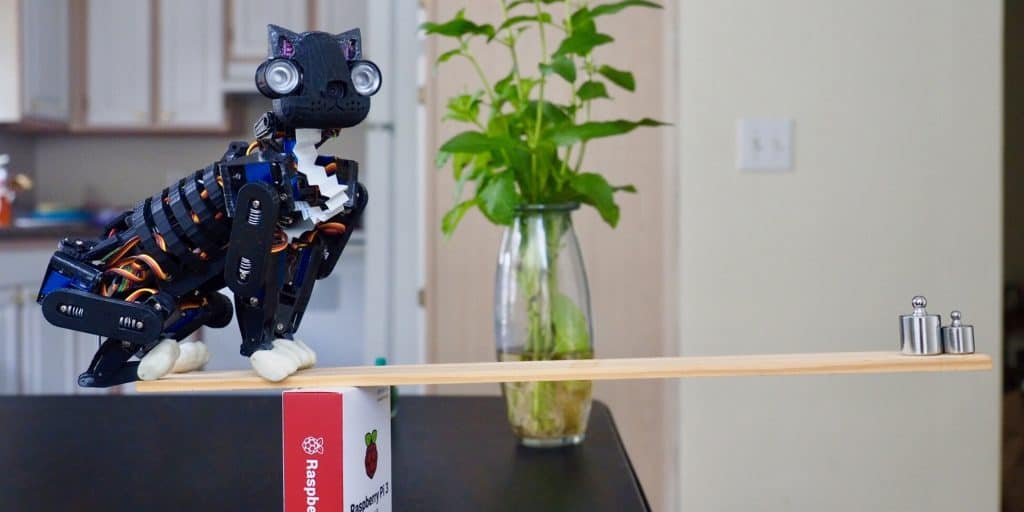
Another major sustainability strategy focuses on extending product lifespan. Manufacturers are increasingly designing robot pets with:
- Modular components that allow easy repairs
- Software updates that extend device functionality
- Replaceable external shells and accessories
- Long-term firmware support
Longer product lifecycles significantly reduce electronic waste while providing better long-term value for consumers.
The Future of Sustainable Robot Pet Manufacturing
As demand for interactive robotic companions continues to grow, sustainability will play an even larger role in manufacturing strategies. Emerging technologies such as biodegradable electronics, circular manufacturing systems, and AI-optimized production planning are expected to further reduce environmental impact.
Green initiatives in robot pet manufacturing demonstrate that innovation and environmental responsibility can progress together. Companies that invest in sustainable materials, efficient production methods, and responsible supply chains are not only protecting the environment but also shaping the future of ethical consumer robotics.



Our Social Media
Follow Us Follow Us Follow Us