
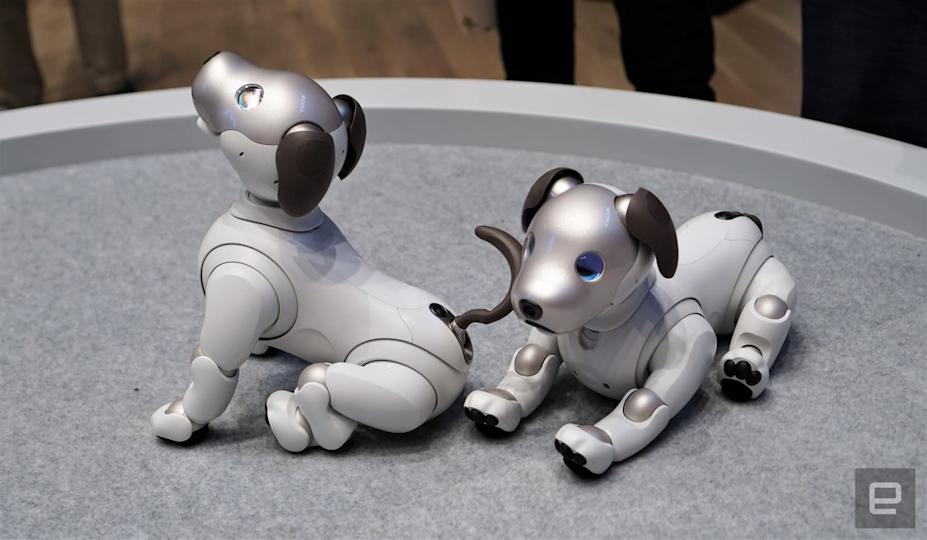
Robot Pet Adoption Incentives and Rebates to Take Advantage Of
Table of Contents
Robot pets aren’t just futuristic gadgets anymore — they’re becoming real household companions. From AI-powered dogs that fetch virtual sticks to therapeutic robot cats that purr on command, these mechanical buddies are growing fast in popularity. But what many people don’t realize is that you don’t always have to pay full price to adopt one.
Governments, schools, health providers, and even private companies are offering ways to make robot pets more affordable. If you’ve been wanting one for your home, classroom, or aging parent, here’s a guide to the incentives and rebates you should know about.
Why Robot Pets Come With Incentives
Robot pet technology has expanded beyond entertainment. These companions now support:
- Mental wellness
- Elder care
- STEM learning
- Sensory therapy
- Social development
- Loneliness reduction
Because they check boxes that governments and nonprofits care about, funding and rebate programs continue to grow.
Government Programs That May Help Cover Robot Pet Costs

Robot pets allow organizations to reach seniors, students, and individuals who can benefit from companionship. In some states and municipalities, this creates opportunities like:
State or City Aging Grants
Many local aging agencies have small grants allowing care centers — and occasionally individuals — to claim reimbursements for therapeutic robot pets.
Check:
- Department of Aging websites
- Senior center bulletin boards
- Local caregiving coalitions
Grants may apply to dementia patients, mobility-limited seniors, or those aging alone.
Assistive Technology Lending Libraries
Nearly every US state has an Assistive Technology (AT) program. Some now classify robot pets as assistive devices, meaning residents can borrow one for free — and sometimes qualify for a cost-share purchase later.
Search term to use: “[Your State] Assistive Technology Program.”
Medicaid Home- and Community-Based Waivers
Not universally listed, but a handful of states reimburse therapeutic robotic pets when recommended as part of a care plan. Requirements usually include:
- Physician or licensed therapist referral
- Documented need (social isolation, dementia, autism care, etc.)
School and Education Rebates
Robot pets are increasingly part of STEM and special education programs.
Special Education Inclusion Grants
Schools supporting students with autism, sensory challenges, or communication delays can receive funding for therapeutic tools — including robot pets.
PTA Mini-Grants
Parent groups often offer annual classroom grants. Robot pets may qualify under:
- Emotional support tools
- Classroom engagement technology
- Robotics/STEM curriculum
Educational Technology Discounts
Manufacturers may offer:
- School pricing tiers
- Bulk purchase rebates
- Pilot program access
If you’re a teacher, it’s worth asking.
Rebates for Healthcare and Wellness Use
Robot pets have been shown to reduce anxiety, improve mood, and encourage interaction — making them eligible for wellness funding in some settings.
Mental-Health Wellness Programs
Employee assistance programs (EAPs) occasionally reimburse emotional support technologies. This applies most often to:
- Healthcare workers
- Military families
- High-stress industries
Memory Care Funding
Assisted-living facilities and memory care communities may qualify for reimbursements or grants when using robot pets as non-medicinal therapy tools.
Manufacturer Discounts and Hidden Deals
Even if you can’t claim an official program, brand-specific discounts help cut the cost.
Look for:
- Preorder discounts on new models
- Trade-in credits when upgrading
- Seasonal promos (Black Friday-like savings)
- Referral bonuses
- Return-and-restock open-box pricing
- Subscription bundles if the model uses cloud AI updates
Pro tip: Some robotics companies quietly test new models with early adopters. Join mailing lists and research programs labeled “Beta,” “Pilot,” or “Early Access.”
Who Benefits the Most From Robot Pet Rebates?

Robot pet incentives are especially valuable for:
- Seniors living alone
- People with dementia or Alzheimer’s
- Parents with kids interested in STEM
- Individuals with allergies who can’t have real pets
- Schools introducing robotics education
- Therapists supporting neurodivergent individuals
- Families in “no pets allowed” apartments
If you check one of these boxes, rebates are absolutely worth exploring.
How to Maximize Your Savings
Here’s a quick roadmap to make sure you don’t leave free money behind:
- Identify your use case (home, senior care, school, therapy, etc.)
- Search local grant programs and AT programs
- Compare manufacturer and retailer promotions
- Speak with your school district, facility administrator, or therapist for access to funds
- Join brand newsletters for hidden incentives
- Don’t forget lending libraries — sometimes you can “test drive” first
The Bottom Line
Robot pets may still feel novel, but they’re no longer niche toys — they’re companions, teaching tools, and therapy supports with real-world benefits. With growing incentives and funding sources, owning one is more accessible than ever.
Whether you’re buying for a child who loves robotics or a grandparent who could use a comforting presence, start by checking your local programs. Saving a few hundred dollars (or more) just takes knowing where to look.

![The Role of AI in Enhancing Robot Pet Interactivity [Explained]](https://www.robotpetfriends.com/wp-content/uploads/2023/09/paro-tab-1-or-2-768x512.jpg)