The Economic Impact of Robot Pets on Pet Care Industries
Table of Contents
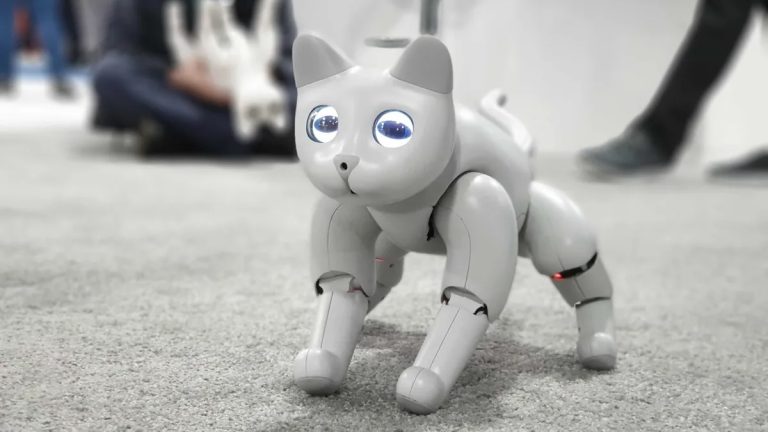
Robot pets were once seen as futuristic novelties, but they have quickly become a growing part of modern households. With advances in AI, sensors, mobility, and behavioral programming, robot pets now offer companionship without the responsibilities tied to traditional pet ownership. This shift has created new opportunities for tech manufacturers while challenging long-established segments of the pet care economy.
As more families, seniors, and apartment-dwellers explore robot pets as alternatives, the ripple effect on veterinary care, grooming services, pet supplies, and pet insurance becomes impossible to ignore. This article explores how robot pets are reshaping the pet care industry, what sectors benefit, which ones lose, and the long-term economic implications of this emerging trend.
Why Robot Pets Are Becoming More Popular
Robot pets are not replacing real animals entirely, but they fill a growing demand for companionship without common barriers such as allergies, housing restrictions, travel limitations, or the rising costs of traditional pet care.
Key reasons for adoption include:
- No medical or grooming expenses
- Low maintenance and long lifespan
- Apartment-friendly and landlord-approved
- Ideal for elderly owners or individuals with mobility limitations
- Helpful for therapy, autism support, and emotional wellness
- Often cheaper in the long run than living pets
This growing demand directly influences how the traditional pet care ecosystem evolves.
How Robot Pets Affect Traditional Pet Care Markets
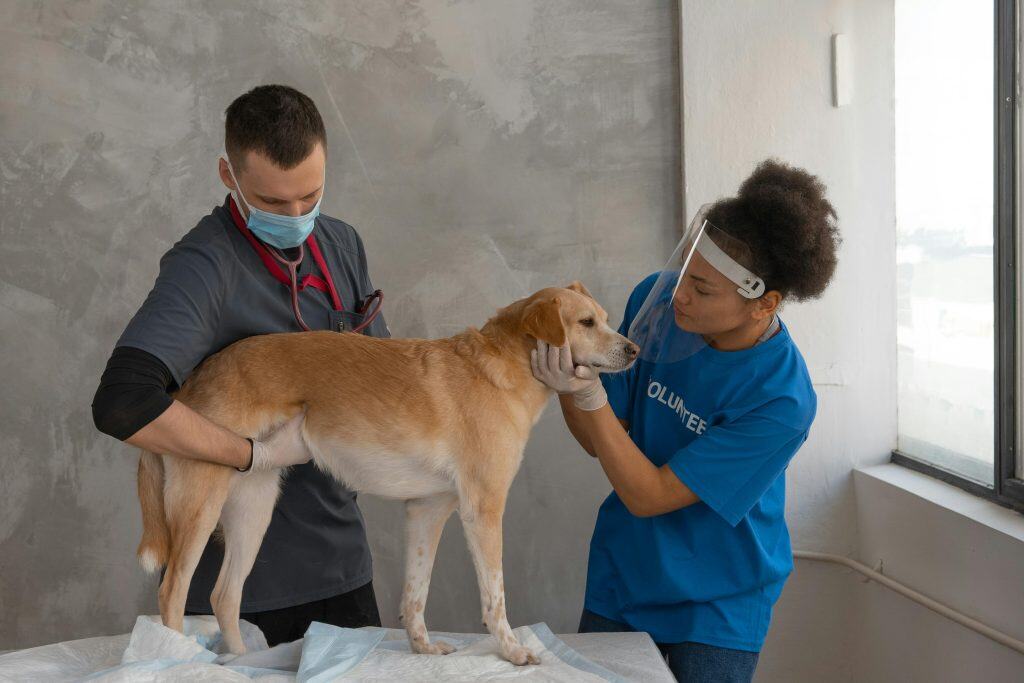
The economic effect of robot pets is not uniform. Some industries face reduced demand, while others find new revenue opportunities.
Impact on Veterinary Clinics and Pet Hospitals
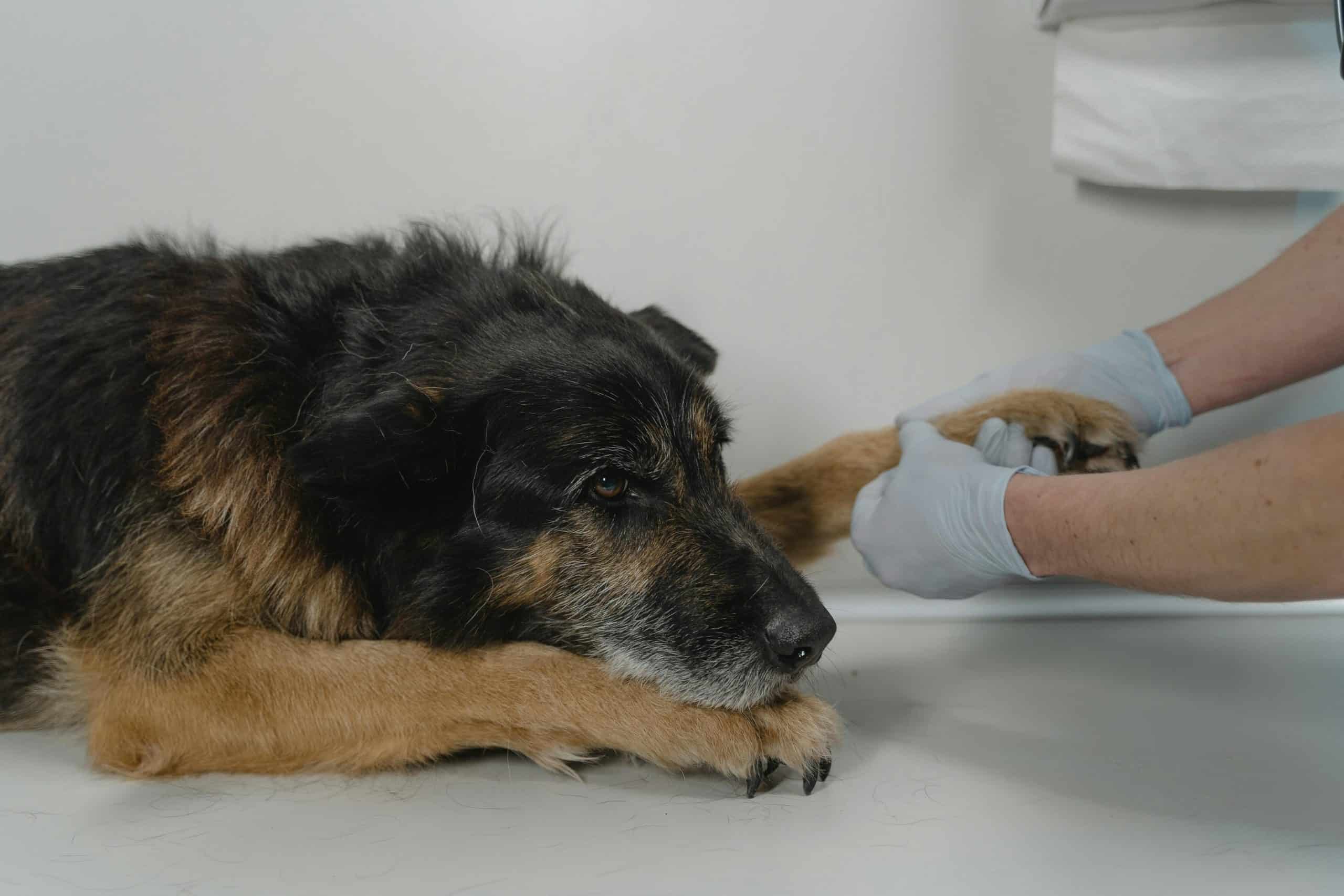
Veterinary clinics are among the most affected sectors. Robot pets require no vaccines, surgeries, dental cleanings, or emergency care, which slightly reduces the total number of new pet hospital clients.
However, the impact is gradual. Robot pet owners typically come from demographics least likely to adopt high-maintenance animals in the first place. This means robot pets replace potential owners who may not have visited vets anyway.
Long-term effects on veterinary economics include:
- Lower demand for routine checkups
- Reduced purchases of preventive medicine
- Decline in new-pet consultations
- Potential shift in services toward specialty care and higher-end treatments
Clinics that offer niche services, such as orthopedic surgery or advanced diagnostics, are expected to be the least affected, as robot pets primarily replace low-cost care categories.
Changes in Pet Grooming and Spa Services
Traditional pet grooming businesses may experience a noticeable decline if robot pets become more mainstream. This is because robot pets require only occasional cleaning or hardware maintenance, not haircuts, baths, or nail trims.
Economic impacts include:
- Reduced demand for standard grooming packages
- Decline in walk-in grooming services
- Lower product sales for shampoos, conditioners, and grooming tools
However, a new niche could emerge: cleaning, refurbishing, or aesthetic upgrades for robot pets. Some tech repair shops may even expand into “robot grooming” packages for sanitation, repainting, or cosmetic enhancements.
Effects on the Pet Supply and Accessory Market
Pet supply stores may see mixed results. Some items lose demand, while others shift toward robotic-compatible products. There might be a reduced demand for:
- Dog and cat food
- Treats and snacks
- Flea and tick medicine
- Litter and bedding
- Chew toys and scratching posts
But there will be potential increases in:
- Robot pet accessories (clothes, decals, stickers)
- Charging docks and replacement parts
- Cleaning wipes and safe-surface sprays
- Upgrades such as advanced sensors or software features
While food and consumable products decline, robot pet accessories create a new revenue stream for retailers.
Rise of a New Market: Robot Pet Manufacturing and Tech Services
Robot pets introduce an entirely new industry segment with its own economic footprint. Manufacturers, software developers, robotics engineers, and AI specialists benefit from increased demand.
Economic contributions include:
- Growth of robotics and AI design jobs
- Expansion of customer support and repair centers
- Sales of premium models with advanced features
- Subscription-based software updates
- Specialized robot pet insurance or warranty programs
Robot pets also appeal to tech-savvy consumers who value longevity and upgradeability, creating recurring revenue unlike traditional pets.
How Pet Insurance Industries Are Adapting
Traditional pet insurance companies may face fewer customers if robot pets reduce the number of real animals in households. However, this sector may pivot to new financial products, such as:
- Extended warranties for robot pets
- Insurance for accidental damage
- Coverage for hardware malfunctions
- Protection plans for AI and software issues
These offerings generate stable premiums and lower claim costs compared to medical insurance.
Economic Opportunities for Senior Care, Therapy, and Education
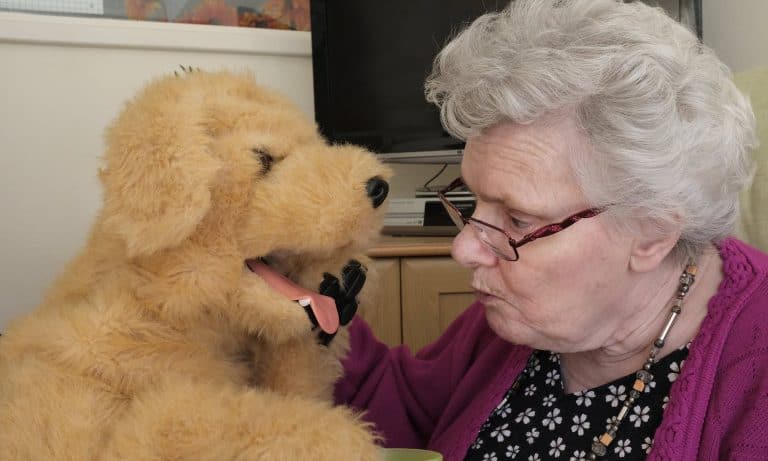
Robot pets are increasingly used in caregiving environments, especially in facilities that support seniors or individuals with autism.
The economic advantages include:
- Lower operating costs for care facilities
- Reduced need for therapy animals
- Increased demand for robot pet programs and training
- Higher adoption from schools and rehabilitation centers
Instead of reducing jobs, robot pets often enable support workers to focus more on human-centered roles, improving staff efficiency.
Do Robot Pets Reduce Real Pet Adoption?

This question comes up frequently. The answer is nuanced.
Robot pets mainly appeal to individuals who:
- Cannot afford traditional pet care
- Live in small spaces
- Have allergies
- Have mobility limitations
- Prefer predictable, low-maintenance companionship
These individuals typically would not adopt high-cost or high-care animals. So while robot pets may slightly affect pet adoption rates, the overall impact on rescues and shelters is modest.
Long-Term Economic Outlook for the Pet Care Industry
Robot pets are not a replacement for living animals, but they are reshaping the industry’s financial landscape. Over the next decade, the pet care economy will likely shift in these ways:
- More tech-driven products
- Growth in robot maintenance and AI upgrade services
- Stronger demand for high-end veterinary treatments
- Decline in basic grooming and low-cost veterinary visits
- Expansion of robot-friendly accessories and replacement parts
- Increased integration of robot pets in therapy and senior care
The pet care industry will continue to evolve, with traditional and robotic pet markets coexisting and influencing each other.
Final Thoughts: A New Era for Pet Care Economics
Robot pets introduce a unique blend of companionship and technology that changes how people think about care, spending, and long-term responsibility. While some traditional pet care sectors face reduced demand, new industries are rising to take their place. From advanced robotics manufacturing to AI-driven maintenance services, robot pets unlock new economic opportunities that reshape how companies serve both humans and their chosen companions.